
Amla (Embilica officinalis): Ayurveda’s Most Revered Rejuvenative
Amla, Embilica officinalis (also classified as Phyllanthus emblica), is one of the most celebrated herbs in the entire Ayurvedic tradition, and increasingly, one of the most compelling herbs in the Western evidence base. Known as Indian gooseberry or amalaki in Sanskrit, Amla occupies the very pinnacle of Ayurvedic medicine’s concept of rasayana, rejuvenative tonics that restore vitality, slow ageing, and rebuild the body from the deepest physiological level.
Its exceptional vitamin C content, one of the highest of any natural source, and protected by tannins that prevent the rapid oxidation that typically degrades ascorbic acid, is just the beginning of its extraordinary nutritional and clinical profile. At Herba Naturalle, Amla is valued as a cornerstone nutritive and immune-supporting herb, applicable across a wide range of chronic health states where cellular regeneration, antioxidant protection, and deep nutritional nourishment are required.
Botanical Identity
Amla is a deciduous tree native to tropical and subtropical India, growing to 8–18 metres. It produces small, round, yellowish-green fruits approximately 1–2cm in diameter. These fruits, pale green when fresh, with a distinctive sour, astringent, and slightly bitter taste, are the medicinal part. The fresh fruit is eaten in India as food, pickle, and medicine; for export and supplementation, the dried fruit or standardised extract is most commonly used.
In the Herba Naturalle herb index, Amla is listed alongside other Ayurvedic herbs including Bibhitaki (Terminalia bellirica) and Haritaki (Terminalia chebula), the three fruits that, combined, form the legendary Ayurvedic formula Triphala, one of the most widely used herbal preparations in the world.
Nutritional and Phytochemical Profile
Amla’s extraordinary therapeutic profile derives from a complex phytochemistry:
- Vitamin C (ascorbic acid): 600–900mg per 100g of fresh fruit, 20 times the concentration in oranges. Uniquely, Amla’s ascorbic acid is stabilised by the presence of tannins (emblicanin A and B), which slow oxidation and extend its biological activity
- Tannins: Emblicanin A, emblicanin B, punigluconin, pedunculagin, both antioxidant and stabilising for vitamin C
- Flavonoids: Quercetin, kaempferol, and rutin, powerful antioxidants and anti-inflammatory agents
- Alkaloids: Including phyllantine and phyllantidine
- Phenolic acids: Gallic acid and ellagic acid, with significant antioxidant and anti-tumour activity in research settings
- Minerals: Calcium, phosphorus, iron, carotene
- Polyphenols: Collectively providing one of the highest ORAC (oxygen radical absorbance capacity) values of any natural food
Clinical Actions and Applications
Immune support: Amla is one of the most powerful immune-supporting herbs in the materia medica. Its vitamin C content alone provides significant immune augmentation, but the polyphenol and alkaloid profile extends this far beyond simple ascorbic acid supplementation. Clinical studies show improvements in natural killer cell activity, macrophage function, and antibody production with regular Amla use.
Antioxidant and anti-ageing: The ORAC value of Amla exceeds that of most other fruits and berries, including blueberry and pomegranate. This exceptional antioxidant capacity makes Amla valuable in:
- Protecting cellular DNA from oxidative damage
- Reducing the lipid peroxidation associated with cardiovascular disease
- Supporting skin health and reducing the visible signs of ageing
- Reducing systemic inflammatory markers associated with chronic disease
Digestive support: Amla is a cooling, mildly laxative digestive herb, particularly suited to pitta-type (hot, acidic) digestive conditions in Ayurvedic terms. It reduces gastric acidity, soothes gastric inflammation, and supports regular bowel transit. As part of Triphala, it is used as one of the world’s most effective gentle bowel regulators. This aligns with the digestive focus at the heart of Herba Naturalle’s clinical approach, and makes Amla a natural companion to the Digestive Reset Bundle.
Liver support: Amla has documented hepatoprotective (liver-protecting) effects in multiple studies, reducing liver enzyme elevation caused by toxins and medications, and supporting the regenerative capacity of hepatocytes. It is used in traditional medicine for alcoholic liver disease, fatty liver, and as a general liver tonic.
Cardiovascular support: Research demonstrates that Amla reduces LDL cholesterol, triglycerides, and lipid oxidation while raising HDL cholesterol, a cardioprotective lipid profile. It also reduces CRP (C-reactive protein), a marker of systemic inflammation closely associated with cardiovascular risk. The Smooth Muscle and Immune Reset Bundle targets the arterial smooth muscle inflammation that drives cardiovascular risk, and Amla’s antioxidant protection of vascular tissue complements this approach.
Diabetes support: Amla reduces post-meal blood glucose rises, improves insulin sensitivity, and reduces glycated haemoglobin (HbA1c) in people with type 2 diabetes, through mechanisms involving both pancreatic insulin secretion and peripheral glucose uptake.
Hair and skin health: One of Amla’s most celebrated traditional uses, supported by clinical evidence, is its support for hair growth, reduction of premature greying, and improvement of scalp health. This is thought to reflect its high antioxidant content, its support for iron absorption (critical for hair growth), and its direct stimulation of hair follicle function.
Using Amla
- Powder: 1–3 teaspoons of Amla powder mixed into warm water, smoothies, or food daily. Traditionally mixed with honey or warm water with a little ginger.
- Juice: Fresh Amla juice (diluted) is the most traditional form; commercially available in many Indian and health food shops.
- Standardised extract (capsule/tablet): Typically standardised to tannin or polyphenol content; 500mg–2g daily depending on the indication.
- Tincture: Less common for Amla but available from specialist herbal suppliers.
Safety Profile
Amla is extremely safe and is consumed as a food in India in large quantities. Considerations include:
- Blood-thinning medications: High-dose Amla may have mild antiplatelet effects, use with caution alongside warfarin or aspirin
- Diabetes medication: May enhance blood-glucose-lowering effects, monitor blood sugar
- Pregnancy: Food amounts are safe; therapeutic doses best discussed with a practitioner
Amla Within the Herba Naturalle Philosophy
As one of 224 herbs in the Herba Naturalle herb index, Amla represents the rich cross-cultural depth of Anjela Jeganathan’s clinical approach, drawing on Ayurvedic, Western, and evidence-based traditions to create a truly comprehensive herbal medicine practice. Explore the Shatavari Complex and Gokshura Ashwagandha Plus for other Ayurvedic-rooted formulations, and contact Herba Naturalle to discuss a personalised approach. The full product shop is available online.
This article is for informational purposes only. Please consult a qualified practitioner before using herbal medicines medicinally.
Our Trending Products & Bundles
-
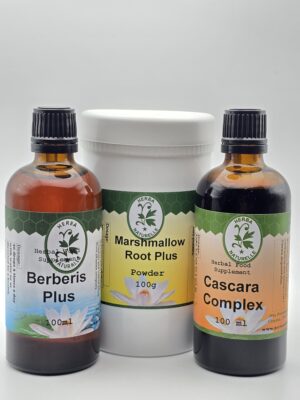 Digestive reset bundle
Original price was: £151.65.£144.95Current price is: £144.95.
Digestive reset bundle
Original price was: £151.65.£144.95Current price is: £144.95.
-
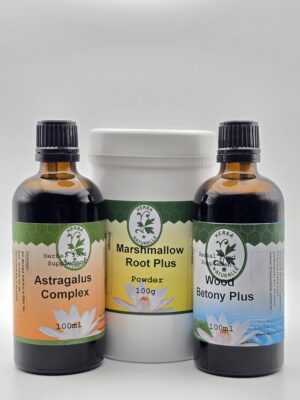 Smooth muscle and immune reset Bundle
Original price was: £177.60.£159.95Current price is: £159.95.
Smooth muscle and immune reset Bundle
Original price was: £177.60.£159.95Current price is: £159.95.
-
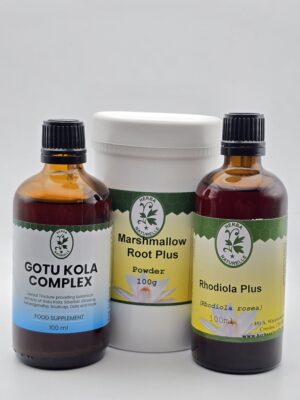 Nervous System Reset
Original price was: £163.68.£149.95Current price is: £149.95.
Nervous System Reset
Original price was: £163.68.£149.95Current price is: £149.95.
-
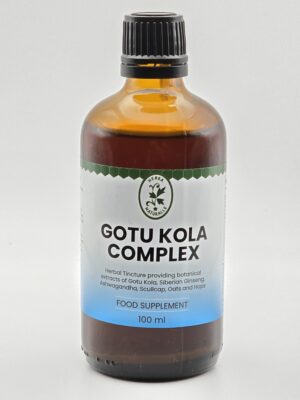 Gotu Kola Complex
£26.95
Gotu Kola Complex
£26.95