Men’s Mental Health Awareness Month: November in the UK Explained
November is Men’s Mental Health Awareness Month, a dedicated period of heightened public conversation, fundraising, and community action around the mental health challenges that disproportionately affect men. This article explains what the month involves, why it exists, and what genuinely useful action looks like.
What Is Men’s Mental Health Awareness Month?
Men’s Mental Health Awareness Month runs throughout November each year, coinciding with Men’s Health Awareness Month and the global Movember campaign. During this period, charities, healthcare organisations, workplaces, and individuals across the UK raise awareness of the specific mental health challenges facing men, and work to reduce the stigma that prevents so many men from seeking help.
The month culminates in International Men’s Day on 19th November, which serves as a focal point for media coverage and public campaigns specifically addressing men’s psychological wellbeing.
Why November?
The Movember Foundation, the charity behind the iconic moustache-growing campaign, chose November as its dedicated month partly as a deliberate play on the word (“Mo” for moustache + November), and partly to create a sustained period of conversation rather than a single awareness day. Since its launch in Australia in 2003, Movember has expanded to more than 20 countries and raised hundreds of millions of pounds for men’s health causes, including prostate cancer, testicular cancer, and mental health.
Key Statistics on Men’s Mental Health in the UK
Understanding why this month matters requires confronting some stark realities:
- Men account for approximately 75% of all suicide deaths in the UK
- Suicide is the number one cause of death for men aged 20–49 in England and Wales
- Only around 36% of referrals to NHS talking therapies are for men, despite men making up half the population
- Men are three times more likely than women to become alcohol dependent
- Men with mental health problems are less likely to have sought help from a friend, family member, or professional
These statistics do not reflect a natural biological difference in vulnerability, they reflect the intersection of cultural norms around masculinity, systemic gaps in how mental health services engage with men, and the patterns of help-seeking behaviour that those norms produce.
What Happens During November?
Across the UK, November brings:
Movember moustache growing, men register at uk.movember.com and grow a moustache throughout November, using the visual symbol to start conversations and raise funds.
Workplace mental health events, many UK employers use November to run mental health first aid training, lunchtime talks, and awareness campaigns for their male workforce.
Community events, men’s walking groups, social events, and peer support circles organised by charities such as Campaign Against Living Miserably (CALM), Movember, and Mind.
Social media campaigns, hashtags including #Movember, #MensHealthMonth, and #MentalHealthAwareness generate millions of conversations and shares throughout November.
Fundraising, individuals raise money through sponsored events, with funds going to men’s health and mental health charities.
How to Support Men’s Mental Health Beyond November
Awareness months are valuable catalysts, but lasting change requires year-round action:
Know the signs, men’s mental health distress often presents as irritability, withdrawal, aggression, increased alcohol use, or overworking rather than the classic sadness associated with depression.
Ask directly, research consistently shows that directly asking someone “are you okay?”, and genuinely waiting for the answer, makes a difference. Many men need explicit permission to talk.
Share resources without pressure, sending a relevant article, podcast, or charity link can open a door without forcing a conversation the person is not ready for.
Model vulnerability, men who are willing to talk about their own emotional lives create permission for others to do the same.
Support organisations doing this work, CALM, Movember UK, Men’s Health Forum, and Samaritans all provide resources that extend well beyond November.
The Physiological Dimension of Men’s Mental Health
Men’s mental health is not solely a social or psychological issue, it is deeply physiological. Chronic stress, poor gut health, hormonal imbalance, and systemic inflammation all affect mood, energy, motivation, and the capacity for emotional regulation. At Herba Naturalle, these physiological roots are addressed through a structured herbal protocol.
The Gotu Kola Complex, containing ashwagandha, Siberian ginseng, oats, scullcap, and hops, specifically supports adrenal balance and nervous system regulation. The Nervous System Reset Bundle provides a full three-month herbal programme for men experiencing chronic stress, fatigue, anxiety, or nervous system depletion.
Explore the full approach at About Herbal Medicine or contact the clinic for a personal consultation.
The Herba Naturalle 3-Step Bundle
The Herba Naturalle Bundle supports men’s health through three physiological layers:
Step 1, Restore Digestion: The Digestive Reset Bundle restores the gut function that underpins energy, hormonal balance, and mood regulation in men.
Step 2, Calm the Surface Nervous System: The Nervous System Reset directly addresses the chronic nervous system overdrive that underlies anxiety, irritability, and emotional depletion in men.Step 3, Heal the Smooth Muscle Lining: Systemic inflammation, in the gut wall, blood vessels, and reproductive organs, affects male hormonal health, energy, and mood. The Smooth Muscle and Immune Reset Bundle addresses this layer.
Our Trending Products & Bundles
-
 Digestive reset bundle
Original price was: £151.65.£144.95Current price is: £144.95.
Digestive reset bundle
Original price was: £151.65.£144.95Current price is: £144.95.
-
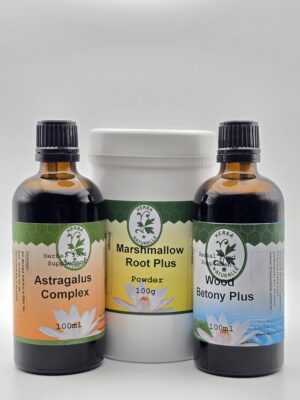 Smooth muscle and immune reset Bundle
Original price was: £177.60.£159.95Current price is: £159.95.
Smooth muscle and immune reset Bundle
Original price was: £177.60.£159.95Current price is: £159.95.
-
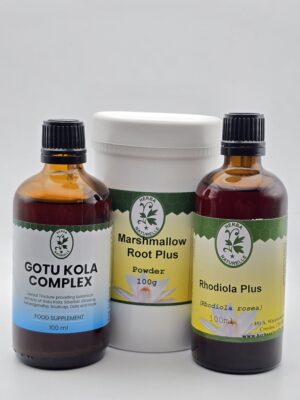 Nervous System Reset
Original price was: £163.68.£149.95Current price is: £149.95.
Nervous System Reset
Original price was: £163.68.£149.95Current price is: £149.95.
-
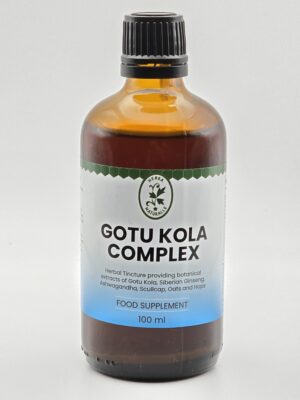 Gotu Kola Complex
£26.95
Gotu Kola Complex
£26.95