Sweet Wormwood (Artemisia annua): The Artemisinin Herb
Sweet Wormwood — Artemisia annua — holds one of the most extraordinary places in the history of herbal medicine and pharmaceutical pharmacology. Used in Chinese medicine for over 1,500 years as Qing Hao for fever and malaria-like illness, it became the subject of intensive research by the Chinese scientist Tu Youyou, who in 1972 isolated the sesquiterpene lactone artemisinin from the plant — a discovery that would ultimately win her the Nobel Prize in Physiology or Medicine in 2015. Artemisinin-based combination therapies (ACTs) derived from this herb are now the first-line treatment for malaria globally, saving hundreds of thousands of lives annually.
At Herba Naturalle, Sweet Wormwood is listed in the comprehensive herb index as a specialist antimicrobial and immune herb — a plant whose extraordinary pharmacological record reflects the best of the relationship between traditional herbal knowledge and modern scientific validation.
Active Compounds
- Artemisinin — the primary sesquiterpene lactone endoperoxide; unique antimalarial mechanism involving reactive oxygen species generation within the malaria parasite; antiparasitic, antiviral, anti-inflammatory, and emerging anti-cancer activity
- Arteannuin B — related sesquiterpene; contributing to the overall activity
- Flavonoids — artemetin, casticin, chrysoplenetin; with anti-inflammatory and antiviral properties
- Essential oil — camphor, artemisia ketone, 1,8-cineole; antimicrobial and aromatic
Clinical Applications
Malaria
The application that won the Nobel Prize. Artemisinin-based treatments are the most effective antimalarial medicines known. In herbal practice, A. annua leaf preparations are used as a preventive and early-stage malaria treatment in tropical regions, though pharmaceutical artemisinin derivatives remain the clinical standard for established malaria.
Anti-Cancer Research
Artemisinin and its derivatives (artesunate, artemether) have attracted intense oncological research interest — they selectively target cancer cells through the same reactive oxygen species mechanism that kills malaria parasites (cancer cells contain high free iron, which activates artemisinin’s cytotoxic mechanism). Multiple laboratory and early clinical studies show promising results across numerous cancer types. A specialist application requiring oncological supervision.
Antiparasitic
Beyond malaria, artemisinin has activity against other parasites including Leishmania, Schistosoma, and intestinal parasites.
Antiviral
Artemisia annua flavonoids and artemisinin have demonstrated antiviral activity against several viruses in laboratory settings.
Anti-Inflammatory
The flavonoid content provides meaningful anti-inflammatory action — relevant in chronic inflammatory conditions.
Relevant Blog Posts
- Welcome to the Final Episode of the Inflammation Pandemic Series
- Stop the Inflammation Pandemic – The Lymphatic System
- Inflammation in Muscles and Joints: The Hidden Link to Autoimmunity
- Healing the Heart: Understanding and Reversing Inflammation in the Cardiovascular System
- Stop the Inflammation Pandemic: Breathe Easy – Inflammation in the Nose, Sinuses, and Lungs
Safety
- Malaria: Never self-treat malaria — seek immediate medical attention; pharmaceutical artemisinin combinations are the clinical standard
- Anti-cancer use: Only under qualified oncological supervision — do not use as a cancer treatment without specialist guidance
- Pregnancy: Contraindicated — artemisinin has documented embryotoxic effects
- Artemisia family allergy: Cross-reactivity with other Artemisia species
Contact Herba Naturalle for immune and anti-inflammatory herbal support. Browse all products and the full herb index.
This article is for informational purposes only. Please consult a qualified medical herbalist and physician before use.
Our Trending Products & Bundles
-
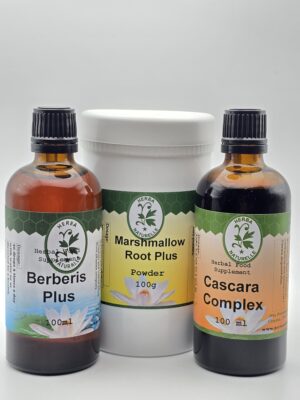 Digestive reset bundle
Original price was: £151.65.£144.95Current price is: £144.95.
Digestive reset bundle
Original price was: £151.65.£144.95Current price is: £144.95.
-
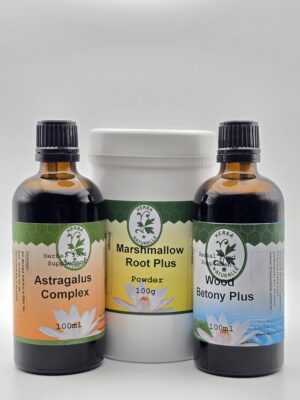 Smooth muscle and immune reset Bundle
Original price was: £177.60.£159.95Current price is: £159.95.
Smooth muscle and immune reset Bundle
Original price was: £177.60.£159.95Current price is: £159.95.
-
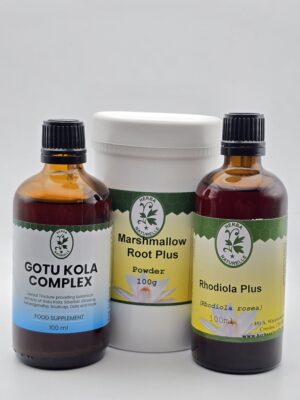 Nervous System Reset
Original price was: £163.68.£149.95Current price is: £149.95.
Nervous System Reset
Original price was: £163.68.£149.95Current price is: £149.95.
-
 Gotu Kola Complex
£26.95
Gotu Kola Complex
£26.95

About the Author

Holistic Herbalist in UK · 30 Years of Excellence at Croydon, GB
Angela Jegnathan brings over 30 years of experience in integrated medicine and more than 25 years of full-time clinical herbal practice. Specializing in holistic herbal medicine, she focuses on restoring digestive health, calming the nervous system, and supporting the body's natural inflammatory response through evidence-based, patient-centered care.
Expertise: Holistic Herbs, Natural Medicines, Herbal Health
30 years of experience
