Sweet Violet Leaf (Viola odorata): The Fragrant Healer
Sweet Violet, Viola odorata, is one of the most beloved spring flowers in Britain, its intensely fragrant, deep purple-blue blossoms appearing in woodlands, hedgerows, and garden borders in late winter and early spring. The leaves and flowers have been used medicinally since antiquity, in ancient Greece and Rome, in Arabic medicine, and across the European herbal tradition, as a gentle, cooling, demulcent herb for respiratory conditions, skin complaints, and lymphatic support.
At Herba Naturalle, Sweet Violet Leaf is listed in the comprehensive herb index as a gentle respiratory and lymphatic herb, complementary to the Lungwort Plus for respiratory support and the Schizandra Complex for lymphatic health.
Active Compounds
- Mucilage: soothing and demulcent to respiratory and digestive mucosa
- Saponins (violin and related compounds): expectorant action on the respiratory mucosa
- Flavonoids: quercetin, rutin; anti-inflammatory and antioxidant
- Salicylates: mild anti-inflammatory and analgesic
- Alkaloids (odoratine): in the root and seeds; minor contribution
Clinical Applications
Respiratory Catarrh and Coughs
The primary traditional application. Sweet Violet’s mucilage soothes irritated bronchial and upper respiratory mucosa; the saponins gently loosen and promote expectoration of mucus; the flavonoids reduce mucosal inflammation. Used for:
- Dry, irritating coughs, the soothing mucilage is immediately effective
- Chronic catarrh with excess mucus, gentle expectorant action
- Sore throat and laryngitis, cooling and soothing Complementary to the Lungwort Plus and Elderflower Complex.
Lymphatic Support
Sweet Violet is one of the traditional Western lymphatic herbs, used for swollen lymph glands and the chronic lymphatic congestion that contributes to skin conditions and immune dysfunction. Relevant to Stop the Inflammation Pandemic – The Lymphatic System.
Skin Conditions
The cooling, anti-inflammatory, and mild lymphatic-stimulating properties make Sweet Violet useful in eczema, psoriasis, and chronic urticaria — used both internally and as a topical wash or compress.
Headache
Traditional use for headache, the salicylate content and the mild anti-inflammatory action provide some headache relief; the floral aromatics (in fresh preparations) are calming.
Relevant Blog Posts
- Stop the Inflammation Pandemic: Breathe Easy – Inflammation in the Nose, Sinuses, and Lungs
- Stop the Inflammation Pandemic – The Lymphatic System
- Stop the Inflammation Pandemic: The Digestive System (Part 1)
- Inflammation in Muscles and Joints: The Hidden Link to Autoimmunity
- Welcome to the Final Episode of the Inflammation Pandemic Series
How to Use
- Tea: 2–4g fresh or dried leaf steeped 10 minutes; 2–3 cups daily
- Fresh leaf/flower: Can be eaten directly as a food (salad garnish), the flowers and young leaves are edible
- Tincture (1:3): 2–4ml three times daily
- Topical: Cooled strong infusion used as a wash or compress for skin conditions
Safety
- Extremely safe, the leaves and flowers are edible foods
- Violet root and seeds: Contain higher concentrations of alkaloids, stick to leaves and flowers
- Pregnancy: Generally considered safe at food amounts and standard herbal doses
Contact Herba Naturalle for respiratory and lymphatic herbal support. Browse all products and the full herb index.
This article is for informational purposes only. Please consult a qualified medical herbalist before us
Our Trending Products & Bundles
-
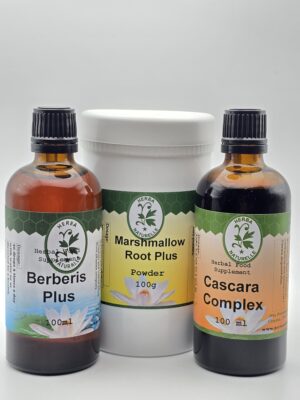 Digestive reset bundle
Original price was: £151.65.£144.95Current price is: £144.95.
Digestive reset bundle
Original price was: £151.65.£144.95Current price is: £144.95.
-
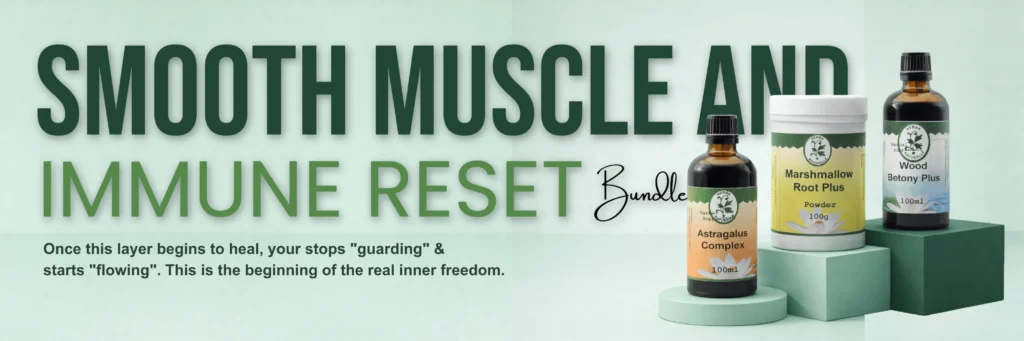
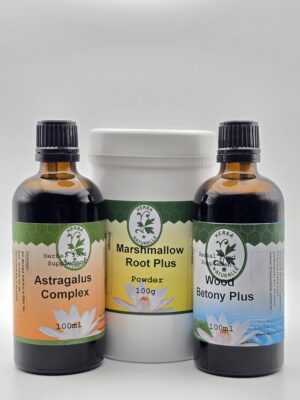 Smooth muscle and immune reset Bundle
Original price was: £177.60.£159.95Current price is: £159.95.
Smooth muscle and immune reset Bundle
Original price was: £177.60.£159.95Current price is: £159.95.
-
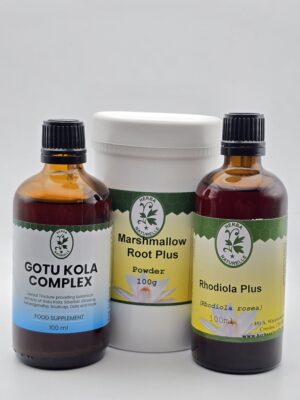 Nervous System Reset
Original price was: £163.68.£149.95Current price is: £149.95.
Nervous System Reset
Original price was: £163.68.£149.95Current price is: £149.95.
-
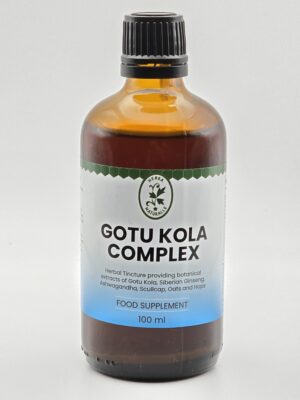 Gotu Kola Complex
£26.95
Gotu Kola Complex
£26.95

About the Author

Holistic Herbalist in UK · 30 Years of Excellence at Croydon, GB
Angela Jegnathan brings over 30 years of experience in integrated medicine and more than 25 years of full-time clinical herbal practice. Specializing in holistic herbal medicine, she focuses on restoring digestive health, calming the nervous system, and supporting the body's natural inflammatory response through evidence-based, patient-centered care.
Expertise: Holistic Herbs, Natural Medicines, Herbal Health
30 years of experience
