Tansy Herb (Tanacetum vulgare): The Traditional Bitter Wormer
Tansy — Tanacetum vulgare — is a familiar British garden and hedgerow plant with deeply cut, bright green, fern-like leaves and clusters of bright yellow button-like flowers that appear in summer. One of the most pungently aromatic plants in the British countryside, Tansy has a long history in European folk and monastic medicine as a bitter digestive tonic, antiparasitic herb, and emmenagogue. The distinctive, camphoraceous bitterness that characterises the plant reflects a volatile oil rich in thujone — the same compound found in Wormwood and Mugwort, and the same compound that gives the plant both its therapeutic activity and its most important safety consideration.
At Herba Naturalle, Tansy is listed in the comprehensive herb index primarily for the completeness of the herbal materia medica record. The safety profile requires careful consideration before any therapeutic use.
Active Compounds
- Volatile oil (thujone dominant) — alpha and beta-thujone; monoterpene ketones responsible for the antiparasitic, antispasmodic, and uterotonic activity, and also for the neurotoxic potential at high doses
- Sesquiterpene lactones — parthenolide (shared with Feverfew); bitter and anti-inflammatory
- Flavonoids — quercetin and related compounds; anti-inflammatory
- Tannins — mild astringent
Traditional Applications (Historical Context)
- Intestinal parasites: Thujone’s antiparasitic action against intestinal worms was the primary historical application — though safer antiparasitic herbs now exist
- Digestive bitter tonic: The sesquiterpene lactone bitterness stimulates digestive secretions
- Emmenagogue: Used historically to promote menstruation — an application that shares the contraindication with other uterotonic herbs
Relevant Blog Posts
- Stop the Inflammation Pandemic: The Digestive System (Part 1)
- Stop the Inflammation Pandemic: Inflammation in the Female Reproductive System
- Stop the Inflammation Pandemic – The Lymphatic System
- Welcome to the Final Episode of the Inflammation Pandemic Series
- Inflammation in Muscles and Joints: The Hidden Link to Autoimmunity
Safety — Critical Information
- Pregnancy: Absolutely contraindicated — the uterotonic thujone content can cause miscarriage
- Neurotoxicity: High doses of thujone cause seizures, hallucinations, and neurotoxicity — do not exceed very low doses; the therapeutic margin is narrow
- Essential oil: Absolutely not for internal use — highly concentrated thujone is extremely toxic
- Professional guidance required for any therapeutic internal use
- Safer alternatives: For digestive bitters, use Gentian, Centaury, or Dandelion; for antiparasitic action, use Neem or Black Walnut; for menstrual support, use Raspberry Leaf or Cramp Bark
Contact Herba Naturalle for safe herbal alternatives. Browse all products and the full herb index.
This article is for educational purposes only. Tansy Herb should only be used under direct qualified professional supervision.
Our Trending Products & Bundles
-
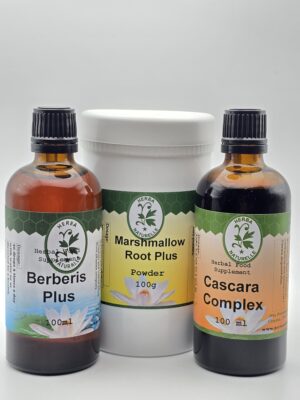 Digestive reset bundle
Original price was: £151.65.£144.95Current price is: £144.95.
Digestive reset bundle
Original price was: £151.65.£144.95Current price is: £144.95.
-
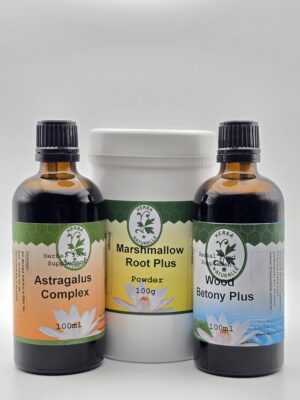 Smooth muscle and immune reset Bundle
Original price was: £177.60.£159.95Current price is: £159.95.
Smooth muscle and immune reset Bundle
Original price was: £177.60.£159.95Current price is: £159.95.
-
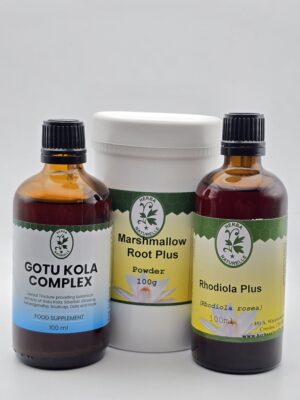 Nervous System Reset
Original price was: £163.68.£149.95Current price is: £149.95.
Nervous System Reset
Original price was: £163.68.£149.95Current price is: £149.95.
-
 Gotu Kola Complex
£26.95
Gotu Kola Complex
£26.95

About the Author

Holistic Herbalist in UK · 30 Years of Excellence at Croydon, GB
Angela Jegnathan brings over 30 years of experience in integrated medicine and more than 25 years of full-time clinical herbal practice. Specializing in holistic herbal medicine, she focuses on restoring digestive health, calming the nervous system, and supporting the body's natural inflammatory response through evidence-based, patient-centered care.
Expertise: Holistic Herbs, Natural Medicines, Herbal Health
30 years of experience
