
Best Probiotics for Travelling: Protecting Your Gut on the Move
Travelling, particularly to countries with different food cultures, water quality, and bacterial environments, is one of the most common triggers of gut disruption. Traveller’s diarrhoea affects up to 40–60% of visitors to certain regions of the world. A well-chosen probiotic, started before departure and maintained throughout travel, can significantly reduce this risk. This guide explains which probiotics are most effective for travel, how to use them, and what else you can do to protect your gut on the move.
Why Does Travel Disrupt Gut Health?
Several factors combine to challenge the gut microbiome when travelling:
Dietary changes, new foods, unfamiliar ingredients, different cooking fats, and changes in fibre intake all shift the composition of the gut microbiome rapidly.
Water quality changes, even in countries where tap water is technically safe, different mineral profiles and microbiological content can disrupt gut balance. In lower-income regions, contaminated water is a primary source of traveller’s diarrhoea pathogens.
Airborne pathogen exposure, airports, aircraft, and crowded tourist environments increase exposure to pathogens including norovirus, E. coli, Salmonella, and Campylobacter.
Time zone disruption, circadian rhythm disruption affects gut motility and microbiome composition, increasing susceptibility to digestive upset.
Stress, travel, even enjoyable travel, is physiologically stressful. Stress impairs gut barrier function and alters the gut-immune relationship, making the microbiome more vulnerable to disruption.
Antibiotic use, traveller’s diarrhoea sometimes requires antibiotic treatment; this invariably disrupts the microbiome and requires deliberate restoration.
The Best Probiotic Strains for Travel
Saccharomyces boulardii, this yeast-based probiotic is the single most evidence-supported strain for traveller’s diarrhoea prevention and treatment. Unlike bacterial probiotics, S. boulardii is naturally antibiotic-resistant (because it is a yeast, not a bacterium), making it the only probiotic that can be taken alongside antibiotic treatment without being destroyed. Multiple systematic reviews confirm its efficacy in reducing the incidence and duration of traveller’s diarrhoea.
Lactobacillus rhamnosus GG (LGG), one of the most extensively studied probiotic strains globally, with strong evidence for reducing the duration of acute diarrhoea and preventing antibiotic-associated gut disruption.
Lactobacillus acidophilus, supports gut lining integrity and immune function at the gut mucosa; useful alongside S. boulardii as a broader gut health support.
Bifidobacterium longum, supports bowel regularity and helps maintain a stable gut environment during dietary changes.
For travel specifically, a product combining Saccharomyces boulardii with Lactobacillus rhamnosus GG provides the strongest combination of prevention and treatment capacity.
When to Start Taking Probiotics Before Travel
Start your travel probiotic at least 5–7 days before departure, ideally 2 weeks before for long-haul travel to high-risk regions. This allows the probiotic strains to establish a presence in the gut before the challenge of dietary change and pathogen exposure begins.
Continue throughout the trip, and for at least 1–2 weeks after returning home to support microbiome restoration.
Storing Probiotics Whilst Travelling
This is a practical challenge that many people overlook. Most bacterial probiotic supplements require refrigeration to maintain viability, which makes travel complicated.
Heat-stable probiotics are available from several UK suppliers and are formulated to remain viable at room temperature. These are specifically designed for travel. Check the label for room-temperature stability guarantees.
Saccharomyces boulardii is naturally more stable than most bacterial strains at room temperature, making it the most travel-friendly option.
Avoid leaving probiotics in direct sunlight or very hot environments (such as a car boot in summer heat) even for heat-stable products.
Additional Gut Health Strategies for Travel
Food hygiene, the classic travel advice (“boil it, cook it, peel it, or forget it”) remains evidence-based for high-risk destinations.
Hydration, stick to bottled or purified water; avoid ice in drinks in regions with uncertain water quality.
Fermented foods, if you can access reliable, well-made fermented foods (yoghurt, kefir, kimchi, miso) at your destination, these provide ongoing microbiome support.
Digestive enzymes, taking a broad-spectrum digestive enzyme supplement with unfamiliar meals helps break down foods your microbiome has not adapted to, reducing the fermentation and gas that comes from undigested food.
Avoid excessive alcohol, alcohol disrupts gut barrier function and impairs the immune response at the gut mucosa.
A Herbal Approach to Travel Gut Health
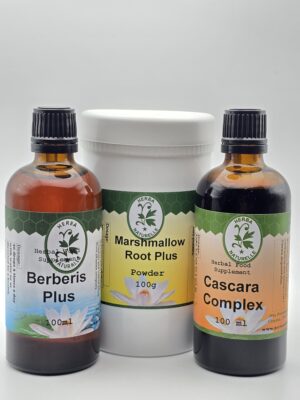
At Herba Naturalle, preparing the digestive system for travel involves strengthening the gut lining and digestive capacity before departure. The Berberis Plus, containing berberine-rich barberry alongside fennel and gentian, provides gentle antimicrobial support and stimulates digestive secretions that protect against pathogen colonisation. The Marshmallow Root Plus soothes and strengthens the gut lining, improving its resilience against dietary change and pathogen challenge.
Browse the full product range or contact the clinic to discuss pre-travel gut preparation.
The Herba Naturalle 3-Step Bundle
The Herba Naturalle Bundle creates the digestive resilience that protects gut health during travel:
Step 1, Restore Digestion: The Digestive Reset Bundle strengthens the digestive fire and gut lining, creating a robust base from which to travel.
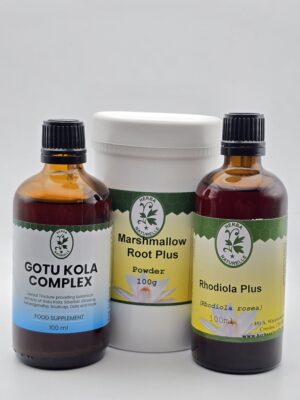
Step 2, Calm the Surface Nervous System: Travel stress impairs gut barrier function. The Nervous System Reset reduces the nervous system’s impact on gut resilience.
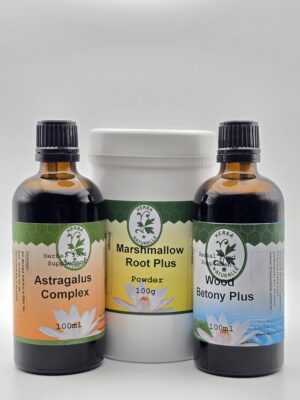
Step 3, Heal the Smooth Muscle Lining: A strong smooth muscle lining is the first line of defence against dietary disruption and pathogen challenge whilst travelling.
This article is for informational purposes only. For personalised travel health advice and vaccinations, consult a travel health clinic or your GP before departure.
Our Trending Products & Bundles
-
 Digestive reset bundle
Original price was: £151.65.£144.95Current price is: £144.95.
Digestive reset bundle
Original price was: £151.65.£144.95Current price is: £144.95.
-
 Smooth muscle and immune reset Bundle
Original price was: £177.60.£159.95Current price is: £159.95.
Smooth muscle and immune reset Bundle
Original price was: £177.60.£159.95Current price is: £159.95.
-
 Nervous System Reset
Original price was: £163.68.£149.95Current price is: £149.95.
Nervous System Reset
Original price was: £163.68.£149.95Current price is: £149.95.
-
 Gotu Kola Complex
£26.95
Gotu Kola Complex
£26.95


About the Author

Holistic Herbalist in UK · 30 Years of Excellence at Croydon, GB
Angela Jegnathan brings over 30 years of experience in integrated medicine and more than 25 years of full-time clinical herbal practice. Specializing in holistic herbal medicine, she focuses on restoring digestive health, calming the nervous system, and supporting the body's natural inflammatory response through evidence-based, patient-centered care.
Expertise: Holistic Herbs, Natural Medicines, Herbal Health
30 years of experience
