Rue Herb (Ruta graveolens): The Traditional Specialist Herb
Rue — Ruta graveolens — is a strongly aromatic, blue-grey subshrub of Mediterranean origin, one of the most ancient medicinal plants of the classical world. Mentioned by Hippocrates, Dioscorides, and Pliny, and carried through European monastery and cottage medicine traditions into the modern materia medica, Rue carries a complex and potent pharmacological profile that has made it simultaneously one of the most historically important and most carefully used herbs in Western herbal practice.
At Herba Naturalle, Rue is listed in the comprehensive herb index for completeness of the materia medica, with the explicit recognition that this is a herb requiring qualified professional assessment — its potency, narrow therapeutic window, and serious contraindications placing it firmly in the category of specialist clinical herbs.
Active Compounds
- Furanocoumarins (psoralen, bergapten, xanthotoxin) — the most clinically significant compounds for safety — intensely photosensitising; topical exposure followed by sunlight can cause severe blistering burns
- Quinolizidine alkaloids (rutin — a flavonoid, not the alkaloid) — confusingly, Rue is the original source of the flavonoid rutin; anti-inflammatory and capillary-strengthening
- Acridine alkaloids (skimmianine, arborinine) — with antimicrobial, antispasmodic, and uterotonic activity
- Volatile oil — undecanone (methyl nonyl ketone); with antispasmodic and antimicrobial properties
Historical and Traditional Applications (Context)
Rue has been used historically for:
- Emmenagogue and abortifacient: The most well-known and most dangerous historical use — the alkaloids have strong uterotonic activity; has caused deaths when used for this purpose
- Eye health: Hierba de la gracia (herb of grace) — used to bathe tired, strained eyes; modern use is not recommended due to the phototoxic furocoumarin content
- Rheumatic pain: Topical anti-inflammatory applications — now superseded by safer herbs
Safer Modern Applications
The one clinically retained application in modern qualified herbal practice is the use of isolated rutin (the flavonoid — not the whole herb) for capillary fragility, varicose veins, and chronic venous insufficiency — but rutin is now available from safer sources (Buckwheat, Rue-free), making whole Rue use unnecessary for this application.
Relevant Blog Posts
- Healing the Heart: Understanding and Reversing Inflammation in the Cardiovascular System
- Stop the Inflammation Pandemic: Inflammation in the Female Reproductive System
- Stop the Inflammation Pandemic – The Lymphatic System
- Welcome to the Final Episode of the Inflammation Pandemic Series
- Inflammation in Muscles and Joints: The Hidden Link to Autoimmunity
Safety — Critical Warning
- Pregnancy: Absolutely contraindicated — the alkaloids cause uterine contractions and can be fatal at doses used in attempted abortions
- Topical contact: Furanocoumarins cause phytophotodermatitis — severe blistering burns when skin comes into contact with the plant or its preparations, followed by sun exposure
- Internal use: Requires qualified professional assessment and monitoring
- Children: Contraindicated
- Liver and kidney disease: Avoid
For genuinely safe herbal alternatives, contact Herba Naturalle. Browse all products and the full herb index.
This article is for educational purposes only. Rue Herb should only be used under the direct supervision of a qualified medical herbalist, and is absolutely contraindicated in pregnancy.
Our Trending Products & Bundles
-
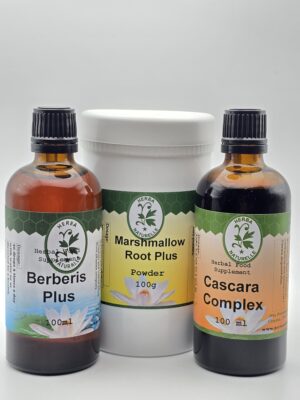 Digestive reset bundle
Original price was: £151.65.£144.95Current price is: £144.95.
Digestive reset bundle
Original price was: £151.65.£144.95Current price is: £144.95.
-
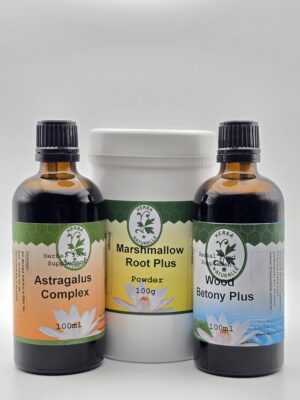 Smooth muscle and immune reset Bundle
Original price was: £177.60.£159.95Current price is: £159.95.
Smooth muscle and immune reset Bundle
Original price was: £177.60.£159.95Current price is: £159.95.
-
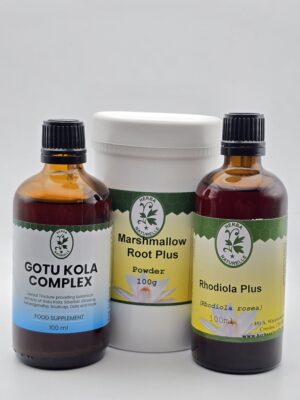 Nervous System Reset
Original price was: £163.68.£149.95Current price is: £149.95.
Nervous System Reset
Original price was: £163.68.£149.95Current price is: £149.95.
-
 Gotu Kola Complex
£26.95
Gotu Kola Complex
£26.95

About the Author

Holistic Herbalist in UK · 30 Years of Excellence at Croydon, GB
Angela Jegnathan brings over 30 years of experience in integrated medicine and more than 25 years of full-time clinical herbal practice. Specializing in holistic herbal medicine, she focuses on restoring digestive health, calming the nervous system, and supporting the body's natural inflammatory response through evidence-based, patient-centered care.
Expertise: Holistic Herbs, Natural Medicines, Herbal Health
30 years of experience
