Lovage Root (Levisticum officinale): The Forgotten Digestive and Urinary Herb
Lovage — Levisticum officinale — is one of the great forgotten herbs of the British and European culinary and medicinal traditions. A tall, celery-scented perennial that once featured in every English kitchen garden and monastery herb bed, it has largely disappeared from modern culinary awareness while its medicinal uses remain as relevant as ever. The root, which concentrates the most therapeutically active phytochemicals, carries a profile of digestive, urinary, and respiratory applications that positions Lovage alongside more celebrated herbs like Fennel, Celery Seed, and Parsley in the aromatic Apiaceae family medicine tradition.
At Herba Naturalle, Lovage Root is listed in the comprehensive herb index as an aromatic digestive and urinary herb.
Active Compounds
- Volatile oil (0.6–1%) — phthalides (3-n-butylphthalide, ligustilide, butylidenephthalide); the primary active compounds — the same phthalides found in Angelica and Celery; carminative, antispasmodic, diuretic, and antimicrobial
- Coumarin glycosides — bergapten and psoralen; anti-inflammatory and mild photosensitising
- Flavonoids — quercetin and kaempferol; anti-inflammatory and antioxidant
- Resin and gum — contributing to the overall warming and stimulating properties
Clinical Applications
Digestive Support
The phthalide-rich volatile oil provides powerful carminative (gas-relieving) and antispasmodic action on the intestinal smooth muscle — making Lovage Root one of the most effective aromatic digestives in the European herbal tradition. Used for flatulence, bloating, colic, and the sluggish dyspepsia of cold, insufficiently stimulated digestion. Complementary to the Berberis Plus and Digestive Reset Bundle.
Urinary Tract
As a mild diuretic and urinary antiseptic (the phthalides are excreted in urine, delivering antimicrobial activity), Lovage Root provides gentle urinary support for mild UTIs and as a preventive diuretic. Complementary to the Cornsilk Plus.
Expectorant
The phthalide volatile oil stimulates bronchial mucus secretion — providing mild expectorant action relevant in coughs with difficult-to-clear mucus.
Relevant Blog Posts
- Stop the Inflammation Pandemic: The Digestive System (Part 1)
- Stop the Inflammation Pandemic: Digestive System (Part 2)
- Stop the Inflammation Pandemic: Breathe Easy – Inflammation in the Nose, Sinuses, and Lungs
- Stop the Inflammation Pandemic – The Lymphatic System
- Welcome to the Final Episode of the Inflammation Pandemic Series
Safety
- Pregnancy: Contraindicated — the phthalides have significant uterotonic activity; a primary contraindicated herb in pregnancy
- Kidney disease: The diuretic/antiseptic volatile oil may irritate inflamed kidneys
- Photosensitivity: The coumarin content may increase UV sensitivity
- Apiaceae allergy: Cross-reactivity with fennel, celery, carrot
Contact Herba Naturalle for digestive and urinary herbal support. Browse all products and the full herb index.
This article is for informational purposes only. Please consult a qualified medical herbalist before use.
Our Trending Products & Bundles
-
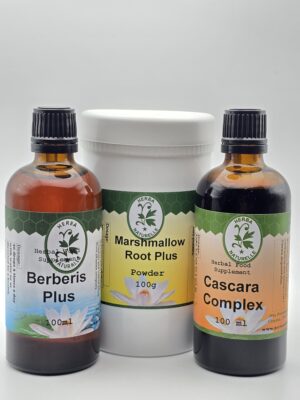 Digestive reset bundle
Original price was: £151.65.£144.95Current price is: £144.95.
Digestive reset bundle
Original price was: £151.65.£144.95Current price is: £144.95.
-
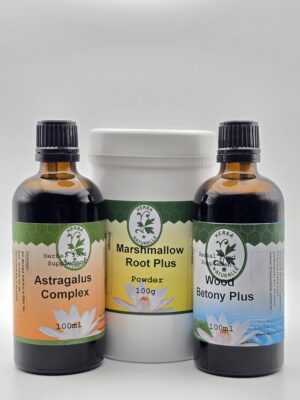 Smooth muscle and immune reset Bundle
Original price was: £177.60.£159.95Current price is: £159.95.
Smooth muscle and immune reset Bundle
Original price was: £177.60.£159.95Current price is: £159.95.
-
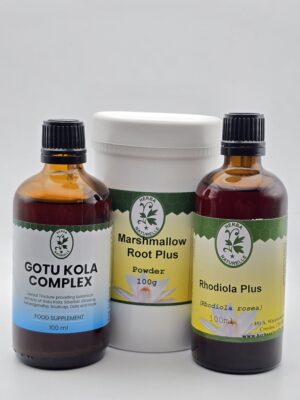 Nervous System Reset
Original price was: £163.68.£149.95Current price is: £149.95.
Nervous System Reset
Original price was: £163.68.£149.95Current price is: £149.95.
-
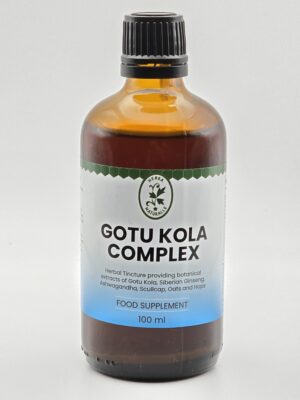 Gotu Kola Complex
£26.95
Gotu Kola Complex
£26.95