Asthma Weed (Tylophora asthmatica): Ayurvedic Respiratory Support
Asthma Weed — Tylophora asthmatica (also correctly designated Tylophora indica) — is a climbing vine native to India with a centuries-long history of use in Ayurvedic medicine for respiratory conditions. Known in Sanskrit as antamul, it was traditionally used by Ayurvedic physicians specifically for conditions characterised by bronchospasm, wheezing, and difficult breathing — the conditions that in modern medicine are grouped under asthma, bronchitis, and allergic respiratory disease.
At Herba Naturalle, Asthma Weed is catalogued in the comprehensive herb index as a herb with a specific traditional application in respiratory smooth muscle health — reflecting Anjela Jeganathan’s clinical framework, which understands respiratory conditions as fundamentally rooted in inflammation of the smooth muscle lining of the airways.
Botanical Identity
Tylophora asthmatica is a twining climber of the Asclepiadaceae family, native to peninsular India and Sri Lanka. It produces small, pale-purplish flowers and oval, pointed leaves. The leaves are the primary medicinal part in Ayurvedic use, though the whole plant has been used in traditional preparations. The plant is not widely cultivated outside South Asia and is primarily accessed in the West through imported dried preparations or as a tincture from specialist herbal suppliers.
Active Compounds
The alkaloid content is the primary basis of Asthma Weed’s pharmacological activity. Principal alkaloids include:
- Tylophorine — the most studied alkaloid; demonstrates significant anti-inflammatory, anti-allergic, and immunomodulatory effects in research settings
- Tylophorinine and tylophorinidine — related alkaloids with similar biological activity
- Squalene — a triterpene with anti-inflammatory properties
- Flavonoids — contributing antioxidant and anti-inflammatory effects
Tylophorine has been shown in laboratory studies to inhibit NF-κB — the master inflammatory transcription factor — reduce histamine release from mast cells, and reduce eosinophilic inflammation. These are precisely the mechanisms relevant to allergic asthma and bronchitis.
Traditional and Clinical Applications
Asthma: The most established traditional application. Clinical trials conducted in India — including one published in the Journal of Ethnopharmacology — found significant improvements in respiratory function (FEV1, FVC) and symptom reduction in asthma patients given Tylophora preparations compared to placebo. While the evidence base is smaller than that of mainstream pharmaceuticals, it is among the better-documented traditional respiratory herbs.
Bronchitis: Asthma Weed has been used traditionally for acute and chronic bronchitis, where the anti-inflammatory and bronchodilatory properties help reduce airway inflammation and ease breathing.
Allergic rhinitis: The anti-histaminic and mast-cell-stabilising properties of tylophorine are relevant to hay fever and allergic nasal conditions — conditions also supported by the Elderflower Complex from Herba Naturalle.
Important Clinical Context
Asthma Weed occupies an important place in the herbal materia medica but requires careful clinical use:
- It is a potent alkaloid-containing herb — this is not a gentle nutritive
- Doses need careful titration
- Its use should be guided by a qualified herbalist, particularly in people with established respiratory diagnoses on pharmaceutical bronchodilators or corticosteroids
- The Lungwort Plus from Herba Naturalle provides complementary lower respiratory mucosal support
The Smooth Muscle Lining Framework
The clinical philosophy at Herba Naturalle understands asthma and chronic bronchitis as conditions rooted in smooth muscle inflammation of the airways. The smooth muscle of the bronchi — when chronically inflamed — becomes hyperreactive, constricting excessively in response to triggers that a healthy airway would tolerate without difficulty. Asthma Weed’s anti-inflammatory and bronchodilatory actions work at precisely this layer, making it compatible with the broader Smooth Muscle and Immune Reset Bundle approach.
Safety and Contraindications
- Nausea and vomiting: Commonly reported at higher doses — the most significant side effect
- Pregnancy and breastfeeding: Contraindicated
- Children: Not recommended without specialist guidance
- Pharmaceutical respiratory medications: Use only under professional supervision alongside inhalers, corticosteroids, or bronchodilators
For personalised advice on respiratory herbal support, contact Herba Naturalle. Explore the full product range for respiratory and immune formulations.
This article is for informational purposes only. Asthma is a serious medical condition — never replace prescribed medication without consulting your GP.
Our Trending Products & Bundles
-
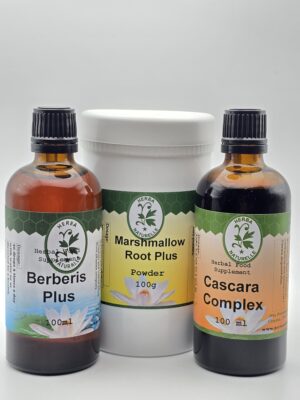 Digestive reset bundle
Original price was: £151.65.£144.95Current price is: £144.95.
Digestive reset bundle
Original price was: £151.65.£144.95Current price is: £144.95.
-
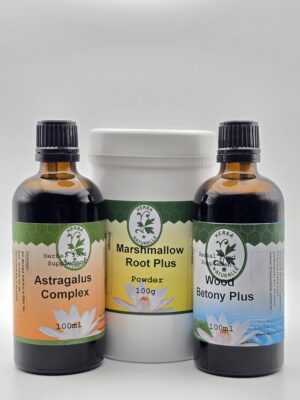 Smooth muscle and immune reset Bundle
Original price was: £177.60.£159.95Current price is: £159.95.
Smooth muscle and immune reset Bundle
Original price was: £177.60.£159.95Current price is: £159.95.
-
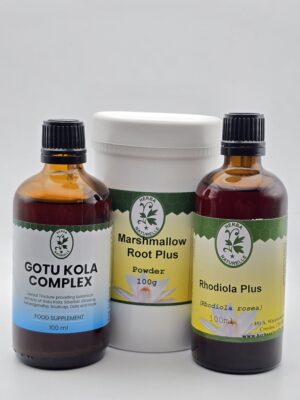 Nervous System Reset
Original price was: £163.68.£149.95Current price is: £149.95.
Nervous System Reset
Original price was: £163.68.£149.95Current price is: £149.95.
-
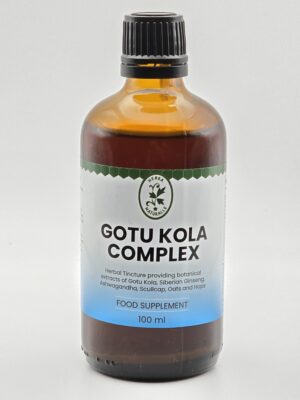 Gotu Kola Complex
£26.95
Gotu Kola Complex
£26.95