
Angelica Root (Angelica archangelica): The Angel’s Herb
Angelica Root, Angelica archangelica, is one of the most majestic herbs in the Western herbal tradition. Its very name reflects its historical reputation: “archangelica” because it was believed to bloom on the feast day of the Archangel Michael, and because of the almost miraculous range of conditions for which it was historically prescribed. In medieval Europe it was considered a panacea — a remedy for plague, poison, digestive ailments, respiratory infections, and the “falling sickness.”
Modern clinical herbal medicine has refined this broad historical application to focus on Angelica Root’s genuine strengths: a warming, aromatic, carminative (gas-relieving) and antispasmodic herb with significant affinity for the digestive and respiratory systems, and a useful role in supporting circulation and warming cold, sluggish constitutions.
At Herba Naturalle, Angelica Root represents the warming, stimulating pole of the digestive herbal materia medica — used when the digestive system needs activating rather than soothing, and when cold, sluggishness, and lack of digestive fire characterise the presentation.
Botanical Identity
Angelica archangelica is a biennial or short-lived perennial of the Apiaceae (carrot/parsley) family, growing to an impressive 1–2.5 metres. It is native to Northern and Eastern Europe — from Scandinavia across to Russia — where it thrives in damp, rich soils along riverbanks and in mountain meadows. Its hollow, ridged stems, large compound leaves, and globular white-green flower umbels are distinctive. All parts of the plant are aromatic, but the root is the primary medicinal part — harvested in autumn of the first year or early spring of the second, before flowering.
The plant features in the comprehensive Herba Naturalle herb index alongside other great aromatic digestive herbs including Fennel Seed (Foeniculum vulgare), Caraway Seed (Carum carvi), and Calamus (Acorus calamus).
Key Active Compounds
Angelica Root’s distinctive aroma and therapeutic character come from a complex volatile oil containing over 70 identified components — principally alpha-pinene, limonene, myrcene, phellandrene, and beta-bisabolene. The root also contains:
- Furanocoumarins (including bergapten, xanthotoxin, and psoralen) — responsible for some of the anti-inflammatory and immunomodulatory activity, but also photosensitising (important safety consideration)
- Phthalides — antispasmodic compounds shared with related plants like celery and lovage
- Tannins — contributing a mild astringent action
- Resin and bitters — supporting the digestive tonic activity
- Ferulic acid — with antioxidant and circulatory-supportive properties
Clinical Actions
Carminative: Angelica Root is one of the most effective carminative herbs — its volatile oil compounds relax intestinal smooth muscle spasm and facilitate the release of accumulated gas throughout the digestive system.
Digestive tonic: The bitter components of Angelica Root stimulate digestive secretions including stomach acid and bile, improving the efficiency and completeness of digestion. This addresses the “cold” digestive pattern — sluggish secretions, lack of appetite, bloating, and slow transit.
Antispasmodic: Phthalide compounds relax smooth muscle throughout the body, reducing intestinal colic, stomach cramps, and bronchial spasm. This antispasmodic action makes Angelica relevant to both digestive and respiratory spasm.
Expectorant: Angelica Root loosens and promotes the expulsion of mucus from the respiratory tract — one of its primary historical uses for coughs, bronchitis, and chronic respiratory catarrh.
Circulatory stimulant: The warming volatile oils stimulate peripheral circulation, making Angelica useful in cold hands and feet, poor circulation, and the “cold” presentation of Raynaud’s syndrome.
Diaphoretic: At higher doses, Angelica increases perspiration, a mechanism traditionally used in febrile illnesses to support the body’s natural fever process.
Primary Applications
Digestive system: Angelica Root is a classic herb for indigestion characterised by flatulence, bloating, nausea, and a feeling of fullness — particularly when this is associated with cold, inadequate digestive secretion rather than heat and acidity. The Berberis Plus at Herba Naturalle provides complementary digestive bitter and bile-stimulating activity, and the Digestive Reset Bundle addresses the deeper digestive foundations.
Bronchitis and respiratory conditions: For coughs with difficult, sticky mucus — particularly in cold, damp conditions or in constitutionally cold individuals — Angelica Root’s warming, expectorant action helps mobilise and expel mucus. The Lungwort Plus provides complementary respiratory mucosal support.
Intestinal colic: Acute intestinal spasm and colic — with cramping pain, gas, and distension — responds well to the antispasmodic action of Angelica Root, either alone or in combination with other carminatives.
Anorexia and poor appetite: As a warming bitter and digestive stimulant, Angelica is traditionally used to restore appetite and digestive desire.
Cold hands and feet/poor peripheral circulation: The warming circulatory action is useful in constitutionally cold individuals with poor peripheral circulation.
How to Use Angelica Root
- Tincture (1:3): 1–3ml three times daily in a little warm water before meals
- Decoction: 1–2 teaspoons of dried root simmered for 10–15 minutes in 300ml water; drink one cup before meals
- Culinary: Young stems and leaves can be candied or used in cooking — the classic Angelica of European confectionery
Safety — Important Considerations
Angelica Root requires care due to the furanocoumarin content:
- Photosensitivity: Topical application, handling fresh plant, or high-dose oral use may increase photosensitivity — avoid strong sunlight after use
- Pregnancy: Contraindicated — the uterine-stimulating activity of volatile oils makes it unsuitable
- Blood-thinning medications: Ferulic acid and furanocoumarins may enhance anticoagulant effects
- Diabetes: May lower blood glucose — monitor if on hypoglycaemic medication
- Inflammatory conditions with heat/acidity: As a warming herb, Angelica Root is contraindicated in presentations characterised by heat, acidity, or inflammatory heat
Angelica Root in the Herba Naturalle Context
Angelica Root exemplifies the importance of understanding each herb’s energetic and physiological character — not just its chemical composition — as emphasised in the about herbal medicine section of Herba Naturalle. The right herb for the right person and the right presentation is the essence of clinical herbal practice. Browse the full herb index to explore further, contact Herba Naturalle for a personalised consultation, and explore the complete product range for clinically developed formulations.
This article is for informational purposes only. Please consult a qualified medical herbalist or your GP before using Angelica Root.
Our Trending Products & Bundles
-
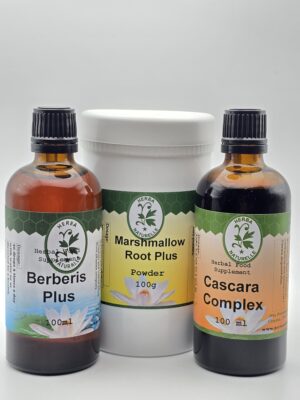 Digestive reset bundle
Original price was: £151.65.£144.95Current price is: £144.95.
Digestive reset bundle
Original price was: £151.65.£144.95Current price is: £144.95.
-
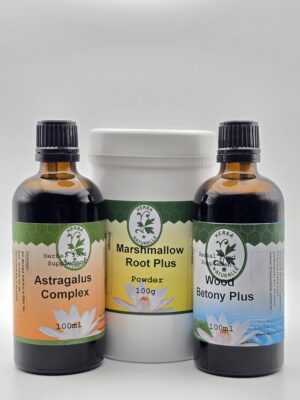 Smooth muscle and immune reset Bundle
Original price was: £177.60.£159.95Current price is: £159.95.
Smooth muscle and immune reset Bundle
Original price was: £177.60.£159.95Current price is: £159.95.
-
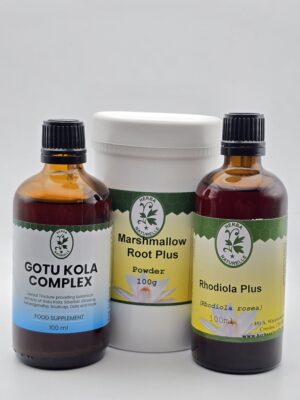 Nervous System Reset
Original price was: £163.68.£149.95Current price is: £149.95.
Nervous System Reset
Original price was: £163.68.£149.95Current price is: £149.95.
-
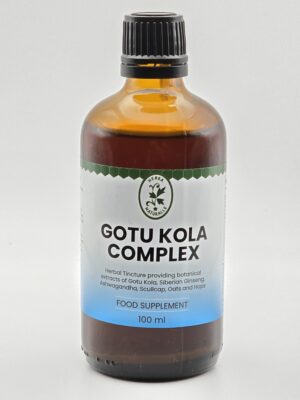 Gotu Kola Complex
£26.95
Gotu Kola Complex
£26.95