

Aromatherapy Oils for Sleep: The Best Choices and How to Use Them Effectively
Aromatherapy, the therapeutic use of plant-derived essential oils, has been used for centuries as a tool for relaxation and sleep support. In recent years, it has also attracted growing scientific interest, with several studies exploring the mechanisms by which inhaled aromatic compounds affect the nervous system. This guide covers the most effective aromatherapy oils for sleep, how each one works, how to use them safely, and what complementary approaches can help address sleep problems at a deeper level.
How Do Aromatherapy Oils Support Sleep?
Essential oils interact with the body primarily through two pathways:
- Olfactory pathway, inhaled aromatic molecules travel to the olfactory bulb, which connects directly to the limbic system (the brain’s emotional and memory centre), influencing mood, stress response, and autonomic nervous system activity
- Topical absorption, when diluted and applied to skin, some aromatic compounds are absorbed and may have local or systemic effects
The key mechanism for sleep support appears to be the effect on the autonomic nervous system, specifically, the shift from sympathetic (fight-or-flight) to parasympathetic (rest-and-digest) dominance that is necessary for sleep onset.

The Best Aromatherapy Oils for Sleep
Lavender (Lavandula angustifolia)
Lavender is the most researched essential oil for sleep. Multiple clinical studies have found that lavender inhalation reduces anxiety, lowers heart rate and blood pressure, and improves sleep quality. The active compounds linalool and linalyl acetate are thought to inhibit certain neurotransmitter receptors in a similar manner to mild sedatives, without the dependency risks.
Roman Chamomile (Anthemis nobilis)
Roman chamomile essential oil has a sweet, apple-like scent and is known for its calming effect on the nervous system. It is particularly useful for those whose sleep is disturbed by anxiety or emotional agitation.
Vetiver (Chrysopogon zizanioides)
Vetiver has an earthy, smoky scent that is deeply grounding. It is often described as one of the most sedating essential oils and is particularly useful for those who feel mentally overactive at bedtime. It blends well with lavender.
Bergamot (Citrus bergamia)
Unlike most citrus oils (which are energising), bergamot has a calming, anxiety-reducing effect. It contains linalool (also found in lavender) and has been shown in studies to reduce stress-related cortisol responses. Choose a bergapten-free version to avoid photosensitivity reactions if applying to skin.
Cedarwood (Cedrus atlantica)
Cedarwood oil contains cedrol, a compound studied for its sedative effect on the autonomic nervous system. It is gentle, woody, and particularly well-suited for those who need help quieting a busy mind at night.
Sandalwood (Santalum album)
Sandalwood has a warm, calming scent that supports mental quiet and reduces agitation. It has a traditional association with meditation and sleep preparation.
Frankincense (Boswellia sacra)
Frankincense slows and deepens breathing, which itself promotes parasympathetic nervous system dominance. It is particularly effective for those who use it alongside a brief breathing or relaxation practice before sleep.

How to Use Aromatherapy Oils for Sleep
Diffusion
Using an ultrasonic diffuser in the bedroom for 30 to 60 minutes before sleep is one of the most effective methods. Add 3 to 5 drops of essential oil per 100ml of water. Do not run the diffuser all night, intermittent use avoids olfactory fatigue.
Pillow Spray
A simple pillow spray can be made by combining 2 to 3 drops of essential oil with 100ml of water and a small amount of alcohol to help disperse the oil. Shake before use and spray lightly onto pillowcase.
Topical Application
Always dilute essential oils in a carrier oil (such as coconut, jojoba, or sweet almond) before skin application, typically 2 to 3 drops per teaspoon of carrier oil. Suitable application points include temples, wrists, chest, and the soles of the feet.
Bath
Adding 5 to 10 drops of essential oil (pre-dispersed in a tablespoon of carrier oil or full-fat milk) to a warm bath about an hour before bed combines the aromatic and physical relaxation benefits.
Safety Considerations
- Never ingest essential oils unless under professional guidance
- Always dilute before applying to skin, neat application can cause irritation
- Avoid around young children and pets without checking safety first
- Citrus oils such as bergamot can cause photosensitivity, do not apply to skin before sun exposure
- During pregnancy, seek professional guidance before using any essential oils
Addressing the Root Causes of Poor Sleep
Aromatherapy can meaningfully support sleep quality, but for those with persistent insomnia or chronically disrupted sleep, the root causes often go deeper, particularly an overactivated nervous system that cannot transition from alertness to rest.
The nervous system reset bundle from Herba Naturalle addresses this underlying issue through a three-month herbal protocol. By calming the surface nervous system, the layer responsible for inner restlessness and the ‘wired but tired’ feeling, the protocol supports the body’s ability to transition into genuine rest and repair.
The Gotu Kola Complex in particular is known for its grounding effect on peripheral nervous system agitation, directly relevant to those whose sleep problems stem from a mind that will not quieten at night.

Support Your Body Naturally With Herba Naturalle
If any of the topics in this article resonate with you, the Herba Naturalle Bundle page offers a structured, three-step herbal protocol designed to address chronic illness at the root. The approach, developed over 30 years of clinical practice by Anjela Jeganathan, works across three healing layers:
- Step 1, Digestive Reset: Restore digestive rhythm, nutrient absorption, and healthy elimination
- Step 2, Surface Nervous System Reset: Calm inner restlessness, reduce stress reactivity, and settle the mind
- Step 3, Smooth Muscle & Immune Lining Healing: Reduce chronic inflammation in the tissue lining surrounding organs, blood vessels, and immune pathways
Explore the full protocol at the Herba Naturalle Bundle page and find the starting point that matches your body’s needs.
Have Questions? Get in Touch
If you would like personalised guidance or have questions about herbal support for your health, you are welcome to contact Anjela directly. She offers consultations tailored to your individual health needs.
Our Trending Products & Bundles
-
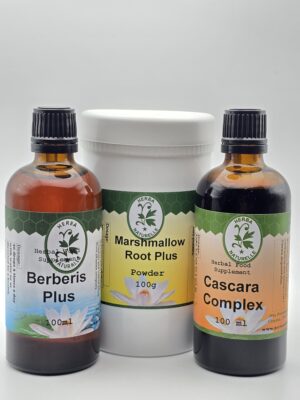 Digestive reset bundle
Original price was: £151.65.£144.95Current price is: £144.95.
Digestive reset bundle
Original price was: £151.65.£144.95Current price is: £144.95.
-
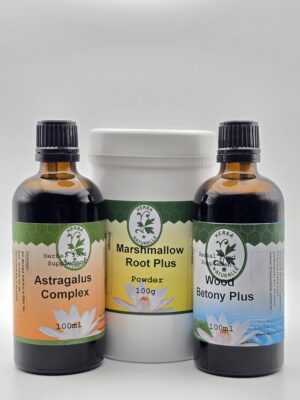 Smooth muscle and immune reset Bundle
Original price was: £177.60.£159.95Current price is: £159.95.
Smooth muscle and immune reset Bundle
Original price was: £177.60.£159.95Current price is: £159.95.
-
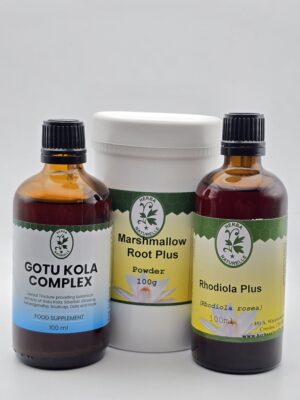 Nervous System Reset
Original price was: £163.68.£149.95Current price is: £149.95.
Nervous System Reset
Original price was: £163.68.£149.95Current price is: £149.95.
-
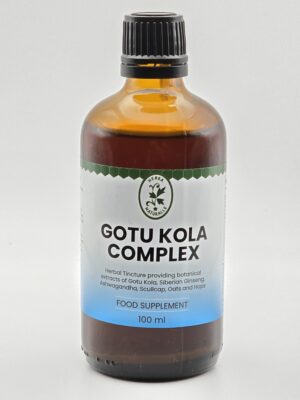 Gotu Kola Complex
£26.95
Gotu Kola Complex
£26.95