
Emotional Healing Retreats in the UK: A Guide to Finding and Getting the Most From One

Emotional Healing Retreats in the UK: A Guide to Finding and Getting the Most From One
Emotional healing retreats occupy a unique space in the wellness landscape, deeper than a relaxation holiday, more structured than a solo break, and often profoundly transformative for people carrying grief, trauma, burnout, or long-held emotional patterns. This guide covers what emotional healing retreats involve, who they are for, the different types available across the UK, and how to continue the healing process after you return home.
What Is an Emotional Healing Retreat?
An emotional healing retreat is a structured residential or day programme designed to support the processing and release of emotional pain, whether that is grief, trauma, relationship breakdown, burnout, anxiety, or general emotional overwhelm. The focus is not relaxation for its own sake but genuine therapeutic movement, shifting something that has been stuck.
Emotional healing retreats are distinct from mental health retreats in that they are not necessarily clinical settings. Many are led by experienced practitioners using a combination of therapeutic modalities, somatic work, nature, and community.
It’s worth saying plainly that healing rarely follows a neat checklist. It isn’t something that gets ticked off after a journal session or a weekend of deep breathing. More often, it’s a slow, sometimes uneven process of finally giving yourself permission to feel what’s been pushed aside, which is exactly why a dedicated space away from ordinary routine can make such a difference.
Who Are Emotional Healing Retreats For?
Emotional healing retreats are particularly relevant for people who:
- Are recovering from bereavement or significant loss
- Have experienced trauma (including complex or developmental trauma)
- Are in recovery from a difficult relationship or separation
- Are experiencing burnout or exhaustion with chronic emotional tension
- Feel emotionally ‘stuck’ despite trying conventional approaches
- Are ready to do deeper inner work in a supported environment
How Long Do These Retreats Typically Last, and When to Go
Most emotional healing programmes run somewhere between seven and fourteen days, which tends to be enough time to engage properly with the therapeutic work while still allowing the nervous system to genuinely settle, rather than just scratching the surface over a single weekend. Shorter two to four day retreats do exist and can be a gentler introduction if you’re unsure what to expect.
Timing matters too, though there’s no single right answer. Late spring through to early autumn tends to suit retreats built around outdoor movement and longer daylight hours, while the quieter months from October to February often suit retreats that lean more into deep rest, low stimulation, and cosy, sheltered surroundings, sometimes exactly what’s needed during a harder emotional season.
Types of Emotional Healing Retreats in the UK
Somatic and Body-Based Retreats
These retreats work on the principle that emotional pain is held in the body as much as the mind. Approaches include somatic experiencing, dance movement therapy, breathwork (including holotropic breathing), TRE (Tension and Trauma Releasing Exercises), and yoga nidra. They can be particularly effective for trauma that has not responded well to talk-based approaches.
Grief and Loss Retreats
Specifically designed for those in bereavement or processing significant loss, these retreats typically combine group sharing, individual support, ritual, and nature-based practice.
Trauma Recovery Retreats
Led by trauma-informed practitioners, these retreats may incorporate EMDR, compassion-focused therapy, trauma-sensitive yoga, and peer support. They require careful clinical oversight and are often more expensive.
Spiritual and Inner Work Retreats
Some retreats frame emotional healing within a spiritual or contemplative context, using meditation, prayer, journaling, and guidance from traditions such as Buddhism, Shamanism, or Christian contemplative practice. These are not therapy, but can be deeply meaningful.
Walking and Nature-Based Retreats
Organisations like Mind Over Mountains combine therapeutic walking in UK landscapes with group facilitation and psychological support. These are often more affordable and appeal to people who process better through movement than sitting.
What to Expect From an Emotional Healing Retreat

Every retreat is different, but common elements include:
- A daily structure that balances therapeutic sessions with free time and rest
- Group work, sharing and witnessing others’ experiences is itself therapeutic
- Individual sessions with a practitioner or therapist
- Nature and outdoor time
- Nutritious whole food
- Limited or no alcohol or caffeine
- A community of people in a similar process
Is an Emotional Healing Retreat a Replacement for Therapy?
It’s an important question, and worth being honest about. A retreat can open up a great deal in a short space of time, sometimes more than months of weekly sessions, but it isn’t generally designed to replace ongoing therapy or psychiatric care, particularly for complex trauma or diagnosed mental health conditions. Many of the better trauma-focused retreats work alongside a person’s existing therapist rather than instead of them, and a good retreat provider should be upfront about this distinction rather than blurring the line. If you’re currently under the care of a mental health professional, it’s worth discussing a retreat with them beforehand.
How to Choose an Emotional Healing Retreat in the UK
Key questions to ask before booking:
- What therapeutic modalities are used and are the practitioners qualified?
- Is the retreat trauma-informed?
- What is the group size, and is there enough individual attention?
- What preparation or intake process is there before arrival?
- Is there aftercare or follow-up support once the retreat ends?
- Are there any contraindications, physical or psychological, for participation?
- How is confidentiality handled, both within the group and around any personal material shared?
If cost is a concern, it’s worth knowing that not every option needs to be a high-end residential programme. Walking and nature-based retreats tend to be more affordable than clinically-led trauma programmes, and our guide to affordable mental health retreats in the UK rounds up lower-cost options worth considering. If you’d prefer something gentler and less group-focused as a starting point, our piece on solo wellness retreats in the UK may also be worth a read.
Continuing Emotional Healing at Home

One of the most important, and often underplanned, aspects of a healing retreat is what happens after. The insights and emotional openings that arise during a retreat need ongoing support to integrate fully.
The nervous system in particular needs time and continued care. Emotional pain that has been long-held often involves a chronically activated surface nervous system, one that has learned to stay in alert mode as a protective strategy. Supporting this layer herbally can be a meaningful part of the ongoing healing journey, and we’ve written more specifically about this mechanism in Inflammation of the Surface Nervous System: Where Healing Begins.
The nervous system reset bundle from Herba Naturalle provides a three-month herbal protocol to gently calm this surface nervous system, reducing inner agitation, restlessness, and emotional reactivity, supporting the integration work that continues after a retreat. Our article on nervous system support for stress and burnout goes into more detail on this approach, and Scullcap is another nervine herbalists often turn to when anxiety and an overactive mind are part of the picture during this settling-in period.
The Schizandra Complex is one of the adaptogenic herbs used in Herba Naturalle formulations, traditionally associated with resilience and emotional steadiness. For a broader look at how herbal medicine fits alongside emotional and mental wellbeing more generally, our guide to herbal medicine for mental health is a useful next read.
For a personalised approach to herbal support after a retreat, you are welcome to get in touch or visit the
Frequently Asked Questions
How long does an emotional healing retreat usually last?
Most run between seven and fourteen days, though shorter two to four day options exist and can be a good way to try the format before committing to something longer.
Are emotional healing retreats covered by health insurance?
Generally not, since most aren’t clinical treatment in the medical sense, though some trauma-focused retreats run by licensed therapists may qualify under certain private health plans. It’s worth checking directly with your insurer and the retreat provider.
What’s the difference between an emotional healing retreat and a general wellness retreat?
A wellness retreat is usually oriented towards relaxation, general self-care, or fitness, while an emotional healing retreat is specifically structured around processing and releasing emotional pain, with therapeutic modalities and often trauma-informed facilitation built into the programme.
Do I need prior therapy experience before attending?
Not usually, though some trauma-focused retreats do ask about your history during an intake process to make sure the retreat is a safe fit. If you’re currently in therapy, it’s worth mentioning the retreat to your therapist beforehand.
Support Your Body Naturally With Herba Naturalle
If any of the topics in this article resonate with you, the Herba Naturalle Bundle page offers a structured, three-step herbal protocol designed to address chronic illness at the root. The approach, developed over 30 years of clinical practice by Anjela Jeganathan, works across three healing layers:
- Step 1, Digestive Reset: Restore digestive rhythm, nutrient absorption, and healthy elimination
- Step 2, Surface Nervous System Reset: Calm inner restlessness, reduce stress reactivity, and settle the mind
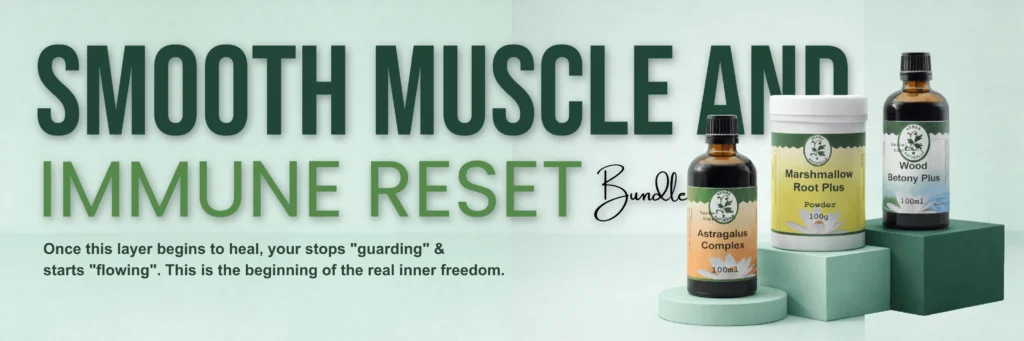
- Step 3, Smooth Muscle & Immune Lining Healing: Reduce chronic inflammation in the tissue lining surrounding organs, blood vessels, and immune pathways
Explore the full protocol at the Herba Naturalle Bundle page and find the starting point that matches your body’s needs.
Have Questions? Get in Touch
If you would like personalised guidance or have questions about herbal support for your health, you are welcome to contact Anjela directly. She offers consultations tailored to your individual health needs.
Our Trending Products & Bundles
-
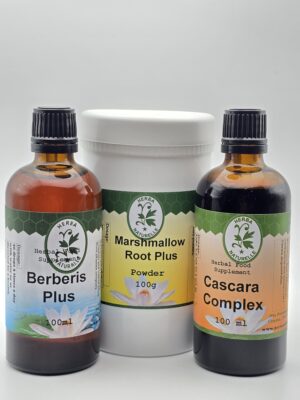 Digestive reset bundle
Original price was: £151.65.£144.95Current price is: £144.95.
-
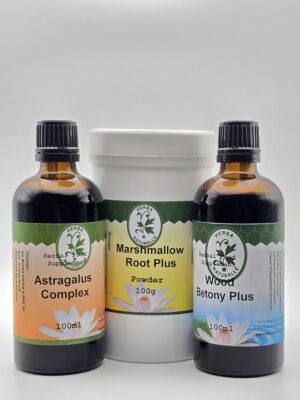 Smooth muscle and immune reset Bundle
Original price was: £177.60.£159.95Current price is: £159.95.
-
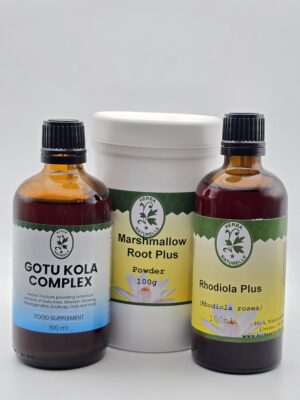 Nervous System Reset
Original price was: £163.68.£149.95Current price is: £149.95.
-
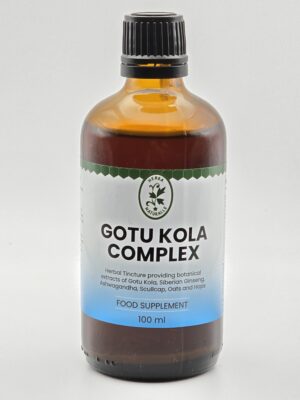 Gotu Kola Complex
£26.95

About the Author

Holistic Herbalist in UK · 30 Years of Excellence at Croydon, GB
Angela Jegnathan brings over 30 years of experience in integrated medicine and more than 25 years of full-time clinical herbal practice. Specializing in holistic herbal medicine, she focuses on restoring digestive health, calming the nervous system, and supporting the body's natural inflammatory response through evidence-based, patient-centered care.
Expertise: Holistic Herbs, Natural Medicines, Herbal Health
30 years of experience
