The Lymphatic System and Herbal Detoxification: What Actually Happens in Your Body
Detoxification is one of the most misunderstood words in health. Marketing has turned it into a vague promise attached to juices, supplements and spa treatments. The reality is that detoxification is a specific, measurable set of physiological processes, and the lymphatic system is one of its most important and most neglected components.
Understanding how the lymphatic system works and how herbal medicine genuinely supports it is essential for anyone interested in moving beyond marketing claims toward real clinical results. This is not about cleanses. It is about the biology of waste removal and immune surveillance, and the herbs that have been used for centuries to keep these systems working efficiently.
What the Lymphatic System Actually Does
The lymphatic system is a network of vessels, nodes, organs and tissues that runs parallel to the circulatory system. Unlike the blood, which is pumped by the heart, lymph has no central pump. It moves through the body driven by muscle contraction, breathing and the rhythmic contraction of the lymph vessel walls themselves.
The system has three primary functions. First, it collects and returns excess interstitial fluid, the fluid that bathes every cell in your body, back to the bloodstream. Without this drainage, tissues would swell with accumulated fluid within hours. Second, it absorbs dietary fats and fat-soluble vitamins from the digestive tract and transports them to the bloodstream. Third, and most importantly for this discussion, it serves as the body’s waste filtration and immune surveillance network.
Lymph nodes are not passive filters. They are active immune organs where lymphocytes, the white blood cells responsible for identifying and destroying pathogens, damaged cells and abnormal cells, congregate and respond to threats. When a medical herbalist talks about supporting immunity, lymphatic function is a central part of that conversation.
The Concept of Alterative Herbs
In herbal medicine, herbs that support the body’s eliminative processes, including lymphatic drainage, are traditionally called alteratives. The term literally means herbs that alter or change the condition of the tissues, gradually restoring them to normal function.
This is a fundamentally different concept from the modern marketing idea of detox. Alterative herbs do not force the body to eliminate toxins. They support and optimise the channels through which the body naturally processes and removes metabolic waste, cellular debris and environmental compounds.
Cleavers is perhaps the most important lymphatic herb in Western herbal practice. It has a specific affinity for the lymphatic system, gently promoting lymphatic drainage and reducing lymphatic congestion. Clinical herbalists use it whenever they observe signs of lymphatic stagnation: swollen glands, fluid retention, skin conditions that suggest poor waste elimination, and the general heaviness and sluggishness that accompanies a congested lymphatic system.
Calendula is another key lymphatic herb. Beyond its well-known wound-healing properties, calendula has a specific action on the lymphatic vessels, improving lymphatic return and reducing local inflammation. It is particularly valuable when skin conditions are present alongside lymphatic congestion, which is common because the skin is a major eliminative organ.
Red clover is a classic alterative herb that supports multiple eliminative pathways simultaneously. It has mild lymphatic, hepatic and renal supportive actions, making it a gentle, broad-spectrum detoxification herb.
Burdock root is one of the most widely used alterative herbs globally. It supports both hepatic and lymphatic function, and has a particular affinity for skin conditions related to poor waste elimination. In traditional herbal practice, burdock is the herb of choice for conditions where metabolic waste is being deposited in the skin because the primary eliminative channels are overwhelmed.
How Lymphatic Congestion Manifests
The lymphatic system does not announce its dysfunction with dramatic symptoms. Instead, lymphatic congestion produces a constellation of subtle signs that many people attribute to ageing, stress or simply feeling run down.
Persistent puffiness, particularly around the eyes and ankles, can indicate poor lymphatic drainage. Recurring or persistent skin conditions such as acne, eczema and boils may reflect the body’s attempt to eliminate waste through the skin when lymphatic and hepatic pathways are congested. Susceptibility to infections, swollen lymph nodes, chronic fatigue and general heaviness in the limbs can all point to lymphatic insufficiency.
Cellulite is a condition closely linked to lymphatic stagnation, and herbal treatment that addresses lymphatic drainage often produces visible improvement.
A trained medical herbalist assesses lymphatic function as part of a comprehensive case history. The tongue, the quality of the skin, the presence of oedema and the patient’s energy patterns all provide clinical information about lymphatic health.
The Relationship Between the Lymphatic System and Other Eliminative Organs
The lymphatic system does not work in isolation. It is intimately connected to the liver, kidneys, skin, lungs and bowels. When any of these eliminative organs is overburdened, the load shifts to the others.
Liver detoxification is particularly important in this context. The liver processes the metabolic waste that the lymphatic system delivers. If liver function is sluggish, due to poor diet, alcohol consumption, medication load or environmental toxin exposure, waste accumulates in the lymphatic system and eventually manifests in the tissues.
This is why a herbalist treating lymphatic congestion will almost always include hepatic herbs in the formula. Milk thistle protects and regenerates liver cells. Dandelion root stimulates bile flow and liver metabolism. Schisandra supports both Phase I and Phase II liver detoxification enzymes. The Schizandra Complex is formulated to provide this liver support as part of a comprehensive detoxification strategy.
The kidneys are another critical partner. Herbal diuretics that support renal function, such as couch grass and cornsilk, help the kidneys process and eliminate the water-soluble waste products that the lymphatic system delivers to the blood. Products like the Couch Grass Complex and Cornsilk Plus are clinically formulated to support this renal eliminative function.
What Real Herbal Detoxification Looks Like
A genuine herbal detoxification programme, designed by a qualified medical herbalist, looks nothing like a three-day juice cleanse. It is a structured, sustained treatment plan that supports all the body’s eliminative organs simultaneously while ensuring that the waste being mobilised can actually be processed and removed.
The three-layer healing approach provides a framework for this. The first layer addresses digestive function, ensuring the gut is healthy enough to absorb herbal compounds and eliminate waste through the bowels. The second layer introduces lymphatic and hepatic herbs to mobilise and process accumulated waste. The third layer supports the kidneys, skin and lungs in their eliminative roles.
The timing matters. Mobilising waste faster than the liver and kidneys can process it simply moves toxins from one tissue compartment to another, often making the patient feel worse rather than better. This is why unsupervised aggressive detox protocols can produce headaches, skin eruptions, digestive disturbance and fatigue, the body is being overwhelmed rather than supported.
Herbal medicine for digestive health is always the foundation. The bowels must be functioning properly before deeper detoxification begins. If the primary eliminative channel is blocked, waste has nowhere to go.
Supporting Lymphatic Function Beyond Herbs
While herbal medicine provides the pharmacological support, lymphatic function also responds to physical measures. Movement is essential, the lymphatic system depends on muscle contraction for flow. Walking, swimming and any form of regular exercise dramatically improves lymphatic drainage.
Dry skin brushing, a practice long advocated by naturopaths, stimulates superficial lymphatic flow. Hydrotherapy, alternating hot and cold water application, creates a pumping action in the lymphatic and circulatory systems.
Breathing is perhaps the most underappreciated lymphatic pump. Deep diaphragmatic breathing creates pressure changes in the thorax that draw lymph from the extremities toward the thoracic duct. This is one reason why stress management and practices that emphasise slow, deep breathing have such broad health benefits.
A herbalist who understands these connections will often recommend lifestyle modifications alongside the herbal prescription. This integrated approach, addressing both the biochemical and the mechanical aspects of lymphatic function, produces results that herbal supplements alone cannot match.
The Evidence Behind Lymphatic Herbs
The pharmacological actions of the key lymphatic herbs are well documented. Cleavers contains iridoid glycosides and flavonoids that have demonstrated anti-inflammatory and mild diuretic actions. Calendula’s triterpenoid saponins have been shown to improve lymphatic vessel contraction. Burdock root’s arctigenin has demonstrated anti-inflammatory and antioxidant properties.
Research from the European Medicines Agency has assessed several of these herbs and confirmed their traditional uses as having plausible pharmacological mechanisms.
The clinical experience of practising medical herbalists in the UK provides additional evidence. Patterns observed across thousands of patients consistently show that lymphatic herbs, prescribed as part of a comprehensive treatment plan, produce measurable improvements in fluid balance, skin health, immune function and energy levels.
Getting Started
If you recognise signs of lymphatic congestion in your own health, persistent puffiness, skin problems, recurrent infections, or the kind of heavy, sluggish fatigue that does not respond to rest, the most effective step is a consultation with a qualified medical herbalist who can assess your lymphatic, hepatic and renal function comprehensively.
The full range of detoxification-supportive herbal products, including the Schizandra Complex, Couch Grass Complex and Cornsilk Plus, is available on the products page. These products are formulated for clinical use and are most effective when prescribed as part of a tailored treatment plan.
Real detoxification is not dramatic. It is the steady, sustained support of the body’s own eliminative intelligence. And when done properly, with the right herbs and the right guidance, it produces changes that are quiet, cumulative and lasting.
Our Trending Products & Bundles
-
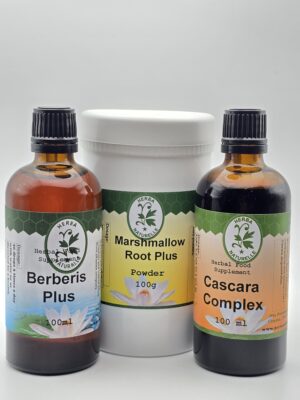 Digestive reset bundle
Original price was: £151.65.£144.95Current price is: £144.95.
-
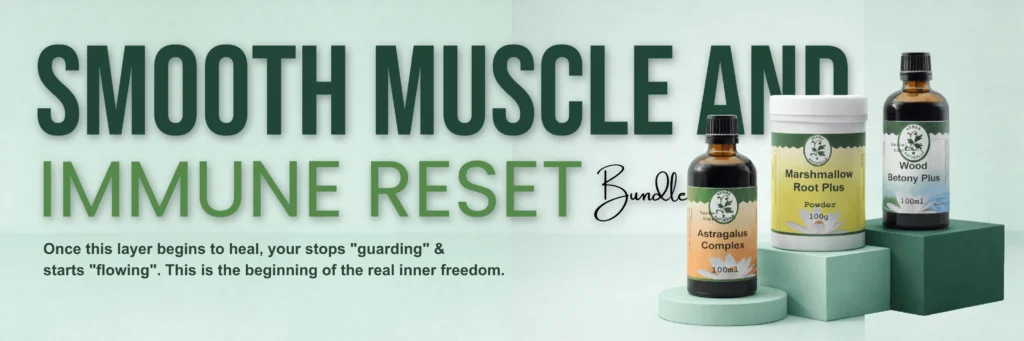
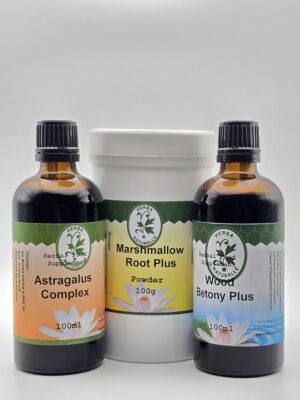 Smooth muscle and immune reset Bundle
Original price was: £177.60.£159.95Current price is: £159.95.
-
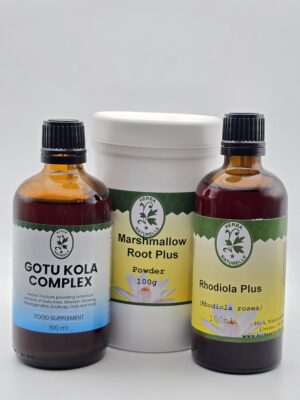 Nervous System Reset
Original price was: £163.68.£149.95Current price is: £149.95.
-
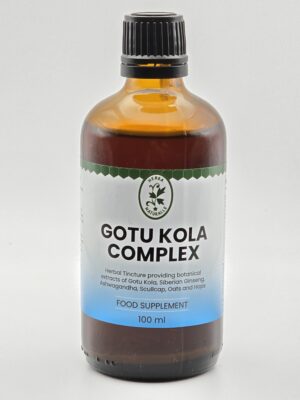 Gotu Kola Complex
£26.95

About the Author

Holistic Herbalist in UK · 30 Years of Excellence at Croydon, GB
Angela Jegnathan brings over 30 years of experience in integrated medicine and more than 25 years of full-time clinical herbal practice. Specializing in holistic herbal medicine, she focuses on restoring digestive health, calming the nervous system, and supporting the body's natural inflammatory response through evidence-based, patient-centered care.
Expertise: Holistic Herbs, Natural Medicines, Herbal Health
30 years of experience
