Herbal Support for Excessive Sweating (Hyperhidrosis)
Sweating is supposed to be a straightforward cooling mechanism, but for some people it happens far beyond what temperature or exertion would explain, soaking through clothes during an ordinary meeting or leaving palms too damp to comfortably shake hands. Herbal support for excessive sweating is searched most often by people who’ve quietly managed this for years, often assuming it’s simply a personal quirk rather than a recognised condition with a name and, in many cases, genuine treatment options.
How Hyperhidrosis Tends to Change Over Time
Primary hyperhidrosis often follows a somewhat predictable pattern, frequently beginning in the teenage years, sometimes easing gradually with age, and often fluctuating with stress levels and life circumstances rather than remaining perfectly constant throughout life. Understanding this natural variation can be genuinely reassuring, since a particularly bad patch during a stressful period doesn’t necessarily mean the condition is permanently worsening, and addressing the underlying stress often brings things back toward a more manageable baseline.
Keeping a Simple Record Before Your First Consultation
Noting when sweating episodes happen, what seems to trigger them, and whether they’re localised or generalised across the body, gives a herbalist considerably more to work with than a general description alone. Patterns that feel constant day to day often reveal a specific trigger, whether that’s a particular food, a certain type of stress, or a time of day, once actually written down over a week or two rather than relied on from memory.
Diet’s Modest but Real Role
Spicy foods, caffeine and alcohol can all trigger a temporary spike in sweating for people already prone to it, through their direct effect on the body’s thermoregulatory and nervous system responses. Reducing these around important events or particularly stressful days, rather than eliminating them entirely, is a simple, practical step many people find genuinely worthwhile alongside their herbal plan.
What Hyperhidrosis Actually Is
Hyperhidrosis is excessive sweating beyond what’s needed for temperature regulation, and it can be either generalised across the whole body or localised, most commonly affecting the palms, soles, underarms or face. Primary hyperhidrosis, the more common form, has no identifiable underlying cause and often begins in adolescence, while secondary hyperhidrosis is triggered by an underlying condition or medication, which is exactly why identifying which type you have matters before assuming any particular remedy will help.
Ruling Out an Underlying Cause First
This is genuinely the most important step, and it’s worth doing before reaching for any herb. Herbal medicine for thyroid health UK covers one of the more common underlying causes of secondary excessive sweating, since an overactive thyroid frequently presents with exactly this symptom. Menopause and perimenopause are another extremely common cause specifically of night sweats and hot flush related sweating, and our guide to herbs for perimenopause is worth reading if your sweating pattern coincides with other signs of that transition. Our guide to the full body MOT blood test is a sensible starting point for ruling out thyroid or hormonal causes properly rather than guessing. Certain medications and anxiety disorders can also trigger secondary sweating, which is part of why a proper case history matters more here than in many other conditions.
Herbs Traditionally Used for Excessive Sweating
Sage Leaf has one of the strongest traditional reputations specifically for reducing excessive sweating, described in herbal tradition as having a genuinely drying action on the body. It’s frequently the first herb considered for hyperhidrosis regardless of the specific trigger, taken either as a tea or in tincture form, and its reputation here is old enough and consistent enough across different herbal traditions to be taken seriously.
Lemon Balm is sometimes included alongside Sage, particularly where sweating is linked to anxiety or nervous tension, given its calming action on an overactive nervous system that itself contributes to excessive sweating in many cases.
Where Anxiety Sits at the Root of the Problem
For a genuinely significant number of people, excessive sweating is closely tied to anxiety, either as a direct symptom or through a vicious cycle where fear of sweating in public itself triggers more sweating. Passion Flower has a strong traditional reputation specifically for anxiety, and Motherwort works along similar lines, calming the kind of nervous system overactivity that can drive both anxiety and sweating simultaneously. Our broader guide to herbal medicine for mental health is worth reading if anxiety feels like a significant, underlying part of your particular pattern, since addressing it directly often does more for the sweating than any herb aimed at sweating alone.
Supporting a Nervous System Under Constant Strain
Oat Seed is a nervous system restorative particularly suited to a body that’s been running in a heightened, stress reactive state for a prolonged period, which describes many people dealing with chronic hyperhidrosis, since the condition itself becomes an additional source of ongoing stress and self-consciousness. Our Nervous System Reset formulation was built with exactly this kind of overstretched, socially anxious presentation in mind.
The Practical Side Nobody Mentions
Beyond herbs, some practical steps genuinely help manage the day to day experience of hyperhidrosis, including breathable, natural fabrics rather than synthetic materials that trap moisture, and avoiding known dietary triggers like caffeine, alcohol and very spicy foods, all of which can stimulate the sweat glands further in people already prone to overactivity. Antiperspirants containing aluminium chloride, available both over the counter in stronger formulations and by prescription, remain one of the more effective conventional options for localised sweating and can be used alongside herbal support rather than instead of it.
A Case Worth Sharing
A man in his late twenties came to clinic having dealt with sweaty palms since his teenage years, to the point where he’d developed genuine social anxiety around handshakes and had started avoiding situations where his sweating might be noticed. Bloodwork ruled out any thyroid involvement, pointing toward primary hyperhidrosis with a significant anxiety component layered on top. A combination of Sage Leaf taken daily and Passion Flower used specifically before anticipated stressful situations led to a meaningful reduction in both the physical sweating and, just as importantly, the anticipatory anxiety that had been making it worse.
Building a Plan That Addresses Both Sides
Excessive sweating responds considerably better to a plan that addresses both the physical pattern and any underlying anxiety or hormonal driver, rather than treating it as a single, isolated symptom. If you’d like a proper assessment of what’s behind your particular pattern, you can book a consultation or book an appointment online. The full herb directory has more detail on every herb mentioned here, our About Herbal Medicine page explains the clinical reasoning behind this approach, and our homepage has everything else you need to know about how the clinic works.
Excessive sweating is more common, and more treatable, than most people who live with it privately ever realise. With the right combination of investigation and herbal support, most people find a genuinely more manageable, less anxiety provoking day to day experience.
The Social Toll That’s Easy to Underestimate
Hyperhidrosis carries a genuine social and emotional weight that goes beyond the physical symptom itself, often leading people to avoid handshakes, certain clothing, or social situations altogether out of embarrassment. Acknowledging that toll matters, since addressing the anxiety and self-consciousness alongside the physical sweating tends to produce a more complete, satisfying improvement than treating the sweating as a purely physical problem in isolation.
A Final Word on Patience
Herbal support for hyperhidrosis, like most nervous system focused approaches, tends to work gradually rather than overnight, often taking several weeks of consistent use before a genuine, noticeable reduction in sweating becomes apparent. Sticking with a chosen combination consistently, rather than switching after just a few days, gives a far more accurate picture of whether it’s actually helping.
It’s a genuinely worthwhile investment of patience given how much day to day confidence and comfort is often at stake.
One Last Practical Note
Keeping a small, discreet supply of your chosen herbal remedy with you during the early weeks of a new plan can ease the anxiety of anticipated sweating situations, since knowing support is on hand often reduces the anticipatory stress that worsens sweating in the first place.
That small sense of preparedness often makes a genuine, measurable difference on its own.
Small, practical steps like this one tend to add up meaningfully alongside the herbs themselves.
Our Trending Products & Bundles
-
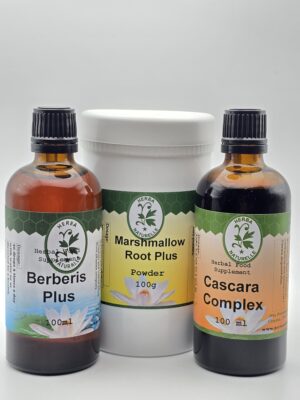 Digestive reset bundle
Original price was: £151.65.£144.95Current price is: £144.95.
Digestive reset bundle
Original price was: £151.65.£144.95Current price is: £144.95.
-
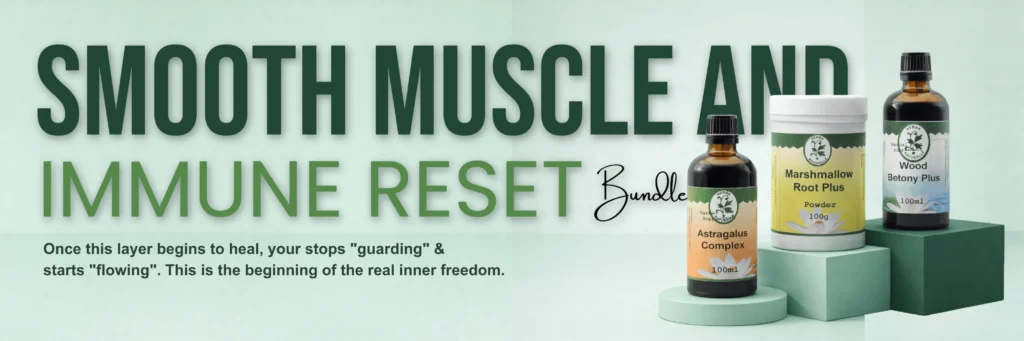
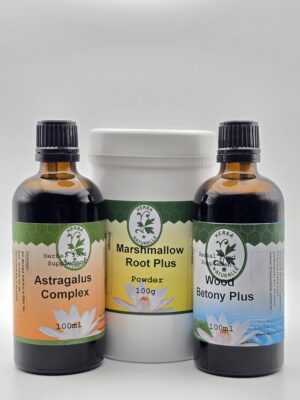 Smooth muscle and immune reset Bundle
Original price was: £177.60.£159.95Current price is: £159.95.
Smooth muscle and immune reset Bundle
Original price was: £177.60.£159.95Current price is: £159.95.
-
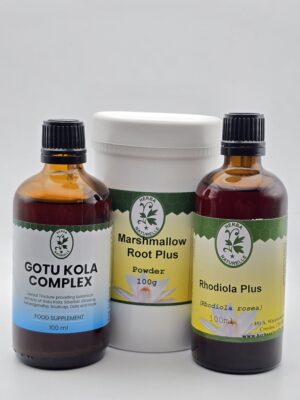 Nervous System Reset
Original price was: £163.68.£149.95Current price is: £149.95.
Nervous System Reset
Original price was: £163.68.£149.95Current price is: £149.95.
-
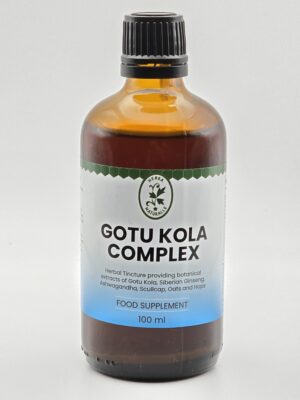 Gotu Kola Complex
£26.95
Gotu Kola Complex
£26.95

About the Author

Holistic Herbalist in UK · 30 Years of Excellence at Croydon, GB
Angela Jegnathan brings over 30 years of experience in integrated medicine and more than 25 years of full-time clinical herbal practice. Specializing in holistic herbal medicine, she focuses on restoring digestive health, calming the nervous system, and supporting the body's natural inflammatory response through evidence-based, patient-centered care.
Expertise: Holistic Herbs, Natural Medicines, Herbal Health
30 years of experience
