Medical HerMedical Herbalist in the UK: What They Do and How to Find the Right One
By Anjela Jeganathan – Medical Herbalist | Herba Naturalle
When people first encounter the term “medical herbalist,” they often picture something vague and unscientific an image shaped by decades of misrepresentation in popular culture. The reality is quite different. A qualified medical herbalist in the United Kingdom is a trained clinical practitioner who combines a deep knowledge of plant medicine with a thorough understanding of human physiology, pathology, and conventional medical science.
This article explains what a medical herbalist actually does, how to find one, and why working with a qualified practitioner makes a meaningful difference to your health outcomes.
What Is a Medical Herbalist?
A medical herbalist is a healthcare practitioner who uses plants and plant-derived preparations as their primary therapeutic tool. In the United Kingdom, the most rigorous route to qualification is through a BSc or equivalent degree-level programme in Herbal Medicine, followed by registration with a professional body such as the National Institute of Medical Herbalists (NIMH) or the College of Practitioners of Phytotherapy (CPP).
The distinction between a qualified medical herbalist and an over-the-counter herb seller is significant. A medical herbalist takes a full clinical history, performs functional assessments, considers drug-herb interactions, and constructs individualised treatment programmes much as a GP would, but using the tools of botanical medicine rather than pharmaceutical drugs.
What Happens in a Consultation?
A first consultation with a medical herbalist typically lasts between 60 and 90 minutes. During this time, the practitioner will:
- Take a detailed medical and personal history
- Ask about symptoms, their pattern, and their triggers
- Enquire about diet, sleep, stress, and lifestyle
- Review any current medications and consider potential interactions
- Assess the person as a whole, not simply the presenting complaint
From this assessment, a personalised herbal prescription is prepared often a combination of liquid tinctures, dried herbs for tea, or capsule preparations. Follow-up appointments allow the practitioner to review progress and adjust the prescription.
This individualised, whole-person approach is one of the defining characteristics of herbal medicine. Where conventional medicine often treats the diagnosis, a medical herbalist treats the person who has the diagnosis.
What Conditions Do Medical Herbalists Treat?
Qualified medical herbalists work across a wide range of conditions including digestive disorders, hormonal imbalances, skin conditions, respiratory problems, anxiety, sleep disturbance, cardiovascular risk, and musculoskeletal pain. Many patients come seeking support for conditions that have responded inadequately to conventional treatment alone.
The recent posts on this site explore many of the health areas a medical herbalist regularly addresses in practice from how gut and digestive health underpins overall wellbeing to the connection between visceral fat and organ health, the management of IBS and bowel conditions, natural approaches to mental health, cholesterol and heart-healthy dietary guidance, and understanding abdominal pain.
How Is a Medical Herbalist Different from a Nutritionist or Naturopath?
A medical herbalist’s training is specifically focused on the clinical application of botanical medicine within a biomedical framework. While nutritionists focus primarily on diet and naturopaths take a broader multi-modality approach, a medical herbalist has in-depth training in phytopharmacology the science of how plants affect the body and the clinical skills to use that knowledge therapeutically and safely.
Finding a Qualified Medical Herbalist in the UK
When seeking a medical herbalist in the UK, look for:
- Professional registration with the NIMH, CPP, or EHTPA
- Degree-level qualifications in Herbal Medicine
- Clinical experience years of practice matter in a hands-on clinical discipline
- Transparency about their approach, qualifications, and the evidence base they draw on
Herba Naturalle, based in Croydon and serving patients across the UK, is led by Anjela Jeganathan a medical herbalist with over 30 years of clinical experience. Consultations explore the full picture of your health, and treatment programmes are individually designed and reviewed throughout.
Whether you are dealing with a specific chronic condition or simply seeking a more personalised approach to maintaining your health, working with a qualified medical herbalist represents an evidence-informed, individually tailored option that the conventional healthcare system does not currently offer at the same depth.
This article is for educational purposes only and does not constitute medical advice. Please consult your GP for any new or concerning health symptoms.
Reference: https://medium.com/@medicalherbalistorg1/the-real-chemistry-of-natural-health-acdc9b87955d
Our Trending Products & Bundles
-
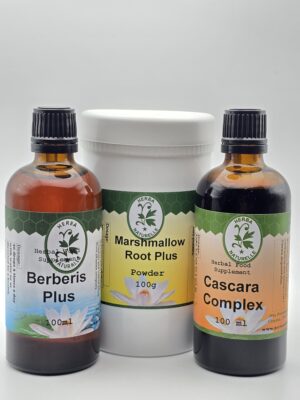 Digestive reset bundle
Original price was: £151.65.£144.95Current price is: £144.95.
Digestive reset bundle
Original price was: £151.65.£144.95Current price is: £144.95.
-
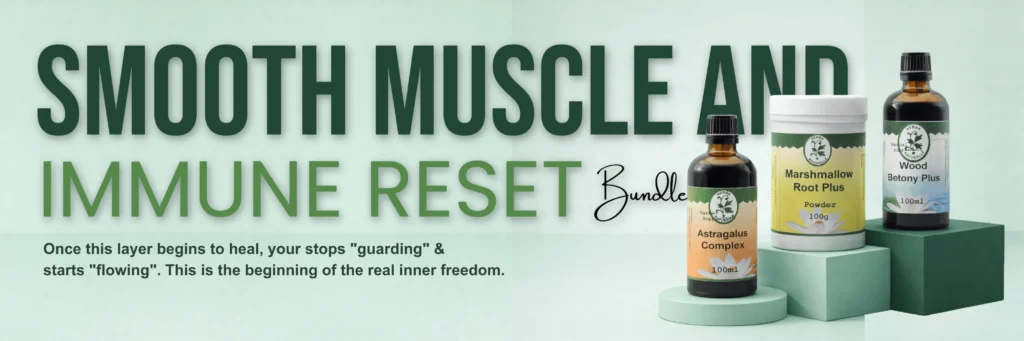
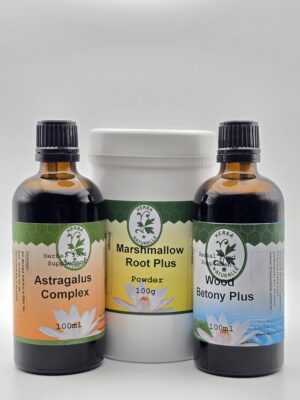 Smooth muscle and immune reset Bundle
Original price was: £177.60.£159.95Current price is: £159.95.
Smooth muscle and immune reset Bundle
Original price was: £177.60.£159.95Current price is: £159.95.
-
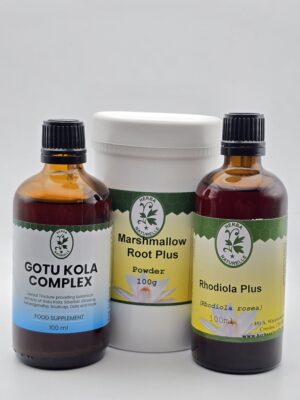 Nervous System Reset
Original price was: £163.68.£149.95Current price is: £149.95.
Nervous System Reset
Original price was: £163.68.£149.95Current price is: £149.95.
-
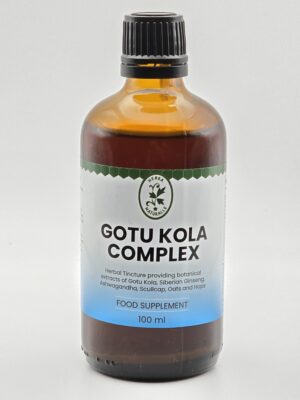 Gotu Kola Complex
£26.95
Gotu Kola Complex
£26.95

About the Author

Holistic Herbalist in UK · 30 Years of Excellence at Croydon, GB
Angela Jegnathan brings over 30 years of experience in integrated medicine and more than 25 years of full-time clinical herbal practice. Specializing in holistic herbal medicine, she focuses on restoring digestive health, calming the nervous system, and supporting the body's natural inflammatory response through evidence-based, patient-centered care.
Expertise: Holistic Herbs, Natural Medicines, Herbal Health
30 years of experience
