
IBS, IBD, UC and Bowel Cancer: Understanding Your Intestinal Symptoms
Introduction
Problems with the intestines are among the most common reasons people visit their GP in the UK. Yet bowel symptoms can be difficult to interpret, symptoms that feel alarming often turn out to be functional (irritable bowel syndrome), while those that seem minor can occasionally signal something more serious. This article helps you understand the difference between IBS, IBD (including Crohn’s and ulcerative colitis), and the symptoms that need prompt investigation.
Intestine Symptoms: An Overview
The intestines can produce a wide range of symptoms depending on which part is affected and what is causing the problem. Common symptoms include:
- Cramping or colicky abdominal pain
- Diarrhoea or constipation (or alternating between the two)
- Bloating and excessive wind
- Urgency to open the bowels
- Mucus in the stool
- Blood in the stool (always requires investigation)
- Feeling of incomplete emptying after opening the bowels
- Unexplained weight loss or fatigue
The tricky part is that many of these symptoms overlap between functional disorders (IBS) and organic disease (IBD, bowel cancer). This is why ongoing, changing, or worsening symptoms, especially in those over 45, should always be assessed by a GP.
IBS: Irritable Bowel Syndrome
IBS affects an estimated 10–15% of the UK population and is more common in women. It is a functional disorder, meaning the gut looks structurally normal but doesn’t behave normally. IBS is typically diagnosed when other causes have been excluded.
What Causes IBS Flare-Ups?
The triggers are highly individual, but the most frequently reported include:
- Certain foods, particularly those high in fermentable carbohydrates (FODMAPs)
- Stress and anxiety, the gut-brain axis is well established in IBS
- Hormonal changes, many women find symptoms worsen around menstruation
- Infections, post-infectious IBS can develop after a gut illness such as food poisoning or a gastric bug
- Irregular eating habits and rushed meals
- Antibiotics, which can disrupt the microbiome
How to Test for IBS at Home
While there is no single test for IBS, a structured self-assessment based on the Rome IV criteria can indicate whether IBS is likely. Read: How to Test for IBS at Home: Symptoms, Self-Assessment and Next Steps
The FODMAP Diet for IBS
The low-FODMAP diet was developed by researchers at Monash University and is now supported by the NHS as the most evidence-based dietary intervention for IBS. FODMAP stands for Fermentable Oligosaccharides, Disaccharides, Monosaccharides, and Polyols, a group of short-chain carbohydrates that are poorly absorbed in the small intestine and fermented by bacteria in the colon, causing gas, bloating, and altered bowel habits.
High-FODMAP foods to reduce initially:
- Wheat, rye, and barley
- Onions, garlic, and leeks
- Beans and lentils
- Milk, soft cheeses, and ice cream (lactose)
- Apples, pears, mangoes, and stone fruits
- Honey and foods containing fructose or sorbitol
Lower-FODMAP foods generally better tolerated:
- Rice, oats, and gluten-free products
- Carrots, courgette, cucumber, lettuce, and tomatoes
- Firm tofu and eggs
- Hard cheeses, lactose-free dairy
- Blueberries, strawberries, grapes, and oranges
- Plain meats and fish
The FODMAP diet is intended as a short-term elimination protocol (typically 2–6 weeks), followed by structured reintroduction to identify individual trigger foods. Working with a registered dietitian is ideal.
IBD: Inflammatory Bowel Disease
IBD is distinct from IBS, it involves genuine inflammation and, in the case of Crohn’s disease, can affect any part of the digestive tract from mouth to anus, whereas ulcerative colitis is confined to the colon and rectum.
Ulcerative Colitis (UC) Symptoms
UC typically causes:
- Bloody diarrhoea, often the most characteristic symptom
- Cramping lower abdominal pain, particularly on the left side
- Urgency and frequency to open the bowels
- Fatigue and, during flares, fever
- Weight loss during active disease
- Extra-intestinal symptoms: joint pain, skin rashes, eye inflammation
UC is a lifelong condition that requires proper medical management. Herbal and dietary approaches can complement conventional treatment but should not replace it.
Crohn’s Disease Symptoms (IBD)
Crohn’s can be harder to pin down because it can affect any section of the GI tract. Typical symptoms include:
- Abdominal pain (often in the lower right abdomen where the ileum meets the colon)
- Chronic diarrhoea, may or may not contain blood
- Fatigue and malaise
- Mouth ulcers
- Anal fissures, fistulae, or abscesses
- Fever and unintentional weight loss during active disease
Colon Pain: What Left-Side and Right-Side Pain Might Mean
Left-side colon pain (the descending colon and sigmoid colon lie here) is associated with:
- UC (affects from the rectum upwards)
- Diverticular disease (very common in UK adults over 60)
- Constipation or trapped wind
- Ovarian issues in women (referred pain)
Right-side colon pain (the cecum and ascending colon) may suggest:
- Crohn’s disease (often affects the terminal ileum and right colon)
- Appendicitis (central pain moving to the lower right, seek urgent care)
- Irritable bowel
Any new, severe, or persistent abdominal pain on either side should be assessed by a GP, particularly if accompanied by fever, vomiting, or rectal bleeding.
Bowel Cancer Symptoms: What to Look For
Bowel cancer (colorectal cancer) is the fourth most common cancer in the UK, with around 43,000 new cases each year. The good news is that when caught early, it is very treatable. Knowing the warning signs is essential.
Symptoms that should prompt urgent GP assessment:
- A persistent change in bowel habit lasting three weeks or more, especially looser stools or going more often
- Blood in the stool without an obvious cause (such as haemorrhoids)
- Unexplained weight loss
- Extreme and unexplained fatigue
- A lump in the abdomen
- Pain or discomfort in the abdomen that doesn’t go away
The NHS offers bowel cancer screening to everyone aged 50–74 in England via the faecal immunochemical test (FIT). If you receive a kit, use it, it saves lives.
Do not attribute persistent rectal bleeding or bowel changes to haemorrhoids without first ruling out cancer with your GP.
Foods to Help You Go: Dietary Support for Constipation
Constipation is a common accompaniment to bowel conditions, IBS, and simply a low-fibre diet. The following dietary measures help maintain regularity:
- Increase soluble fibre: oats, psyllium husk, flaxseeds, apples, and pears
- Increase insoluble fibre: wholegrain bread, bran, vegetables, and beans
- Drink plenty of water: at least 1.5–2 litres per day, dehydration is a major driver of constipation
- Move your body: even a 30-minute daily walk significantly improves bowel transit time
- Don’t ignore the urge: habitually delaying defecation makes constipation worse over time
Herbal Laxatives
For short-term support, certain herbs have been used for centuries as gentle bowel stimulants:
- Psyllium husk: the gold standard bulk-forming fibre: Psyllium Husk: The Gold Standard Fibre
- Senna: a stimulant laxative for short-term use: Senna Leaf: The Potent Herbal Laxative
- Cascara bark: Cascara Bark: The Sacred Bark Laxative
Note: stimulant laxatives are not intended for long-term daily use. Persistent constipation warrants investigation.
Herbal Support for Bowel Inflammation
For those with IBD or inflammatory bowel conditions, certain herbs have evidence for reducing gut inflammation and supporting mucosal healing:
- Slippery elm: Slippery Elm: The Supreme Gut Soother
- Marshmallow root: Marshmallow Root: The Deep Gut Lining Healer
- Agrimony: gentle astringent for diarrhoea: Agrimony: Britain’s Hedgerow Healer
- Turmeric: powerful anti-inflammatory with bowel benefits: Turmeric: Nature’s Most Powerful Anti-Inflammatory
Always work with a qualified herbalist if you have a diagnosed inflammatory condition.
Our Trending Products & Bundles
-
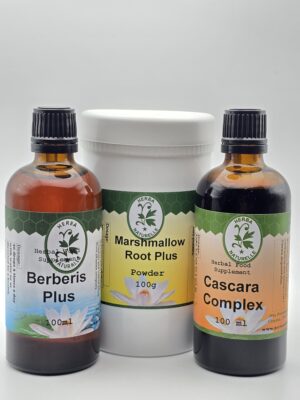 Digestive reset bundle
Original price was: £151.65.£144.95Current price is: £144.95.
Digestive reset bundle
Original price was: £151.65.£144.95Current price is: £144.95.
-
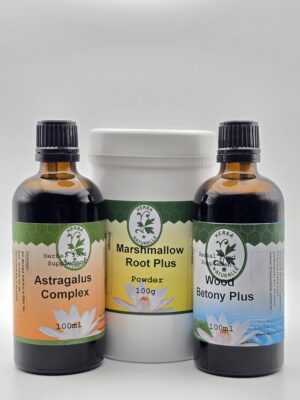 Smooth muscle and immune reset Bundle
Original price was: £177.60.£159.95Current price is: £159.95.
Smooth muscle and immune reset Bundle
Original price was: £177.60.£159.95Current price is: £159.95.
-
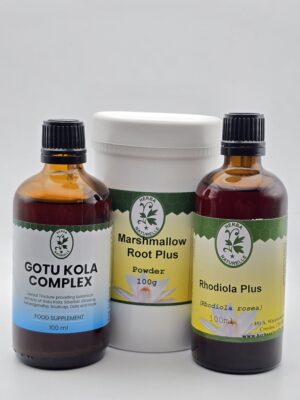 Nervous System Reset
Original price was: £163.68.£149.95Current price is: £149.95.
Nervous System Reset
Original price was: £163.68.£149.95Current price is: £149.95.
-
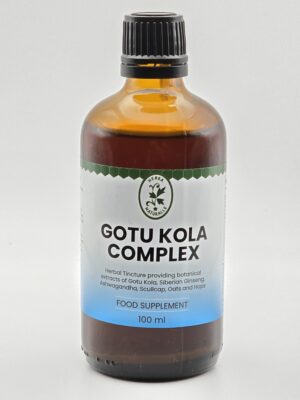 Gotu Kola Complex
£26.95
Gotu Kola Complex
£26.95


About the Author

Holistic Herbalist in UK · 30 Years of Excellence at Croydon, GB
Angela Jegnathan brings over 30 years of experience in integrated medicine and more than 25 years of full-time clinical herbal practice. Specializing in holistic herbal medicine, she focuses on restoring digestive health, calming the nervous system, and supporting the body's natural inflammatory response through evidence-based, patient-centered care.
Expertise: Holistic Herbs, Natural Medicines, Herbal Health
30 years of experience
