How to Test for IBS at Home: Symptoms, Self-Assessment and Next Steps
Irritable Bowel Syndrome (IBS) affects roughly one in five people in the UK at some point in their lives, yet many live with symptoms for years before receiving a diagnosis. Understanding what IBS looks like, how it is formally diagnosed, and what you can assess at home is an important first step toward getting appropriate support.
What Is IBS?
IBS is a functional gastrointestinal disorder, meaning that the bowel appears structurally normal on investigation, but the way it functions is disrupted. It is characterised by a cluster of bowel symptoms that recur over time and are not explained by another condition such as inflammatory bowel disease, coeliac disease, or bowel cancer.
IBS is not a single condition with one cause. It is a syndrome, a collection of symptoms, that likely represents several different underlying physiological disturbances, including altered gut motility, visceral hypersensitivity (heightened pain perception from the gut), gut microbiome dysbiosis, and gut-brain axis dysregulation.
What Are the Symptoms of IBS?
The core symptoms of IBS are:
- Abdominal pain or cramping, typically relieved or altered by opening the bowels
- Bloating and distension, often worsening through the day
- Change in bowel habit, this may mean diarrhoea (IBS-D), constipation (IBS-C), or alternating between both (IBS-M for mixed)
- Urgency, sudden need to open the bowels
- Feeling of incomplete emptying after opening the bowels
- Mucus in the stool
Additional symptoms commonly associated with IBS include:
- Fatigue
- Nausea
- Back pain
- Bladder symptoms
- Worsening around menstruation in women
Can You Test for IBS at Home?
There is no single test that diagnoses IBS, not at home, and not in a clinic. IBS is a clinical diagnosis based on symptoms, their pattern, and the exclusion of other conditions. However, there are several things you can assess at home that will give you useful information and help you prepare for a GP appointment.
The Rome IV Criteria, a self-assessment tool
IBS is formally diagnosed using the Rome IV criteria, which require:
- Recurrent abdominal pain on average at least one day per week in the last three months
- Associated with two or more of:
- Related to defecation
- Associated with a change in frequency of stool
- Associated with a change in form (appearance) of stool
- Criteria fulfilled for the last three months with symptom onset at least six months prior
If your symptoms fit this pattern and have persisted for at least six months, IBS is a likely diagnosis, though other causes must still be excluded.
The Bristol Stool Form Scale
This is a medically recognised tool for categorising stool consistency on a scale from 1 (hard lumps) to 7 (entirely liquid). It is a useful self-monitoring tool:
- Types 1–2 suggest constipation (IBS-C)
- Types 3–4 are considered normal
- Types 5–7 suggest loose stools or diarrhoea (IBS-D)
Keeping a stool diary using the Bristol Scale, alongside a food and symptom diary, provides valuable diagnostic information.
Food and symptom diary
Recording what you eat, when symptoms occur, their nature and severity, and any relevant factors (stress levels, menstrual cycle, physical activity) over 2–4 weeks gives both you and your GP a detailed picture that significantly aids diagnosis and identification of triggers.
At-home intolerance testing, useful but limited
Several private companies offer home-based tests for food intolerances (typically IgG antibody tests). These can identify foods that are triggering an immune response, though IgG testing is not the same as IgE allergy testing and is not widely endorsed by mainstream gastroenterology. Their results should be interpreted alongside symptoms rather than as definitive proof of intolerance.
What You Cannot Rule Out at Home
Before IBS can be confidently diagnosed, the following conditions should be excluded through GP assessment:
- Coeliac disease, blood test (anti-tTG IgA antibody)
- Inflammatory bowel disease (Crohn’s or ulcerative colitis), blood tests (CRP, ESR, full blood count) and potentially colonoscopy
- Bowel cancer, particularly important if you are over 50 or have “red flag” symptoms
- Thyroid dysfunction, can cause constipation or diarrhoea
- Diabetes, can cause bowel symptoms including diarrhoea
When to See a GP Urgently
Certain symptoms alongside bowel changes require prompt medical attention and are not consistent with simple IBS:
- Blood in the stool (not caused by haemorrhoids)
- Unexplained weight loss
- Anaemia
- Persistent abdominal pain that does not change with bowel movements
- Symptoms beginning after the age of 60
- Family history of bowel cancer or ovarian cancer
A Herbalist’s Approach to IBS
At Herba Naturalle, IBS is understood as a condition rooted in the interplay between gut smooth muscle dysfunction, an inflamed gut lining, and nervous system dysregulation via the gut-brain axis. Each of these layers requires specific herbal support.
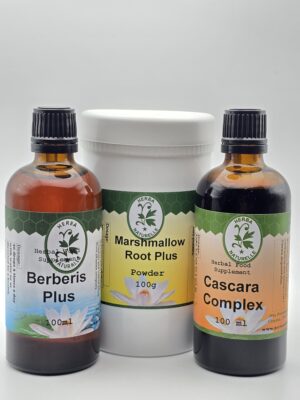
The Berberis Plus stimulates digestive secretions and restores bowel rhythm. The Marshmallow Root Plus soothes and repairs the gut lining. The Nervous System Reset Bundle addresses the gut-brain dysregulation that drives IBS in so many cases.
You can read more at About Herbal Medicine or view case scenarios from clinical practice.
Contact the clinic to discuss your digestive health.
The Herba Naturalle 3-Step Bundle
The Herba Naturalle Bundle addresses the root layers of IBS through three steps:
Step 1, Restore Digestion: The Digestive Reset Bundle restores bowel rhythm, reduces fermentation, and clears the digestive system, the essential foundation for IBS recovery.
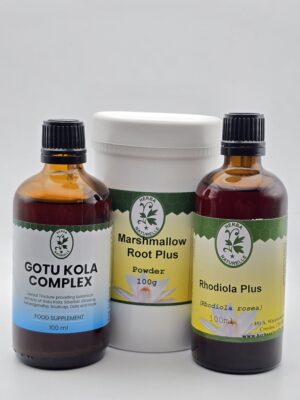
Step 2, Calm the Surface Nervous System: IBS is fundamentally a gut-brain condition. The Nervous System Reset addresses the neurological component directly.
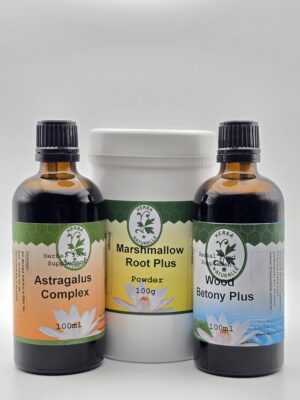
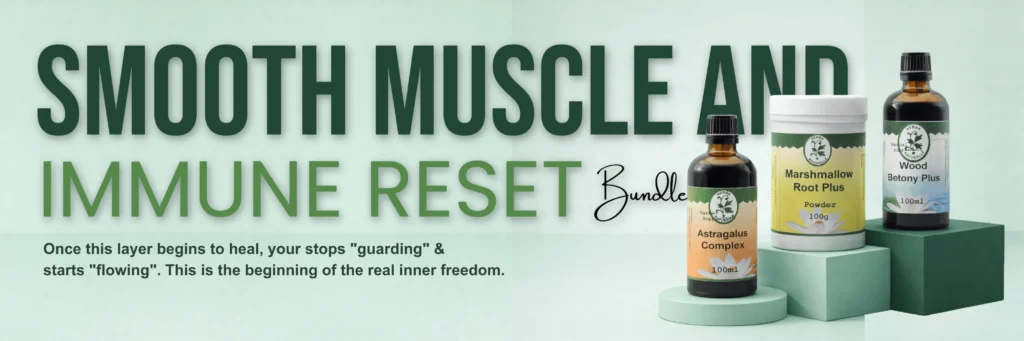
Step 3, Heal the Smooth Muscle Lining: The Smooth Muscle and Immune Reset Bundle repairs the gut wall, the structural root of IBS symptoms including visceral hypersensitivity and altered motility.
This article is for informational purposes only. Please see your GP for a formal assessment and to rule out other conditions before self-treating for IBS.
Our Trending Products & Bundles
-
 Digestive reset bundle
Original price was: £151.65.£144.95Current price is: £144.95.
Digestive reset bundle
Original price was: £151.65.£144.95Current price is: £144.95.
-
 Smooth muscle and immune reset Bundle
Original price was: £177.60.£159.95Current price is: £159.95.
Smooth muscle and immune reset Bundle
Original price was: £177.60.£159.95Current price is: £159.95.
-
 Nervous System Reset
Original price was: £163.68.£149.95Current price is: £149.95.
Nervous System Reset
Original price was: £163.68.£149.95Current price is: £149.95.
-
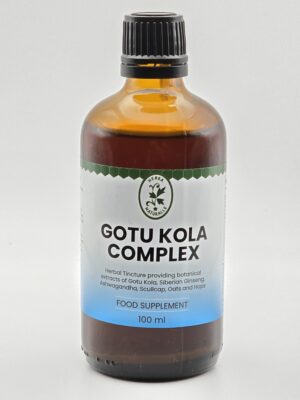 Gotu Kola Complex
£26.95
Gotu Kola Complex
£26.95

About the Author

Holistic Herbalist in UK · 30 Years of Excellence at Croydon, GB
Angela Jegnathan brings over 30 years of experience in integrated medicine and more than 25 years of full-time clinical herbal practice. Specializing in holistic herbal medicine, she focuses on restoring digestive health, calming the nervous system, and supporting the body's natural inflammatory response through evidence-based, patient-centered care.
Expertise: Holistic Herbs, Natural Medicines, Herbal Health
30 years of experience
