Spearmint (Mentha spicata): The Gentle Mint with a Hormonal Surprise
Spearmint, Mentha spicata, is the culinary mint most familiar in British kitchens, garden beds, and cocktail glasses. Its milder, sweeter character compared to Peppermint reflects a lower menthol content and a different primary active compound, carvone rather than menthol, that gives Spearmint a distinct and interesting clinical profile. Most notably, Spearmint has emerged from clinical research as a genuinely useful anti-androgenic herb for women with PCOS and hirsutism, an application that the gentle, pleasant-tasting tea makes highly accessible.
At Herba Naturalle, Spearmint is listed in the comprehensive herb index as a digestive and hormonal herb, complementary to the Shatavari Complex for female hormonal support.
Active Compounds
- Carvone (50–70% of volatile oil): the primary active compound; carminative, antispasmodic, and the source of the characteristic spearmint scent; shares antiandrogenic activity documented in research
- Limonene: antioxidant and carminative
- Rosmarinic acid: anti-inflammatory and antioxidant
- Flavonoids: luteolin and apigenin; mild anti-inflammatory
Clinical Applications
Digestive Support
Like Peppermint, Spearmint is an effective digestive carminative and antispasmodic, relieving flatulence, bloating, and intestinal spasm. Its key advantage over Peppermint is that it does NOT relax the lower oesophageal sphincter, making it safe for people with GERD and reflux who cannot use Peppermint. The Digestive Reset Bundle addresses the root digestive causes.
PCOS and Anti-Androgenic Effects
The most clinically interesting modern application. Two clinical trials have found that drinking 2 cups of spearmint tea daily for 30 days significantly reduces free testosterone and total testosterone levels in women with PCOS and hirsutism (female facial and body hair excess), while increasing luteinising hormone (LH) and follicle-stimulating hormone (FSH). The anti-androgenic mechanism is not fully characterised but appears to involve inhibition of androgen activity at the cellular level.
IBS
Spearmint’s antispasmodic carvone provides smooth muscle relaxation in the intestinal wall, relevant in IBS with abdominal spasm. Gentler than enteric-coated Peppermint oil but appropriate for mild-to-moderate IBS presentations.
Nausea
The carminative and antispasmodic properties provide mild anti-nausea benefit, a traditional use validated in several studies, particularly for chemotherapy-induced nausea when applied as aromatherapy.
Relevant Blog Posts
- Stop the Inflammation Pandemic: The Digestive System (Part 1)
- Stop the Inflammation Pandemic: Inflammation in the Female Reproductive System
- Stop the Inflammation Pandemic: Digestive System (Part 2)
- Stop the Inflammation Pandemic – The Lymphatic System
- Welcome to the Final Episode of the Inflammation Pandemic Series
How to Use
- Tea: 2–4g dried leaf steeped 10 minutes; 2–3 cups daily; for PCOS 2 cups daily is the dose studied
- Tincture (1:3): 2–4ml three times daily
Safety
- Very safe — a widely consumed food and beverage herb
- Pregnancy: Culinary amounts safe; high therapeutic doses discuss with practitioner
- Hormone-sensitive conditions: The anti-androgenic activity warrants professional guidance in complex hormonal presentations
Contact Herba Naturalle for digestive and hormonal herbal support. Browse all products and the full herb index.
This article is for informational purposes only. Please consult a qualified medical herbalist before use.
Our Trending Products & Bundles
-
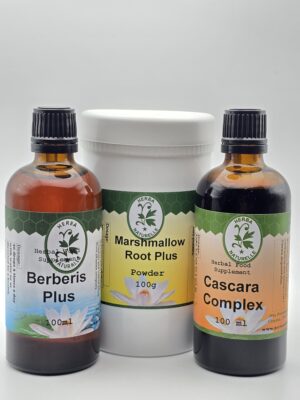 Digestive reset bundle
Original price was: £151.65.£144.95Current price is: £144.95.
Digestive reset bundle
Original price was: £151.65.£144.95Current price is: £144.95.
-
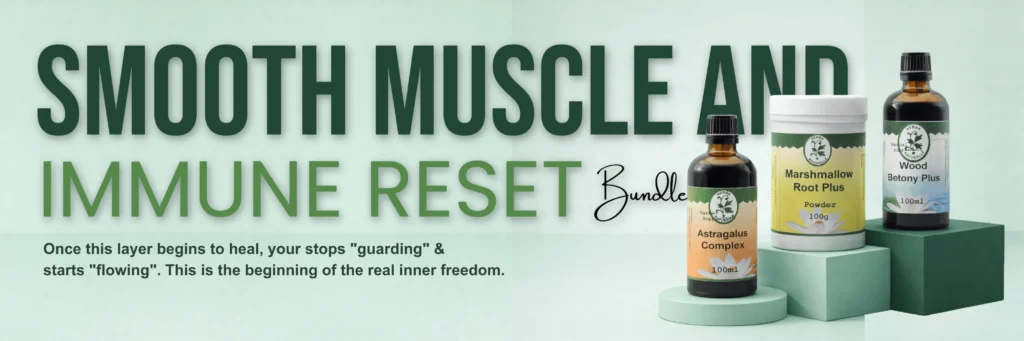
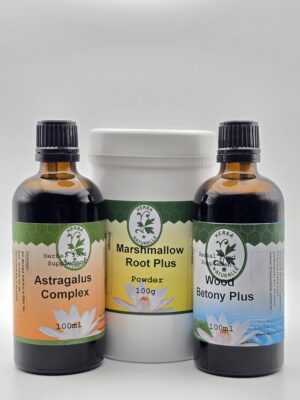 Smooth muscle and immune reset Bundle
Original price was: £177.60.£159.95Current price is: £159.95.
Smooth muscle and immune reset Bundle
Original price was: £177.60.£159.95Current price is: £159.95.
-
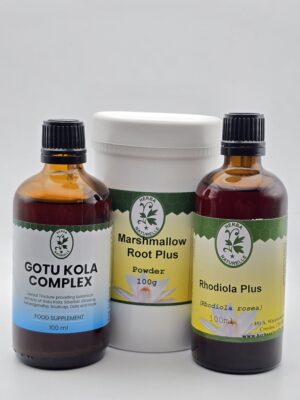 Nervous System Reset
Original price was: £163.68.£149.95Current price is: £149.95.
Nervous System Reset
Original price was: £163.68.£149.95Current price is: £149.95.
-
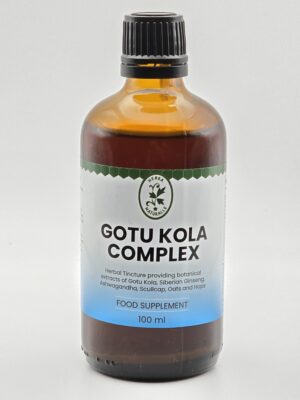 Gotu Kola Complex
£26.95
Gotu Kola Complex
£26.95

About the Author

Holistic Herbalist in UK · 30 Years of Excellence at Croydon, GB
Angela Jegnathan brings over 30 years of experience in integrated medicine and more than 25 years of full-time clinical herbal practice. Specializing in holistic herbal medicine, she focuses on restoring digestive health, calming the nervous system, and supporting the body's natural inflammatory response through evidence-based, patient-centered care.
Expertise: Holistic Herbs, Natural Medicines, Herbal Health
30 years of experience
