Gurmar (Gymnema sylvestre): The Sugar Destroyer
Gurmar, Gymnema sylvestre, has one of the most evocative and clinically revealing names in the herbal materia medica. Gurmar means “sugar destroyer” in Hindi, a reference to one of the most extraordinary and immediate pharmacological actions of any medicinal plant: when the fresh leaf is chewed, it temporarily abolishes the ability to taste sweetness for approximately 30 to 60 minutes. This remarkable property is not a curiosity but a clinical fingerpost pointing directly to Gurmar’s most important application, the management of blood sugar in type 2 diabetes.
At Herba Naturalle, Gurmar is listed in the comprehensive herb index as a specialist metabolic herb for blood sugar regulation, relevant to the digestive and metabolic foundations of health at the core of Anjela Jeganathan’s clinical approach.
The Plant and Its Ayurvedic Roots
Gurmar is a woody, climbing shrub native to the tropical forests of India, southern Africa and Australia, and it has been used in Ayurvedic medicine for nearly 2000 years, known there as Meshasringa in addition to its more familiar name. Its blood sugar lowering properties weren’t observed by Western science until the 1920s, when early studies confirmed what Ayurvedic practitioners had already recognised for centuries. That long gap between traditional use and scientific confirmation is fairly typical of Ayurvedic herbs, and it’s part of why Gurmar is now one of the better researched plants in the Ayurvedic pharmacopoeia.
Active Compounds
- Gymnemic acids, triterpenoid saponins that are structural analogues of glucose; they occupy sweet taste receptors in the mouth (temporarily blocking sweet taste) and gut (reducing glucose absorption from the intestine)
- Gurmarin, a polypeptide with additional taste modifying activity
- Stigmasterol and beta sitosterol, with hypoglycaemic and lipid lowering activity
- Quercitol, with insulin mimetic activity
Clinical Evidence and Applications
Blood Sugar Regulation in Type 2 Diabetes
The most clinically significant application, and one of the best evidenced in the Ayurvedic pharmacopoeia. Gymnemic acids reduce intestinal glucose absorption by competing with glucose at intestinal absorption sites; they stimulate pancreatic insulin secretion; they may promote regeneration of pancreatic beta cells (demonstrated in animal studies); and they improve insulin sensitivity at the cellular level. Multiple clinical trials demonstrate significant reductions in fasting glucose, post meal glucose, and HbA1c with Gymnema extract.
Relevance to Type 1 Diabetes and Insulin Sensitivity
While its best documented use is in type 2 diabetes, research also points to relevance for type 1 diabetes through its potential to support pancreatic beta cell function, and for insulin resistance more broadly. This makes it a herb worth understanding alongside conditions like PCOS, where insulin resistance is often a core driver rather than a side issue. Our dedicated guide to herbal medicine for PCOS covers this connection in more depth.
Sugar Craving Reduction
The sweet taste receptor blocking action directly reduces the desire for sweet foods, a clinically useful effect in weight management, sugar addiction, and the dietary modification aspect of diabetes management. Our broader article on herbal medicine for weight management and metabolic health places this in a wider context.
Cholesterol and Triglyceride Reduction
Gymnemic acids reduce lipid absorption from the gut and improve the overall lipid profile, reducing total cholesterol, LDL, and triglycerides while maintaining HDL.
Weight Management
The combination of reduced caloric intake (from sweet food avoidance), improved insulin sensitivity, and reduced fat absorption supports weight management in metabolic syndrome, an area closely tied to the visceral fat picture covered in our article on visceral fat and hidden fat around your organs.
How to Use
- Standardised extract (25% gymnemic acids): 400 to 800mg daily in divided doses before meals
- Tea: 2g dried leaf steeped 10 minutes, note this will temporarily suppress your ability to taste sweetness
- Best taken 20 to 30 minutes before meals to maximise glucose absorption reduction
Safety
- Blood glucose medication, critical monitoring required: Gymnema can significantly enhance the hypoglycaemic effect of insulin and oral diabetes medications; blood glucose must be monitored closely; medication doses may need reduction
- Hypoglycaemia: Use with caution in those prone to low blood sugar
- Surgery: Discontinue 2 weeks before surgery
- Pregnancy: Avoid
Frequently Asked Questions
Can Gurmar cure diabetes?
No. It’s a well researched supportive herb for blood sugar management, but it isn’t a cure or a replacement for prescribed diabetes medication. It’s generally used alongside conventional treatment, with close monitoring given how it can interact with blood glucose lowering medication.
Does Gymnema interact with metformin or insulin?
Yes, this is one of the most important safety points. Gymnema can enhance the blood sugar lowering effect of these medications, so it should only be used under professional guidance with regular blood glucose monitoring.
Is Gurmar safe to take long term?
It has a long traditional history of use, though anyone taking it alongside diabetes medication should be monitored closely and should not start or stop it without discussing it with their GP or herbalist first.
Contact Herba Naturalle for blood sugar and metabolic herbal support. Browse all products and the full herb index.
This article is for informational purposes only. If you have type 2 diabetes, always consult your GP before starting herbal supplements that affect blood glucose.
Our Trending Products & Bundles
-
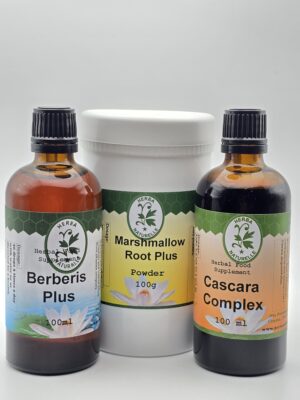 Digestive reset bundle
Original price was: £151.65.£144.95Current price is: £144.95.
-
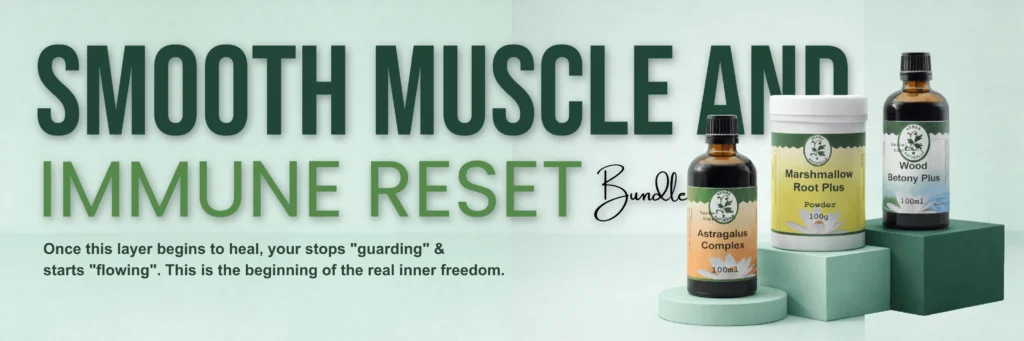
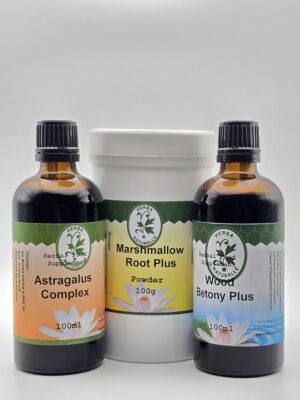 Smooth muscle and immune reset Bundle
Original price was: £177.60.£159.95Current price is: £159.95.
-
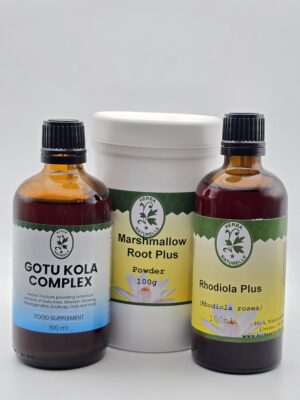 Nervous System Reset
Original price was: £163.68.£149.95Current price is: £149.95.
-
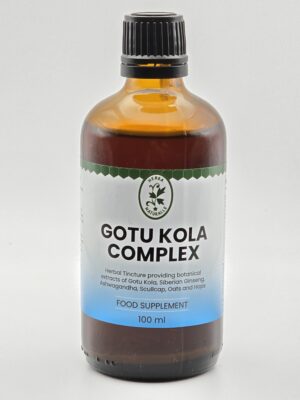 Gotu Kola Complex
£26.95

About the Author

Holistic Herbalist in UK · 30 Years of Excellence at Croydon, GB
Angela Jegnathan brings over 30 years of experience in integrated medicine and more than 25 years of full-time clinical herbal practice. Specializing in holistic herbal medicine, she focuses on restoring digestive health, calming the nervous system, and supporting the body's natural inflammatory response through evidence-based, patient-centered care.
Expertise: Holistic Herbs, Natural Medicines, Herbal Health
30 years of experience
