Haritaki Fruit (Terminalia chebula): The King of Ayurvedic Medicines
Haritaki — Terminalia chebula — is considered by the Ayurvedic tradition to be the most important of all medicinal fruits. Known as the “King of Medicines” in Tibet, where it is held by the Medicine Buddha in iconographic representations, and described in Sanskrit texts as pathya (suitable for all) and vayastha (age-stabilising), Haritaki is the supreme rejuvenative fruit of the Ayurvedic pharmacopoeia. As one of the three fruits in the legendary Triphala formula — alongside Amla and Bibhitaki — it forms one third of what may be the most widely used herbal formula in history.
At Herba Naturalle, Haritaki is listed in the comprehensive herb index as a comprehensive Ayurvedic tonic — combining remarkable antioxidant activity with digestive, bowel-regulating, and antimicrobial properties. The Digestive Reset Bundle provides the Western herbal equivalent of the digestive restoration that Haritaki initiates.
Active Compounds
- Hydrolysable tannins — chebulic acid, chebulagic acid, chebulinic acid, corilagin; the most potent antioxidant tannins identified in any plant; responsible for much of the antimicrobial and antioxidant activity
- Ellagic acid and gallic acid — antioxidant, antimicrobial, and anti-inflammatory polyphenols
- Terpenoids — arjunglucoside, arjungenin; with hepatoprotective effects
- Anthraquinone glycosides — contributing to the mild laxative action
- Sennoside — mild anthraquinone laxative compound
Clinical Applications
Digestive Tonic and Constipation
The primary application in daily Ayurvedic use. Haritaki improves bowel regularity through its mild anthraquinone laxative action, stimulates digestive secretions, and tones the intestinal mucosa. Triphala (including Haritaki) is the most widely used gentle bowel regulator in the world — its daily use for maintaining bowel health is central to Ayurvedic preventive medicine.
Antimicrobial
The chebulic acid and ellagic acid content demonstrate remarkable broad-spectrum antimicrobial activity — including against MRSA, H. pylori, and numerous intestinal pathogens. Used in gut dysbiosis protocols alongside the Berberis Plus.
Antioxidant and Anti-Ageing
Haritaki has some of the highest antioxidant values ever recorded in a plant — the chebulic acid content produces ORAC values exceeding almost all other documented natural antioxidants. This extraordinary antioxidant activity underlies much of its traditional rejuvenative reputation.
Liver Protection
Terpenoids and ellagic acid provide hepatoprotective effects — protecting against drug and toxin-induced liver injury.
Oral Health
Haritaki preparations (gargle, toothpaste) reduce dental plaque, gingivitis, and oral pathogens — with clinical evidence for benefits comparable to chlorhexidine mouthwash.
Cognitive Support
Emerging research suggests neuroprotective effects from the antioxidant and anti-inflammatory compounds — relevant to age-related cognitive decline.
How to Use
- Powder (churna): 1–3g daily in warm water, typically at night; the classic Ayurvedic use
- Tincture: 2–4ml daily
- Triphala (Haritaki + Amla + Bibhitaki) is often the most complete way to use Haritaki clinically
Safety
- Extremely safe — food and medicine for millennia
- Pregnancy: Avoid in therapeutic doses — anthraquinone and tannin content
- Diarrhoea: Reduce dose if loose stools occur
- Very dry constitutions: Traditional Ayurveda cautions against heavy Haritaki use in extremely depleted, dry states without adequate nutritional support
Contact Herba Naturalle for digestive and Ayurvedic herbal support. Browse all products and the full herb index.
This article is for informational purposes only. Please consult a qualified medical herbalist before use.
Our Trending Products & Bundles
-
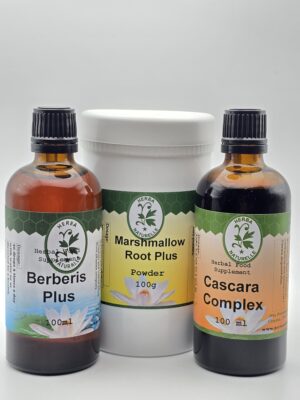 Digestive reset bundle
Original price was: £151.65.£144.95Current price is: £144.95.
Digestive reset bundle
Original price was: £151.65.£144.95Current price is: £144.95.
-
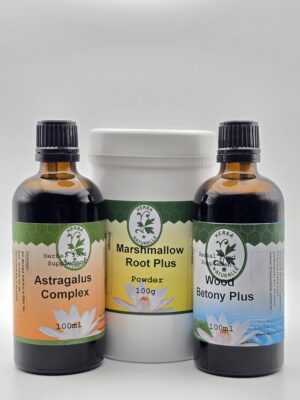 Smooth muscle and immune reset Bundle
Original price was: £177.60.£159.95Current price is: £159.95.
Smooth muscle and immune reset Bundle
Original price was: £177.60.£159.95Current price is: £159.95.
-
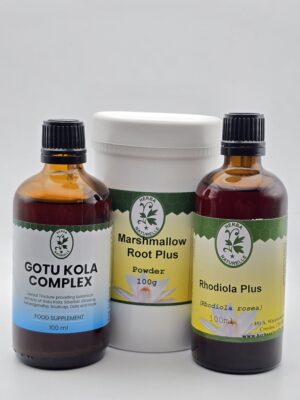 Nervous System Reset
Original price was: £163.68.£149.95Current price is: £149.95.
Nervous System Reset
Original price was: £163.68.£149.95Current price is: £149.95.
-
 Gotu Kola Complex
£26.95
Gotu Kola Complex
£26.95