
Fennel Seed (Foeniculum vulgare): The Ultimate Digestive Carminative
Fennel — Foeniculum vulgare — is one of the oldest and most universally used culinary and medicinal herbs in the world. Its feathery leaves, yellow umbrella-like flower clusters, and aromatic seeds have been used in the kitchens and dispensaries of ancient Egypt, Rome, Greece, India, and China — and remain today one of the most reliable, accessible, and evidence-supported digestive herbs available. Fennel Seed’s combination of potent carminative (gas-relieving) action, antispasmodic effects on intestinal smooth muscle, oestrogen-modulating properties, and nutritive composition places it among the most clinically useful plants in the Western materia medica.
At Herba Naturalle, Fennel Seed is listed in the comprehensive herb index as a primary digestive and carminative herb — used as a key component in digestive formulations and as a standalone remedy for the full range of digestive complaints. The Berberis Plus from Herba Naturalle incorporates Fennel Seed alongside barberry, gentian, and artichoke for a comprehensive digestive bitter and carminative formula. The Digestive Reset Bundle provides the broader clinical digestive programme.
Botanical Identity
Foeniculum vulgare is a tall (1–2m) aromatic perennial of the Apiaceae family, native to the Mediterranean but naturalised throughout Europe including Britain. The whole plant is aromatic — leaves, stems, root, and seeds all carrying the characteristic anise-like scent from the volatile oil content. The seeds (technically fruits — schizocarps) are the primary medicinal part for digestive use.
Active Compounds
- Volatile oil (2–6% of seed) — predominantly trans-anethole (50–80%), which provides the characteristic anise-like scent and the primary carminative, antispasmodic, and phyto-oestrogenic activity; also fenchone (contributing to the bitter element and some antimicrobial activity) and estragole
- Flavonoids — quercetin and kaempferol derivatives; anti-inflammatory
- Phenolic acids — chlorogenic and ferulic acid
- Fixed oil — petroselic acid and other fatty acids
- Minerals — calcium, potassium, and iron
Clinical Evidence and Applications
Flatulence, Bloating, and IBS
The most established and evidence-based application. Trans-anethole directly relaxes the smooth muscle of the intestinal wall — relieving the spasm, cramping, and gas accumulation that characterise IBS and functional bloating. German Commission E has approved Fennel Seed specifically for dyspeptic complaints and upper abdominal cramps. Clinical trials confirm significant reductions in IBS symptoms, bloating, and pain with Fennel Seed preparations.
This antispasmodic action on intestinal smooth muscle is directly relevant to the smooth muscle lining framework at the heart of Herba Naturalle’s clinical approach.
Infantile Colic
Multiple randomised clinical trials confirm that Fennel Seed tea or standardised fennel oil preparations significantly reduce crying time and colic symptoms in infants — making it one of the very few evidence-based herbal interventions for this common and distressing condition. Both a 0.1% fennel oil emulsion (studied in RCTs) and diluted fennel tea (traditional use) are effective.
Breastfeeding Support (Galactagogue)
Trans-anethole’s structural similarity to dopamine allows it to act as a dopamine antagonist — increasing prolactin secretion and thereby promoting milk production. Fennel Seed has traditional use across multiple cultures as a galactagogue (milk-promoting herb) and is widely recommended by herbalists and some midwives for establishing breastfeeding.
Oestrogen-Modulating Effects
The phyto-oestrogenic activity of trans-anethole gives Fennel Seed traditional applications in menstrual regulation, menopausal symptom relief, and the stimulation of absent or scanty periods. The Shatavari Complex provides broader female hormonal support.
Expectorant
Fennel Seed volatile oil has expectorant activity — stimulating mucus secretion from the bronchi and improving mucus clearance. Used in cough syrups and bronchitis preparations. Complementary to the Lungwort Plus.
Eye Health (External)
A tradition of using cooled Fennel Seed tea as an eye bath for tired, irritated eyes — the anti-inflammatory flavonoids and the aromatic volatile oil providing mild soothing relief.
Digestive Bitter Tonic
Fenchone contributes a mild bitter digestive tonic action — stimulating gastric secretions and bile production alongside the carminative volatile oil activity. This synergy makes Fennel Seed a more complete digestive herb than a pure carminative.
How to Use
- Seeds (chewed after meals): 1 teaspoon of seeds chewed slowly after eating — the most traditional and immediate form of carminative use
- Tea: 1–2 teaspoons of lightly crushed seeds steeped in boiling water 10–15 minutes, covered; 1–3 cups daily
- Tincture (1:3): 2–4ml three times daily before or after meals
- Standardised essential oil capsules: Used in the RCTs for IBS and infantile colic; follow manufacturer guidance
- For infantile colic: 1 teaspoon of very dilute, weak fennel tea (significantly less than adult strength) — always discuss with a midwife or paediatrician first
Safety
Fennel Seed is one of the safest herbs available — used as a food worldwide and by nursing mothers across many cultures for generations:
- Pregnancy: Avoid high medicinal doses — the phyto-oestrogenic activity is a precautionary contraindication for therapeutic doses; culinary use as a food is generally considered safe
- Hormone-sensitive conditions: The phyto-oestrogenic activity warrants discussion with a practitioner in oestrogen-receptor-positive cancers
- Estragole: Present in the volatile oil; there are theoretical concerns about estragole at very high doses; not a practical concern at normal culinary and therapeutic doses
- Apiaceae allergy: Cross-reactivity with carrot, celery, coriander — rare
- Epilepsy: High-dose fenchone has theoretical proconvulsant effects — use with professional guidance in epilepsy
Contact Herba Naturalle for personalised digestive herbal support. Browse the complete herb index, the herbal medicine philosophy, and the full product range.
This article is for informational purposes only. Please consult a qualified medical herbalist or GP before use, particularly regarding infantile colic or breastfeeding applications.
Our Trending Products & Bundles
-
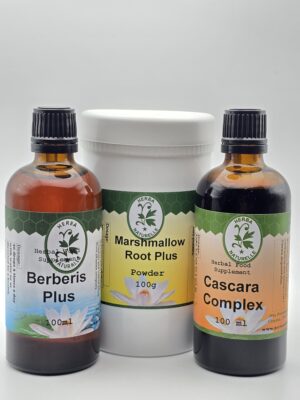 Digestive reset bundle
Original price was: £151.65.£144.95Current price is: £144.95.
Digestive reset bundle
Original price was: £151.65.£144.95Current price is: £144.95.
-
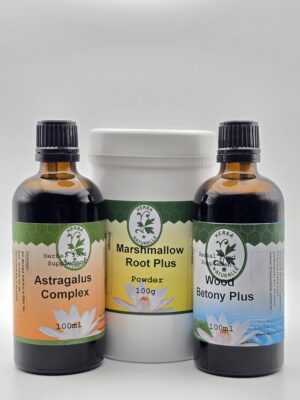 Smooth muscle and immune reset Bundle
Original price was: £177.60.£159.95Current price is: £159.95.
Smooth muscle and immune reset Bundle
Original price was: £177.60.£159.95Current price is: £159.95.
-
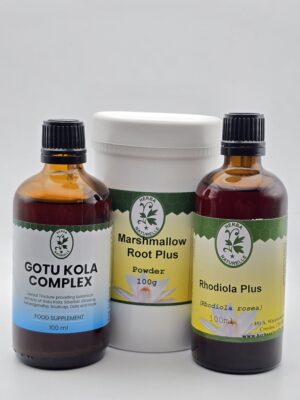 Nervous System Reset
Original price was: £163.68.£149.95Current price is: £149.95.
Nervous System Reset
Original price was: £163.68.£149.95Current price is: £149.95.
-
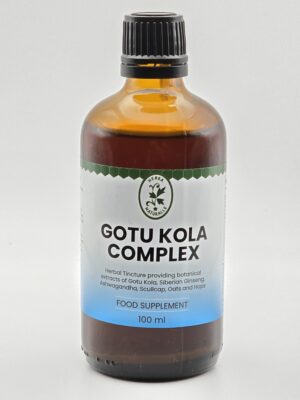 Gotu Kola Complex
£26.95
Gotu Kola Complex
£26.95