
Black Pepper (Piper nigrum): The Bioavailability Booster
Black Pepper — Piper nigrum — is so familiar as a culinary spice that its medicinal significance is routinely overlooked. Yet in both the Ayurvedic tradition (where it is one of the three herbs in the foundational formula Trikatu, alongside long pepper and ginger) and in modern pharmacology, black pepper occupies a uniquely important position. Its primary alkaloid, piperine, is the subject of hundreds of studies — and its most remarkable and clinically significant property is its ability to dramatically increase the bioavailability of other substances, including nutrients and herbal compounds.
At Herba Naturalle, Black Pepper is listed in the comprehensive herb index as a herb that operates not only in its own right as a digestive and anti-inflammatory agent, but as a synergist that enhances the clinical effectiveness of the herbal formulations used in clinical practice.
Botanical Identity
Piper nigrum is a climbing vine of the Piperaceae family, native to South India (particularly Kerala) and widely cultivated throughout tropical Asia. The small, round berries — initially green, ripening through yellow to red — are harvested at different stages to produce different pepper products: black pepper (dried unripe berries), white pepper (ripe berries with outer skin removed), and green pepper (fresh unripe berries). The whole dried berry is used medicinally; the seed and fruit wall together contain the piperine.
Active Compounds
- Piperine (5–9% of dry weight) — the primary alkaloid; responsible for the pungent taste and the majority of the therapeutic activity
- Piperin-related alkaloids — chavicine and other related compounds
- Essential oil — including beta-caryophyllene, limonene, alpha-pinene, and sabinene; contributing carminative and anti-inflammatory activity
- Oleoresins — piperine-containing resinous compounds
- Antioxidants — flavonoids, phenolic acids
Piperine and Bioavailability Enhancement
The most clinically significant property of piperine is its ability to inhibit drug-metabolising enzymes (particularly CYP3A4 and P-glycoprotein) in the intestinal wall and liver — the same enzymatic machinery that normally metabolises and eliminates substances before they reach the systemic circulation. By temporarily reducing this metabolic clearance, piperine allows much higher blood levels of co-administered compounds to be achieved.
Documented bioavailability enhancement by piperine includes:
- Curcumin (turmeric): 20-fold increase in bioavailability — the best-known example
- Resveratrol: Significant enhancement
- Selenium and beta-carotene: Improved absorption
- Various pharmaceutical drugs: Important drug interaction consideration (see Safety)
This property explains why black pepper is included in many herbal and nutritional formulations — it is effectively amplifying the clinical impact of every other active compound present.
Digestive Applications
Carminative: Black pepper’s volatile oils relax the intestinal smooth muscle, relieving gas, bloating, and intestinal spasm — a carminative action shared with fennel, ginger, and other aromatic digestive herbs.
Digestive stimulant: Piperine stimulates hydrochloric acid secretion in the stomach, improving protein digestion and the overall digestive fire — directly relevant to the digestive focus of the Berberis Plus and Digestive Reset Bundle at Herba Naturalle.
Thermogenic: Black pepper increases thermogenesis (metabolic heat production), contributing to its traditional use in weight management support and the warming of cold, sluggish constitutions.
Anti-inflammatory and Antioxidant Effects
Piperine inhibits NF-κB — the master inflammatory transcription factor — and demonstrates significant antioxidant capacity. These effects are relevant in systemic inflammatory conditions, and they compound the anti-inflammatory effects of the herbs that piperine also enhances.
Safety — Critical Drug Interaction Warning
The bioavailability-enhancing property of piperine is simultaneously its most useful clinical feature and its most important safety consideration. Because piperine inhibits drug-metabolising enzymes, it can significantly increase blood levels of co-administered pharmaceutical drugs, including:
- Cyclosporine (transplant immunosuppressant) — potentially dangerous
- Phenytoin (anti-epileptic) — potentially dangerous
- Propranolol (beta-blocker)
- Theophylline (respiratory)
- Various statins
Anyone taking prescription medication should consult their doctor or pharmacist before taking concentrated piperine supplements. Culinary amounts of black pepper are safe.
Explore the philosophy of herbal medicine at Herba Naturalle, browse the complete herb index, contact the clinic for personalised advice, and explore all products.
This article is for informational purposes only. If you take prescription medication, consult your GP before taking concentrated black pepper supplements.
Our Trending Products & Bundles
-
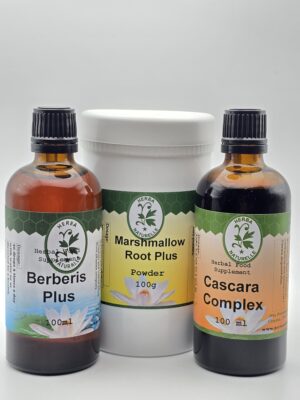 Digestive reset bundle
Original price was: £151.65.£144.95Current price is: £144.95.
Digestive reset bundle
Original price was: £151.65.£144.95Current price is: £144.95.
-
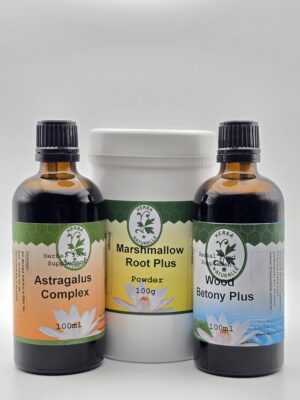 Smooth muscle and immune reset Bundle
Original price was: £177.60.£159.95Current price is: £159.95.
Smooth muscle and immune reset Bundle
Original price was: £177.60.£159.95Current price is: £159.95.
-
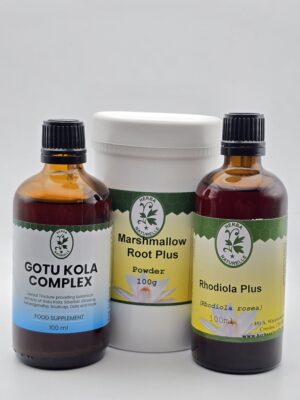 Nervous System Reset
Original price was: £163.68.£149.95Current price is: £149.95.
Nervous System Reset
Original price was: £163.68.£149.95Current price is: £149.95.
-
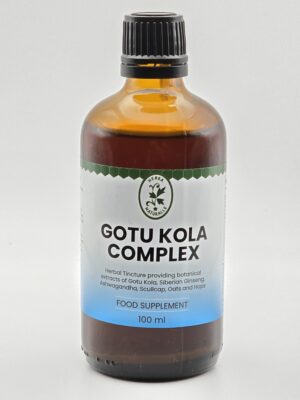 Gotu Kola Complex
£26.95
Gotu Kola Complex
£26.95