Black Willow Bark (Salix nigra): The Original Anti-Inflammatory
Black Willow Bark — Salix nigra — carries one of the most significant places in the history of both herbal and conventional medicine. Willow bark was the original source from which salicin was isolated in 1827, which was subsequently chemically modified to produce acetylsalicylic acid — aspirin — in 1899. Before aspirin, willow bark had been used for thousands of years across multiple cultures as a pain reliever, anti-inflammatory, and fever reducer.
The relationship between willow bark and aspirin is both illuminating and instructive: while aspirin (acetylsalicylic acid) produces rapid, potent analgesia, it also causes gastric bleeding in a significant proportion of users. Willow bark — containing salicin and related salicylates rather than acetylsalicylic acid — produces slower, gentler, and more sustained anti-inflammatory and analgesic effects, and clinical trials show it is significantly less damaging to the gastric mucosa than aspirin.
At Herba Naturalle, Black Willow Bark sits in the comprehensive herb index as a foundational anti-inflammatory and pain-relieving herb with a long and distinguished clinical history.
Botanical Identity
Salix nigra is the North American Black Willow — a large, fast-growing tree of river banks and moist lowland areas, native to eastern North America. It is distinguished from White Willow (Salix alba) — the European equivalent — by its bark colour, habitat preference, and slightly different salicylate profile, though both are used medicinally for the same applications. The bark is the medicinal part, harvested in spring when the salicylate content is highest.
Active Compounds and Mechanism
- Salicin — the primary active compound; absorbed from the gut and converted by intestinal bacteria and hepatic enzymes to salicylates, which inhibit COX-1 and COX-2 enzymes (the same mechanism as aspirin, but gentler)
- Related phenolic glycosides — fragilin, picein, triandrin, vimalin; contributing to the overall salicylate activity
- Polyphenols — tannins, flavonoids (quercetin, naringenin, isoquercitrin); anti-inflammatory and antioxidant
- Catechins — with additional anti-inflammatory effects independent of the salicylate mechanism
Clinical Evidence and Applications
Osteoarthritis and joint pain: Multiple randomised controlled trials have demonstrated significant pain reduction with Willow Bark extract in osteoarthritis of the hip and knee — comparable to low-dose aspirin and NSAIDs for mild-to-moderate joint pain, with fewer gastric side effects.
Lower back pain: A landmark Cochrane-reviewed RCT found that Willow Bark extract (standardised to 240mg salicin daily) produced significant pain reduction in non-specific lower back pain — superior to placebo and comparable to the COX-2 inhibitor rofecoxib in a head-to-head comparison.
Fever: Traditional use as a febrifuge is supported by its salicylate mechanism — inhibiting prostaglandin synthesis in the hypothalamic thermoregulatory centre.
Headache: Used for mild-to-moderate tension headache and migraine support.
Dysmenorrhoea: Anti-inflammatory and antispasmodic properties are relevant in painful periods.
Willow Bark vs Aspirin
| Willow Bark | Aspirin | |
|---|---|---|
| Active compound | Salicin (converted to salicylate) | Acetylsalicylic acid |
| Onset of action | Slower (1–2 hours) | Rapid (30 minutes) |
| Gastric risk | Lower | Higher (GI bleeding) |
| Antiplatelet effect | Mild | Strong (not interchangeable for cardiac protection) |
| Duration | More sustained | Shorter |
Preparation and Dosage
- Standardised extract (240mg salicin daily): The most evidence-backed dose for pain and anti-inflammatory use
- Tincture (1:3): 5–8ml three times daily
- Decoction: 2–3g dried bark simmered 15 minutes, 2–3 cups daily
Safety
- Aspirin allergy: Do not use willow bark — cross-reactivity with salicylates
- Anticoagulants (warfarin, aspirin): Mild additive antiplatelet effect — professional guidance recommended
- Children: Reye’s syndrome risk with salicylates in children with viral illness — avoid in children under 16 during febrile illness
- Pregnancy: Avoid — salicylates have uterine effects and are associated with perinatal complications
- NSAID sensitivity or peptic ulcer: Use with professional guidance, though willow bark is significantly better tolerated than NSAIDs
Browse the Herba Naturalle herb index for the complete materia medica. Contact the clinic for personalised pain and anti-inflammatory support. Explore all products.
This article is for informational purposes only. Please consult your GP or a qualified medical herbalist for personal health advice.
Our Trending Products & Bundles
-
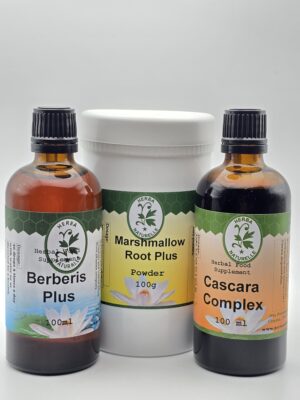 Digestive reset bundle
Original price was: £151.65.£144.95Current price is: £144.95.
Digestive reset bundle
Original price was: £151.65.£144.95Current price is: £144.95.
-
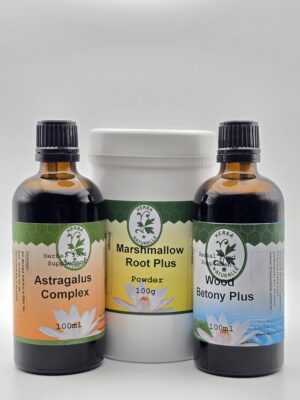 Smooth muscle and immune reset Bundle
Original price was: £177.60.£159.95Current price is: £159.95.
Smooth muscle and immune reset Bundle
Original price was: £177.60.£159.95Current price is: £159.95.
-
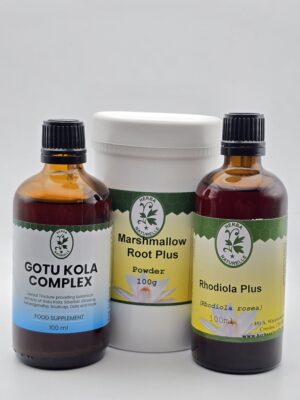 Nervous System Reset
Original price was: £163.68.£149.95Current price is: £149.95.
Nervous System Reset
Original price was: £163.68.£149.95Current price is: £149.95.
-
 Gotu Kola Complex
£26.95
Gotu Kola Complex
£26.95