Bilberry Leaf (Vaccinium myrtilis fol): The Metabolic and Urinary Herb
While Bilberry Berries are celebrated for their anthocyanin-rich antioxidant and eye-health properties, Bilberry Leaf — the dried leaves of the same Vaccinium myrtilis plant — has a distinct set of clinical applications centred on blood sugar regulation, urinary tract health, and astringent digestive action. This distinction between berry and leaf is an important example of how different parts of the same plant can have different clinical characters — a principle well understood in the clinical herbal medicine approach at Herba Naturalle.
At Herba Naturalle, both Bilberry Berries and Bilberry Leaf are listed separately in the comprehensive herb index, reflecting the clinical significance of this distinction.
Active Compounds in Bilberry Leaf
The leaf contains a different phytochemical profile from the berries:
- Arbutin (similar to Bearberry Leaf) — a hydroquinone glycoside with urinary antiseptic activity; present in significant quantities, though at lower concentrations than in Bearberry Leaf
- Anthocyanins — present in smaller quantities than in the berry; still contribute antioxidant activity
- Tannins — gallotannins providing astringent action
- Chlorogenic acid — with blood-glucose-lowering and antioxidant activity
- Neomyrtillin and myrtillin — chromium-containing compounds that appear to improve insulin function and reduce blood glucose
- Ericolin — an arbutin-like glycoside with mild urinary antiseptic activity
Clinical Applications
Blood sugar regulation: The most significant application of Bilberry Leaf distinct from the berry. The chromium-containing glycosides (particularly neomyrtillin) act similarly to chromium supplements in enhancing insulin sensitivity. Historical use of Bilberry Leaf as a “herbal insulin” in pre-pharmaceutical diabetes management reflects this genuine hypoglycaemic activity. Bilberry Leaf has been used in clinical herbal practice for type 2 diabetes support, insulin resistance, and metabolic syndrome.
Urinary tract health: The arbutin content of Bilberry Leaf provides mild urinary antiseptic activity — less potent than Bearberry Leaf but useful in mild urinary tract conditions and as a supportive herb in urinary health maintenance. The Cornsilk Plus and Couch Grass Complex from Herba Naturalle provide complementary urinary support.
Diarrhoea: The tannin content provides astringent action on the intestinal mucosa — relevant in diarrhoea and IBS-D presentations. The Digestive Reset Bundle provides deeper digestive support.
General antioxidant: The residual anthocyanin and polyphenol content provides meaningful antioxidant activity, supporting cardiovascular and general cellular health.
Preparation
- Tea: 2–3g dried leaf steeped 10 minutes, 2–3 cups daily; mild, slightly astringent taste
- Tincture (1:3): 2–4ml three times daily
Safety
- Diabetes medication: May enhance blood glucose-lowering effect — monitor blood glucose levels carefully
- Pregnancy: The arbutin content warrants caution — best avoided in therapeutic doses
- Extended use: Long-term use should be monitored by a healthcare professional due to the hydroquinone-related compounds
- Do not confuse with Bilberry Berries, which have different dosing and applications
Explore the Herba Naturalle herb index to understand the full range of botanical medicines, contact the clinic for personalised guidance, and browse the complete product range.
This article is for informational purposes only. Please consult a qualified medical herbalist before use, particularly if you have diabetes or take blood glucose medication.
Our Trending Products & Bundles
-
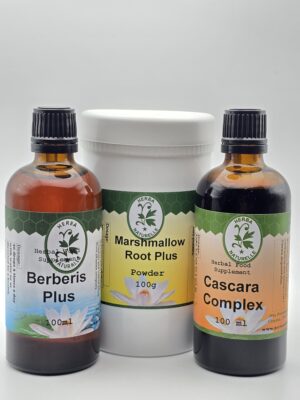 Digestive reset bundle
Original price was: £151.65.£144.95Current price is: £144.95.
Digestive reset bundle
Original price was: £151.65.£144.95Current price is: £144.95.
-
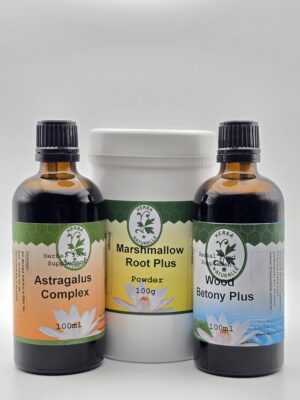 Smooth muscle and immune reset Bundle
Original price was: £177.60.£159.95Current price is: £159.95.
Smooth muscle and immune reset Bundle
Original price was: £177.60.£159.95Current price is: £159.95.
-
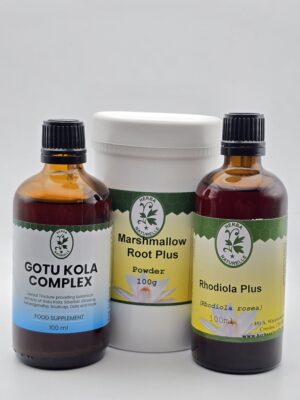 Nervous System Reset
Original price was: £163.68.£149.95Current price is: £149.95.
Nervous System Reset
Original price was: £163.68.£149.95Current price is: £149.95.
-
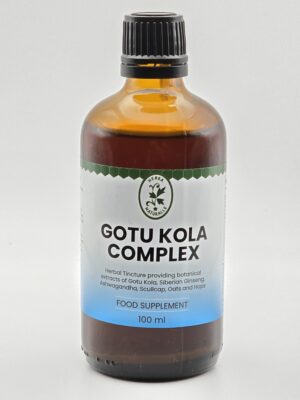 Gotu Kola Complex
£26.95
Gotu Kola Complex
£26.95