Bambusa (Bambusa arundinacea): Bamboo as Medicine
Bamboo — Bambusa arundinacea — is one of the world’s most recognisable plants, yet its medicinal applications remain little known in the West. In Ayurvedic medicine, where it is known as Vanshalochan or Tvak-Kshira (bamboo manna), bamboo has been used for centuries as a cooling, anti-inflammatory, tonic herb — particularly for respiratory conditions, as a source of bioavailable silica for connective tissue health, and as a restorative for debility and wasting conditions.
At Herba Naturalle, Bambusa is included in the 224-herb index as an example of the breadth of the Ayurvedic and Eastern herbal tradition that informs the clinical work — a plant medicine that offers nutritional and therapeutic properties rarely discussed in Western herbal contexts.
Botanical Identity and Medicinal Parts
Bambusa arundinacea is a giant woody grass of the Poaceae family, native to India and Sri Lanka. It can grow to 30 metres and is one of the largest bamboo species. Multiple parts are used medicinally:
- Tabasheer (Bansalochan) — the siliceous concretion found in the hollow internodes of the bamboo stem; the most prized medicinal part in Ayurveda, used in classical Ayurvedic preparations
- Young leaves and shoots — eaten as food and used medicinally for their cooling and anti-inflammatory properties
- Root — used in traditional preparations for fevers
- Bark exudate — used in external preparations
Active Compounds
- Silica (silicon dioxide) — Bamboo contains one of the highest concentrations of bioavailable silica of any plant; silica is essential for collagen synthesis, bone mineralisation, skin elasticity, hair strength, and connective tissue integrity
- Flavonoids — isoorientin, orientin, vitexin, and isovitexin; with antioxidant and anti-inflammatory activity
- Phenolic acids — chlorogenic acid and ferulic acid
- Amino acids — including lysine and methionine; important for connective tissue protein synthesis
- Minerals — potassium, calcium, phosphorus alongside the dominant silica
Clinical Applications
Respiratory health: In Ayurvedic medicine, Tabasheer (bamboo silica) is specifically used for respiratory conditions — particularly dry, irritating coughs, bronchitis, and conditions characterised by heat and inflammation in the respiratory tract. It is classified as Shwasahara (anti-asthmatic) and Kasahara (anti-cough). The cooling and anti-inflammatory properties calm irritated respiratory mucosa. The Lungwort Plus from Herba Naturalle provides complementary lower respiratory support.
Connective tissue and bone health: The exceptionally high bioavailable silica content makes Bambusa one of the most significant plant sources of silicon for collagen synthesis, bone density maintenance, and connective tissue health. Silica is increasingly recognised as critical to bone health alongside calcium — the two nutrients work synergistically in bone mineralisation.
Skin, hair, and nails: Silica is essential for the structural proteins of skin, hair, and nails. Bambusa-derived silica offers a plant-based source for nutritional supplementation in these areas.
Fever: The cooling nature of Bambusa in Ayurvedic classification makes it useful in febrile conditions as a cooling tonic.
Digestive health: Young bamboo shoots are a significant source of dietary fibre and have prebiotic properties supporting the gut microbiome — complementing the digestive support of the Digestive Reset Bundle.
Safety
Bambusa is extremely safe as a food and tonic herb. Tabasheer (bamboo silica) is similarly well tolerated. No significant contraindications at therapeutic doses. Young bamboo shoots should be cooked before consumption to remove small amounts of naturally occurring cyanogenic glycosides.
Explore the Herba Naturalle herb index for the full botanical materia medica, and the philosophy of herbal medicine that informs Anjela Jeganathan’s clinical work. Contact Herba Naturalle or browse all products.
This article is for informational purposes only. Please consult a qualified practitioner before using herbal medicines.
Our Trending Products & Bundles
-
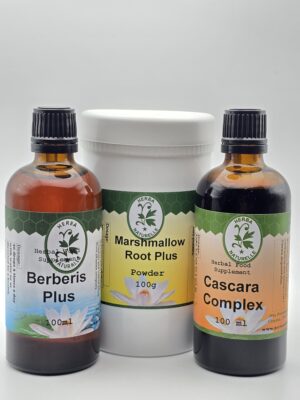 Digestive reset bundle
Original price was: £151.65.£144.95Current price is: £144.95.
Digestive reset bundle
Original price was: £151.65.£144.95Current price is: £144.95.
-
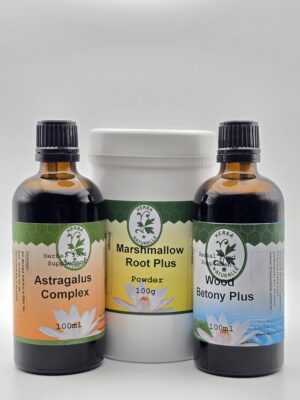 Smooth muscle and immune reset Bundle
Original price was: £177.60.£159.95Current price is: £159.95.
Smooth muscle and immune reset Bundle
Original price was: £177.60.£159.95Current price is: £159.95.
-
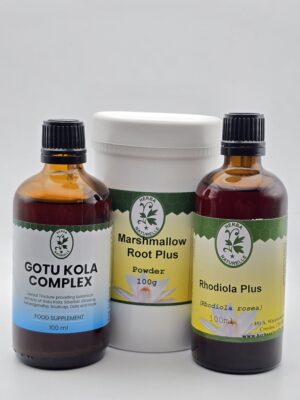 Nervous System Reset
Original price was: £163.68.£149.95Current price is: £149.95.
Nervous System Reset
Original price was: £163.68.£149.95Current price is: £149.95.
-
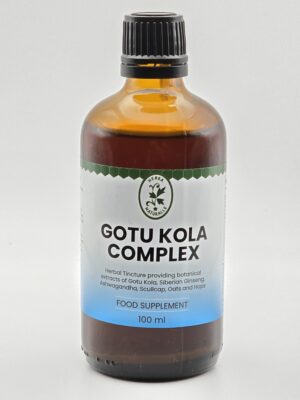 Gotu Kola Complex
£26.95
Gotu Kola Complex
£26.95