Barberry Bark (Berberis vulgaris): The Berberine Herb
Barberry — Berberis vulgaris — is a spiny deciduous shrub native to Europe, Western Asia, and North Africa, long used in Western herbal medicine for its powerful bitter, hepatic, antimicrobial, and digestive properties. Its primary claim to clinical significance in the modern evidence base is its exceptionally high content of berberine — one of the most extensively researched plant alkaloids, with documented effects on gut health, liver function, blood glucose regulation, and antimicrobial activity.
At Herba Naturalle, Barberry Bark is the central ingredient of the Berberis Plus formulation — the clinical digestive and liver tonic used as a foundational component of the Digestive Reset Bundle. It is listed in the comprehensive herb index alongside its close relative Oregon Grape Root (Berberis aquifolium), which shares much of the same alkaloid chemistry.
Botanical Identity
Berberis vulgaris is a thorny shrub growing to 3 metres, found across Europe in hedgerows, scrubland, and woodland margins. It produces small oval leaves, bright yellow flowers in drooping racemes, and distinctive elongated red berries. The bark of the root and stem is the primary medicinal part — intensely yellow due to the berberine content.
Berberine: The Central Active Compound
Berberine is an isoquinoline alkaloid found in high concentrations in Barberry Bark, and also in Golden Seal (Hydrastis canadensis), Oregon Grape, and Coptis chinensis. Its yellow colour is immediately visible in tinctures and preparations. Berberine has been the subject of thousands of clinical studies, with established effects including:
- Antimicrobial activity — broad-spectrum activity against bacteria including H. pylori, Staphylococcus, Escherichia coli, Candida species, and intestinal parasites
- Blood glucose reduction — activates AMPK (the same cellular energy sensor targeted by the diabetes drug metformin), improving insulin sensitivity and reducing post-meal glucose rises; clinical trials show effects comparable to metformin
- Cholesterol reduction — inhibits PCSK9 (the same pathway targeted by PCSK9 inhibitor drugs), increasing LDL receptor expression and improving lipid clearance
- Gut microbiome modulation — reduces pathogenic and opportunistic bacteria while supporting the growth of beneficial species
- Anti-inflammatory — inhibits NF-κB, reducing systemic inflammatory signalling
- Liver protection — hepatoprotective and liver-enzyme-normalising effects
Clinical Applications in Practice
Digestive infections and IBS: Berberine’s antimicrobial action specifically targets the gut — reducing overgrowth of pathogenic and opportunistic bacteria, addressing H. pylori associated gastritis, and reducing the bacterial dysbiosis underlying many IBS presentations. The Berberis Plus brings this action together with additional digestive herbs.
Bile stimulation and liver support: Barberry Bark is a powerful choleretic (bile-stimulating) bitter — the alkaloid content directly stimulates bile production in hepatocytes and bile flow from the gallbladder. This improves fat digestion, liver clearance, and the downstream detoxification that depends on adequate bile production.
Type 2 diabetes and metabolic syndrome: Clinical trials have consistently shown that berberine reduces fasting blood glucose, post-meal glucose, and HbA1c in people with type 2 diabetes — effects comparable to pharmaceutical first-line treatment in several head-to-head studies.
Candida and SIBO: Berberine’s anti-fungal and antibacterial activity makes Barberry Bark relevant in small intestinal bacterial overgrowth (SIBO) and Candida overgrowth — both increasingly recognised contributors to digestive dysfunction.
Safety
- Pregnancy: Contraindicated — berberine has uterine-stimulating activity and may cross the placenta
- Breastfeeding: Avoid — berberine passes into breast milk
- Newborns and infants: Contraindicated
- Blood glucose medications: May enhance hypoglycaemic effect — monitor blood glucose
- Warfarin: Potential interaction — monitor INR
Contact Herba Naturalle to discuss Barberry Bark and digestive herbal support. Browse all products and the herbal medicine philosophy.
This article is for informational purposes only. Please consult a qualified medical herbalist or GP before use.
Our Trending Products & Bundles
-
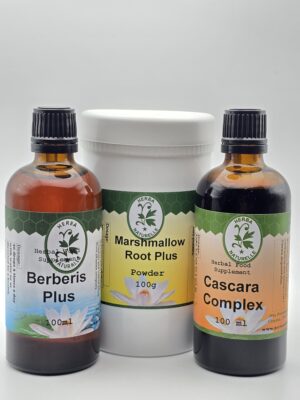 Digestive reset bundle
Original price was: £151.65.£144.95Current price is: £144.95.
Digestive reset bundle
Original price was: £151.65.£144.95Current price is: £144.95.
-
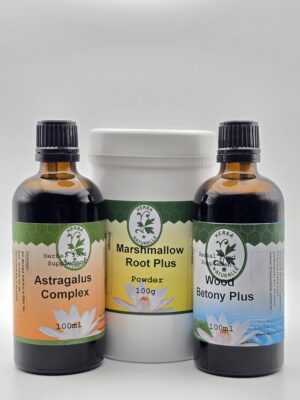 Smooth muscle and immune reset Bundle
Original price was: £177.60.£159.95Current price is: £159.95.
Smooth muscle and immune reset Bundle
Original price was: £177.60.£159.95Current price is: £159.95.
-
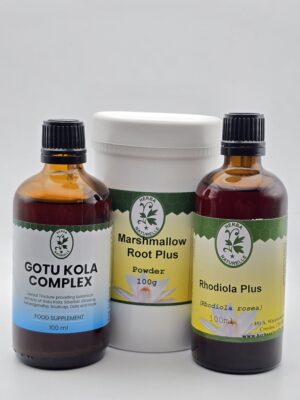 Nervous System Reset
Original price was: £163.68.£149.95Current price is: £149.95.
Nervous System Reset
Original price was: £163.68.£149.95Current price is: £149.95.
-
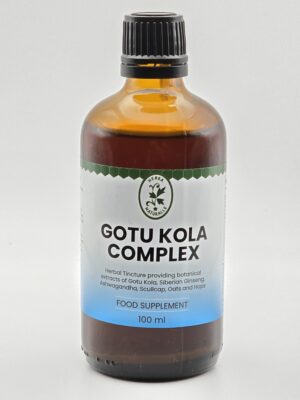 Gotu Kola Complex
£26.95
Gotu Kola Complex
£26.95