
Ashwagandha Root: Benefits, Evidence and How to Use It
Ashwagandha has emerged from relative obscurity in Western herbal medicine to become one of the most widely discussed and used herbal supplements in the UK. Its reputation as an adaptogen, a herb that helps the body cope with physical and psychological stress, is supported by a growing body of clinical research. This guide provides a comprehensive, evidence-based overview of ashwagandha root: what it does, how to use it, and what to be aware of.
What Is Ashwagandha?
Ashwagandha (Withania somnifera) is a small woody shrub native to India, the Middle East, and parts of North Africa. It belongs to the nightshade family (Solanaceae). In Ayurvedic medicine, the traditional system of medicine practised in India for over 3,000 years, ashwagandha is classified as a rasayana: a rejuvenative tonic used to restore vitality, promote longevity, and enhance resilience to stress.
The word “ashwagandha” comes from Sanskrit and translates roughly as “smell of horse”, a reference to both the root’s distinctive earthy smell and its traditional association with the strength and stamina of a horse.
Active Compounds in Ashwagandha Root
The primary active constituents are withanolides, a class of naturally occurring steroidal lactones unique to the Withania genus. Key withanolides include withaferin A and withanolide D, which appear to be responsible for many of the herb’s anti-inflammatory, neuroprotective, and adaptogenic effects.
Ashwagandha also contains:
- Alkaloids (including isopelletierine and anaferine)
- Saponins (sitoindosides)
- Iron, contributing to its traditional use for fatigue and anaemia
What Does the Clinical Evidence Show?
Stress and cortisol reduction: This is the most well-studied application of ashwagandha. Multiple randomised controlled trials using standardised ashwagandha extracts (particularly KSM-66 and Sensoril, two proprietary full-spectrum extracts) have shown statistically significant reductions in perceived stress scores, serum cortisol levels, and anxiety symptoms compared to placebo. A 2012 study in the Indian Journal of Psychological Medicine found a 28% reduction in serum cortisol in the ashwagandha group.
Sleep quality: Ashwagandha has been shown in two recent RCTs to significantly improve sleep quality, sleep onset latency, and morning alertness. The active compound triethylene glycol appears to be primarily responsible for the sleep-promoting effects.
Physical performance and muscle strength: Several trials in athletic populations have found ashwagandha supplementation associated with greater improvements in muscle mass, strength, and recovery compared to placebo. This is consistent with its traditional use for physical vitality.
Thyroid function: Preliminary research suggests ashwagandha may support thyroid hormone levels (T3 and T4) in people with subclinical hypothyroidism. This makes it a potential complement to thyroid support, but also means it should be used with caution in people with hyperthyroidism or on thyroid medication.
Male fertility and testosterone: Several trials have found associations between ashwagandha supplementation and improved sperm quality, testosterone levels, and overall male reproductive health, consistent with its traditional Ayurvedic use.
Cognitive function: Early-phase clinical trials suggest ashwagandha may improve memory, attention, and processing speed, particularly under conditions of psychological stress.
How to Take Ashwagandha Root
Forms available in the UK:
- Root powder (added to drinks, smoothies, or food)
- Capsules or tablets containing root powder or extract
- Liquid tincture (root extract in alcohol base)
- Standardised extracts (KSM-66, Sensoril), the most researched forms
Typical doses used in clinical trials:
- Root powder: 3–6g daily
- Standardised extract (KSM-66 or Sensoril): 300–600mg daily
- Tincture: follow supplier dosage guidance
Ashwagandha is typically taken once daily, often in the evening given its mild sleep-promoting effects. It can be taken with food to reduce the possibility of mild gastric discomfort.
Safety and Contraindications
Ashwagandha has a well-established safety profile at recommended doses. However:
- Thyroid conditions: Ashwagandha appears to increase T3 and T4 levels, use with caution in hyperthyroidism or if taking thyroid medication; monitor thyroid function
- Pregnancy: Avoid during pregnancy, ashwagandha has traditionally been used as an abortifacient in high doses
- Autoimmune conditions: Ashwagandha may stimulate immune function; use with caution in autoimmune conditions and when taking immunosuppressant medications
- Sedatives: May enhance the sedative effects of sleep medication or benzodiazepines
- Rare liver toxicity: A small number of case reports of liver injury associated with ashwagandha supplementation have been published. While rare, this is a consideration for those with pre-existing liver disease.
- Duration: Most clinical trials have studied ashwagandha for periods of 8–12 weeks. Longer-term use is common in traditional practice but has less formal safety data.
Ashwagandha at Herba Naturalle
At Herba Naturalle, ashwagandha is a key ingredient in the Gotu Kola Complex, the grounding and nervous system support formula included in the Nervous System Reset Bundle. It is combined synergistically with gotu kola, Siberian ginseng, oats, scullcap, and hops for a comprehensive adaptogenic and nervine formula.
The Gokshura & Ashwagandha Plus is a specific male vitality formula combining ashwagandha with Gokshura (Tribulus terrestris), Siberian ginseng, and other herbs traditionally used for male energy, stamina, and reproductive health.
Explore more at About Herbal Medicine or contact the clinic for personalised advice.
The Herba Naturalle 3-Step Bundle
The Herba Naturalle Bundle incorporates ashwagandha as part of a comprehensive three-step healing approach:
Step 1, Restore Digestion: A healthy gut is needed to absorb ashwagandha’s active compounds effectively. The Digestive Reset Bundle creates this foundation.
Step 2, Calm the Surface Nervous System: The Nervous System Reset, featuring ashwagandha in the Gotu Kola Complex, delivers the adaptogenic and nervine support ashwagandha is best known for.
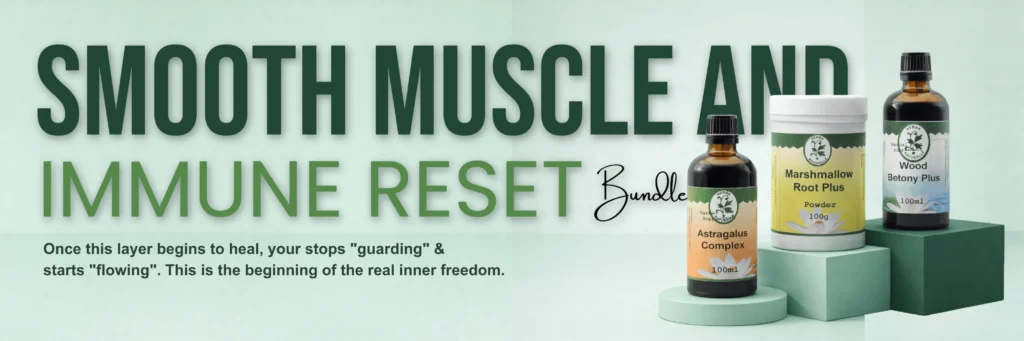
Step 3, Heal the Smooth Muscle Lining: The Smooth Muscle and Immune Reset Bundle reduces the systemic inflammation that impairs ashwagandha’s effectiveness and perpetuates the stress cycle.
This article is for informational purposes only. Please consult your GP or a qualified medical herbalist before taking ashwagandha if you have any health conditions or take prescription medication.
Our Trending Products & Bundles
-
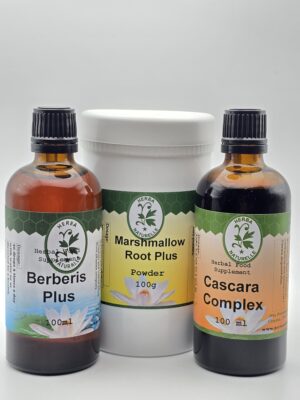 Digestive reset bundle
Original price was: £151.65.£144.95Current price is: £144.95.
Digestive reset bundle
Original price was: £151.65.£144.95Current price is: £144.95.
-
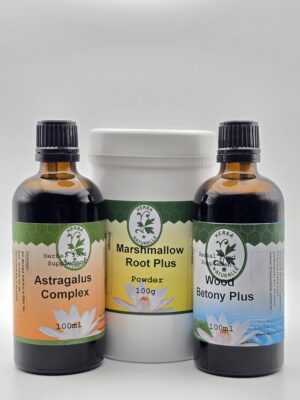 Smooth muscle and immune reset Bundle
Original price was: £177.60.£159.95Current price is: £159.95.
Smooth muscle and immune reset Bundle
Original price was: £177.60.£159.95Current price is: £159.95.
-
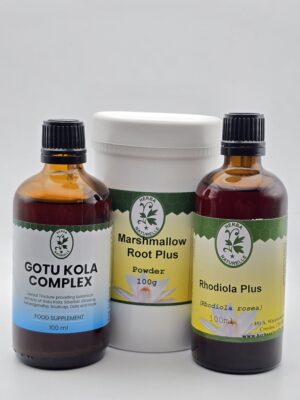 Nervous System Reset
Original price was: £163.68.£149.95Current price is: £149.95.
Nervous System Reset
Original price was: £163.68.£149.95Current price is: £149.95.
-
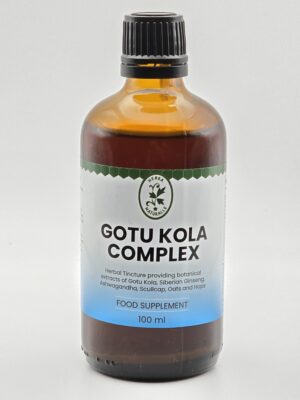 Gotu Kola Complex
£26.95
Gotu Kola Complex
£26.95

About the Author

Holistic Herbalist in UK · 30 Years of Excellence at Croydon, GB
Angela Jegnathan brings over 30 years of experience in integrated medicine and more than 25 years of full-time clinical herbal practice. Specializing in holistic herbal medicine, she focuses on restoring digestive health, calming the nervous system, and supporting the body's natural inflammatory response through evidence-based, patient-centered care.
Expertise: Holistic Herbs, Natural Medicines, Herbal Health
30 years of experience
