

Men’s Mental Health Month in the UK: Understanding the Issue and Taking Action
Men’s mental health remains one of the most underdiscussed areas of public health in the UK. This article looks at when Men’s Mental Health Month takes place, why men face unique challenges when it comes to mental health, the statistics behind the issue, and what practical steps men can take to support their wellbeing.
When Is Men’s Mental Health Month?
Men’s Mental Health Month is observed during November each year in the UK and internationally. November is also home to two significant events focused on men’s health:
- Movember, a global campaign led by the Movember Foundation that raises awareness and funds for men’s mental health, prostate cancer, and testicular cancer. The campaign encourages men to grow moustaches throughout November as a conversation starter.
- International Men’s Day, observed on 19 November each year, this day celebrates positive male role models, raises awareness of men’s health issues, and promotes gender equality.
Together, these events make November the UK’s primary month for focusing on men’s mental health.

Why Men’s Mental Health Is Often Overlooked
Despite significant progress in public conversation around mental health, men in the UK continue to face specific barriers to seeking help and support. These include:
- Cultural expectations that men should appear strong, stoic, or self-sufficient
- Stigma around expressing emotional vulnerability
- A tendency to use avoidance coping strategies such as overworking, substance use, or withdrawal
- Difficulty recognising or naming emotional distress
- Fewer men presenting to GPs with mental health concerns compared to women
Mental Health Statistics for Men in the UK
The numbers make the importance of Men’s Mental Health Month clear:
- Three in four suicides in the UK are by men, suicide is the single biggest killer of men under 50
- Men are significantly less likely than women to seek help from talking therapies or their GP for mental health difficulties
- Men are more likely to use alcohol and drugs as coping mechanisms
- Common mental health conditions including depression and anxiety are often underdiagnosed in men because symptoms can present differently
These statistics underline why dedicated awareness efforts such as Men’s Mental Health Month are vital.
How Men’s Mental Health Can Present Differently
It is worth understanding that depression and anxiety in men do not always look the way they are conventionally described. In men, mental health difficulties may show up as:
- Irritability, anger, or aggression rather than sadness
- Physical symptoms such as headaches, digestive problems, or fatigue
- Increased risk-taking behaviour
- Social withdrawal or isolation
- Increased alcohol or drug use
- An inability to experience pleasure in activities previously enjoyed
Recognising these presentations is an important first step in reaching out for support.

Practical Steps Men Can Take to Support Their Mental Health
Mental health is not a fixed state, it can be actively supported and improved. Some evidence-based approaches include:
- Physical activity, regular exercise is one of the most effective natural interventions for mood and anxiety
- Social connection, making time for genuine connection with friends or family, even briefly
- Limiting alcohol, which is a depressant and can worsen anxiety and low mood over time
- Sleep hygiene, establishing a consistent sleep schedule and reducing screen time before bed
- Mindfulness and breathwork, even brief daily practices can build nervous system resilience
- Talking to someone, a trusted person, a GP, or a talking therapist
- Reducing stimulant load, caffeine, busy schedules, and constant connectivity all contribute to a stressed nervous system
The Nervous System and Men’s Mental Health
Much of what men experience as anxiety, restlessness, or ‘wired but tired’ exhaustion has roots in an overstimulated nervous system. When the surface nervous system is chronically activated, men can feel like they are constantly on high alert, even when there is nothing obviously wrong.
The nervous system reset bundle from Herba Naturalle is designed to gently calm this surface nervous system over a three-month herbal protocol. It is particularly relevant for men who feel internally agitated, emotionally flat, or unable to fully switch off.
The Gotu Kola Complex included in the bundle is known in herbal practice for its grounding effect on peripheral nervous system agitation.
To learn more about how herbal medicine supports mental and nervous system health, visit the about herbal medicine page.
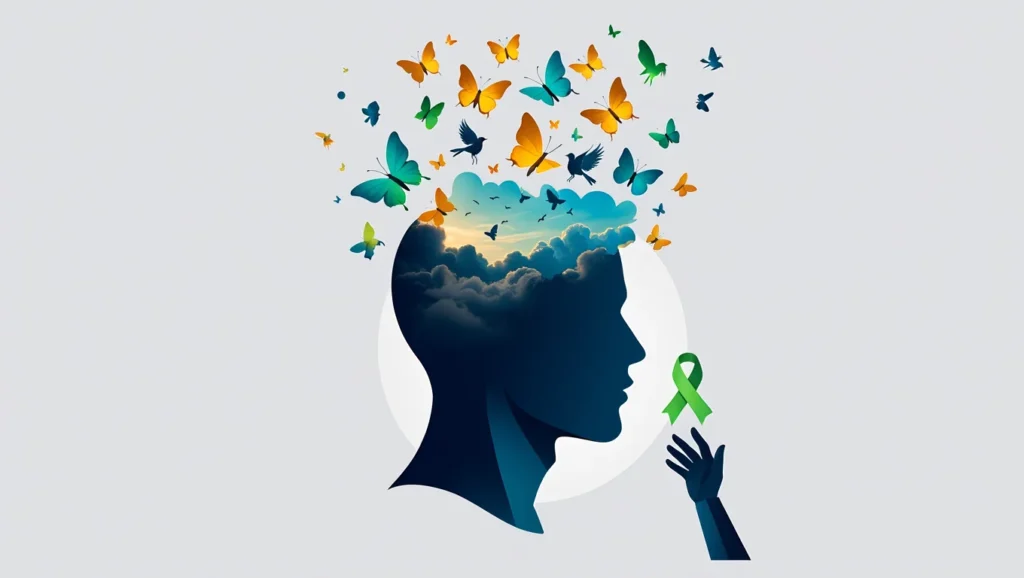
Where to Find Support, This Men’s Mental Health Month
If you or someone you know is struggling:
- Samaritans: Call 116 123 (free, 24 hours a day)
- Mind: visit mind.org.uk or call 0300 123 3393
- CALM (Campaign Against Living Miserably): call 0800 58 58 58
- Your GP: the first port of call for NHS mental health referrals
Support Your Body Naturally With Herba Naturalle
If any of the topics in this article resonate with you, the Herba Naturalle Bundle page offers a structured, three-step herbal protocol designed to address chronic illness at the root. The approach, developed over 30 years of clinical practice by Anjela Jeganathan, works across three healing layers:
- Step 1, Digestive Reset: Restore digestive rhythm, nutrient absorption, and healthy elimination
- Step 2, Surface Nervous System Reset: Calm inner restlessness, reduce stress reactivity, and settle the mind
- Step 3, Smooth Muscle & Immune Lining Healing: Reduce chronic inflammation in the tissue lining surrounding organs, blood vessels, and immune pathways
Explore the full protocol at the Herba Naturalle Bundle page and find the starting point that matches your body’s needs.
Have Questions? Get in Touch
If you would like personalised guidance or have questions about herbal support for your health, you are welcome to contact Anjela directly. She offers consultations tailored to your individual health needs.
Our Trending Products & Bundles
-
 Digestive reset bundle
Original price was: £151.65.£144.95Current price is: £144.95.
Digestive reset bundle
Original price was: £151.65.£144.95Current price is: £144.95.
-
 Smooth muscle and immune reset Bundle
Original price was: £177.60.£159.95Current price is: £159.95.
Smooth muscle and immune reset Bundle
Original price was: £177.60.£159.95Current price is: £159.95.
-
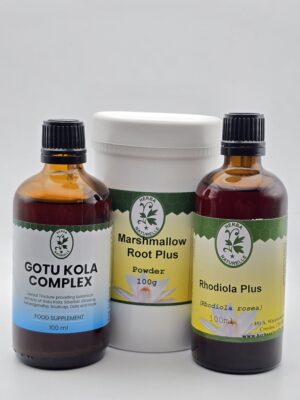 Nervous System Reset
Original price was: £163.68.£149.95Current price is: £149.95.
Nervous System Reset
Original price was: £163.68.£149.95Current price is: £149.95.
-
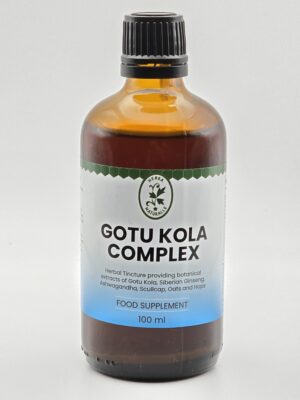 Gotu Kola Complex
£26.95
Gotu Kola Complex
£26.95