Parsley Piert Herb (Alchemilla arvensis): The Tiny Urinary Specialist
Parsley Piert — Alchemilla arvensis (also Aphanes arvensis) — is one of the smallest and most easily overlooked herbs in the British countryside, a tiny annual found in dry, sandy fields, gravel paths, and disturbed soil. Despite its diminutive size and inconspicuous appearance, it carries a focused and well-respected traditional reputation as one of the most specific British herbs for urinary stones and gravel — a use documented in herbals dating back to the 16th century and maintained in clinical herbal practice today.
At Herba Naturalle, Parsley Piert is listed in the comprehensive herb index as a specialist urinary herb — complementing Hydrangea Root and Gravel Root for comprehensive kidney stone support, alongside the Cornsilk Plus.
Active Compounds
- Tannins — astringent action toning the urinary mucosa
- Flavonoids — quercetin derivatives; mild anti-inflammatory and diuretic
- Saponins — contributing diuretic action
- Mucilage — soothing to the urinary tract
Clinical Applications
Kidney Stones and Urinary Gravel
The primary and most traditional application. Parsley Piert is specifically indicated for the prevention and management of urinary gravel and small stones — the gentle diuretic action increases urine flow, while the mild astringent and anti-inflammatory properties soothe the urinary tract during stone passage.
Bladder Irritation
The astringent and mucilaginous properties combine to both tone and soothe irritated bladder tissue — useful in cystitis and bladder irritability.
Mild Diuretic Support
Used as a gentle diuretic for fluid retention and general urinary tract support, alongside more specific herbs like Couch Grass and Juniper Berry.
Relevant Blog Posts
- Stop the Inflammation Pandemic: The Digestive System (Part 1)
- Healing the Heart: Understanding and Reversing Inflammation in the Cardiovascular System
- Stop the Inflammation Pandemic – The Lymphatic System
- Inflammation in Muscles and Joints: The Hidden Link to Autoimmunity
- Welcome to the Final Episode of the Inflammation Pandemic Series
How to Use
- Tea: 2–4g dried herb steeped 10 minutes; 3 cups daily
- Tincture (1:3): 3–5ml three times daily
- Increase water intake during use
Safety
- Extremely safe; one of the gentlest urinary herbs
- Pregnancy: Generally considered safe at standard doses; discuss with a practitioner for therapeutic use
Contact Herba Naturalle for kidney and urinary herbal support. Browse all products and the full herb index.
This article is for informational purposes only. Kidney stones require medical assessment — please see your GP.
Our Trending Products & Bundles
-
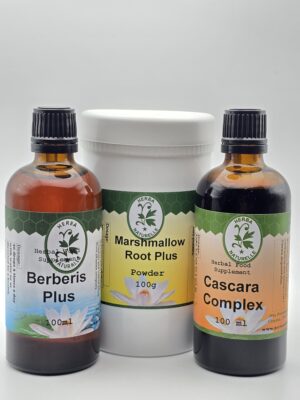 Digestive reset bundle
Original price was: £151.65.£144.95Current price is: £144.95.
Digestive reset bundle
Original price was: £151.65.£144.95Current price is: £144.95.
-
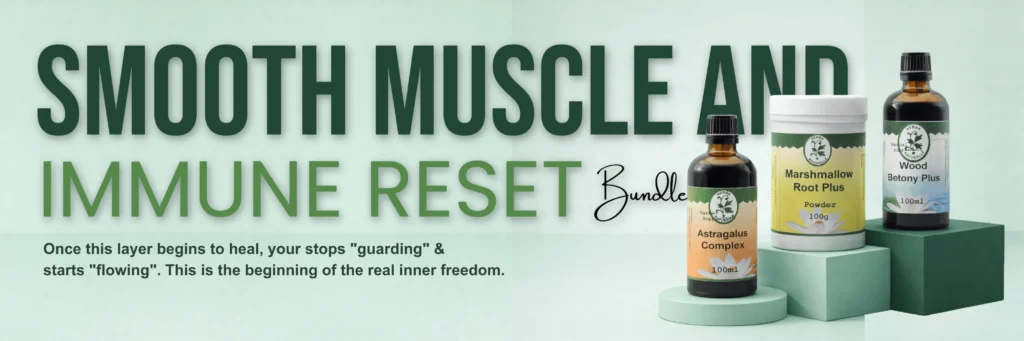
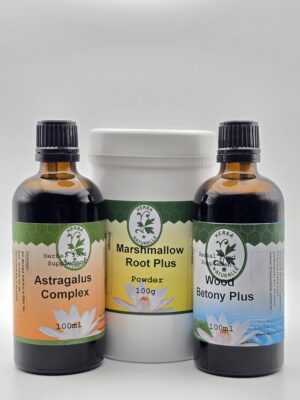 Smooth muscle and immune reset Bundle
Original price was: £177.60.£159.95Current price is: £159.95.
Smooth muscle and immune reset Bundle
Original price was: £177.60.£159.95Current price is: £159.95.
-
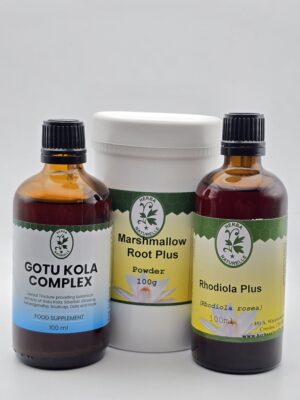 Nervous System Reset
Original price was: £163.68.£149.95Current price is: £149.95.
Nervous System Reset
Original price was: £163.68.£149.95Current price is: £149.95.
-
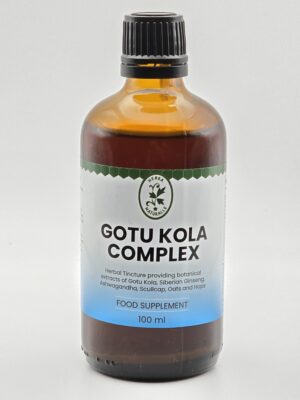 Gotu Kola Complex
£26.95
Gotu Kola Complex
£26.95

About the Author

Holistic Herbalist in UK · 30 Years of Excellence at Croydon, GB
Angela Jegnathan brings over 30 years of experience in integrated medicine and more than 25 years of full-time clinical herbal practice. Specializing in holistic herbal medicine, she focuses on restoring digestive health, calming the nervous system, and supporting the body's natural inflammatory response through evidence-based, patient-centered care.
Expertise: Holistic Herbs, Natural Medicines, Herbal Health
30 years of experience
