
Bowel Obstruction Symptoms: Causes, Signs and When It Becomes an Emergency
By Anjela Jeganathan – Medical Herbalist | Herba Naturalle
Bowel obstruction — also known as bowel occlusion or intestinal obstruction — is a medical emergency that occurs when the normal passage of intestinal contents is partially or completely blocked. It requires prompt medical assessment and often surgical intervention. Recognising the symptoms early significantly improves outcomes.
This article explains the causes, symptoms, and emergency warning signs of bowel obstruction. For context on normal bowel anatomy and function, see our guide to the digestive system, small intestine and large intestine explained. For a broader guide to intestinal conditions, see our post on IBS, IBD, UC and bowel symptoms.
⚠️ Important: Bowel Obstruction Is a Medical Emergency
If you suspect bowel obstruction, call 999 or go to A&E immediately. Do not wait to see if symptoms resolve.
What Is Bowel Obstruction?
Bowel obstruction occurs when a blockage prevents the normal movement of food, fluid, and gas through the intestine. It can affect:
- The small intestine (small bowel obstruction — more common, approximately 80% of cases)
- The large intestine / colon (large bowel obstruction — less common, more often associated with cancer in adults)
Obstruction may be:
- Mechanical — a physical blockage (adhesions, tumour, hernia, faecal impaction, intussusception)
- Functional (ileus) — failure of peristalsis without a physical block, commonly seen after abdominal surgery, severe infection, or metabolic disturbance
Causes of Gut Obstruction
Small bowel obstruction causes:
- Adhesions (scar tissue from previous abdominal surgery) — the most common cause in adults
- Hernias — intestine trapped in a hernia opening
- Crohn’s disease strictures — inflammatory scarring narrowing the intestinal lumen
- Tumours — either of the small bowel (rare) or from external compression
- Intussusception — one section of bowel telescoping into another (more common in children)
- Volvulus — twisting of the bowel around itself
Large bowel / obstruction of colon causes:
- Colorectal cancer — the most common cause of colon obstruction in adults over 50
- Diverticular stricture — scarring from diverticulitis
- Volvulus of the sigmoid colon or caecum
- Faecal impaction — extreme constipation causing complete blockage
Bowel Obstruction Symptoms
The classic symptoms of bowel obstruction are:
- Colicky abdominal pain — cramping pain that comes in waves, typically centred around the navel in small bowel obstruction; lower abdomen in large bowel obstruction
- Nausea and vomiting — often projectile; faeculent (faeces-smelling) vomiting indicates advanced obstruction
- Abdominal distension — progressive swelling of the abdomen
- Absolute constipation — inability to pass stool or flatus (gas)
- Visible peristalsis — bowel movement visible through the abdominal wall in severe cases
- High-pitched bowel sounds (borborygmi) — or complete silence (in late ileus)
Partial vs Complete Obstruction
A partial obstruction allows some gas or liquid stool to pass. Symptoms are less severe but should not be ignored — partial obstructions can progress to complete obstruction.
A complete obstruction produces absolute constipation (no gas or stool passed), progressive vomiting, and rapid worsening.
When Bowel Obstruction Becomes a Surgical Emergency: Strangulation
Strangulation occurs when the blood supply to the obstructed bowel is cut off — causing bowel wall ischaemia and rapid tissue death. Signs of strangulation require immediate surgery:
- Constant, severe pain (no longer colicky — worsening progressively)
- High fever
- Rapid heart rate
- Signs of shock (pallor, sweating, collapse)
What to Do if You Suspect Bowel Obstruction
Call 999 or go to A&E immediately. Do not eat or drink. Do not take laxatives (contraindicated in obstruction). Do not apply heat to the abdomen.
The underlying gut anatomy relevant to understanding where obstruction occurs is explained in our guide to the digestive system from small intestine to large bowel.
This article is for informational purposes only. Suspected bowel obstruction is a medical emergency — call 999 immediately.
Our Trending Products & Bundles
-
 Digestive reset bundle
Original price was: £151.65.£144.95Current price is: £144.95.
Digestive reset bundle
Original price was: £151.65.£144.95Current price is: £144.95.
-
 Smooth muscle and immune reset Bundle
Original price was: £177.60.£159.95Current price is: £159.95.
Smooth muscle and immune reset Bundle
Original price was: £177.60.£159.95Current price is: £159.95.
-
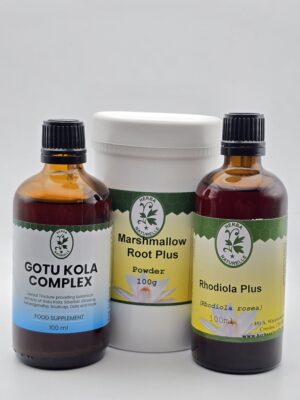 Nervous System Reset
Original price was: £163.68.£149.95Current price is: £149.95.
Nervous System Reset
Original price was: £163.68.£149.95Current price is: £149.95.
-
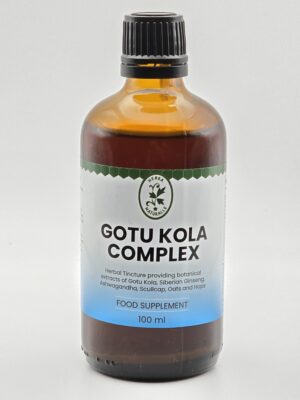 Gotu Kola Complex
£26.95
Gotu Kola Complex
£26.95


About the Author

Holistic Herbalist in UK · 30 Years of Excellence at Croydon, GB
Angela Jegnathan brings over 30 years of experience in integrated medicine and more than 25 years of full-time clinical herbal practice. Specializing in holistic herbal medicine, she focuses on restoring digestive health, calming the nervous system, and supporting the body's natural inflammatory response through evidence-based, patient-centered care.
Expertise: Holistic Herbs, Natural Medicines, Herbal Health
30 years of experience
