Stone Root (Collinsonia canadensis): The Vascular Congestion Specialist
Stone Root, Collinsonia canadensis, is a woodland herb native to eastern North America, named for its exceptionally hard, woody root that resists breaking even when dried. Known as “Richleaf” or “Horse Balm,” it was one of the primary herbs of the North American Eclectic physician tradition, used specifically for conditions of venous and lymphatic congestion, particularly haemorrhoids, varicose veins, and the chronic pelvic and portal congestion that drives these conditions.
At Herba Naturalle, Stone Root is listed in the comprehensive herb index as a specialist vascular and decongestant herb, relevant to the cardiovascular framework of Healing the Heart and the Elderflower Complex for sinus congestion.
What Stone Root Looks Like, and Its Traditional Names
Stone root is a member of the mint family, growing up to a metre tall with serrated, lemon-scented leaves and tall spikes of small, tubular lavender to yellow flowers. Despite the pleasant, citrusy scent of the crushed leaves, it’s the root and rhizome that carry the herb’s therapeutic value, and true to its name, they’re notably hard and heavy, resistant to breaking even once fully dried, which is what earned it the “stone root” name in the first place. It’s also been known historically as richweed, horsebalm, hardhack, and ox-balm, names that appear throughout older Eclectic and folk medicine texts and are still occasionally used interchangeably today.
Active Compounds
- Saponins: with toning and anti-inflammatory action on venous and lymphatic tissue
- Flavonoids: with capillary-strengthening and anti-inflammatory activity
- Terpenes: contributing to the aromatic and tonic character
- Tannins: astringent action
A Note on Its Eclectic History
Stone root was already established as a remedy among Indigenous peoples of eastern North America long before it entered mainstream American medicine, and it became one of the defining herbs of the 19th-century Eclectic physicians, a school of practitioners who relied heavily on botanical remedies. Physicians of the era such as Felter and Lloyd described it as specifically suited to conditions marked by “congestion, irritation, and a sense of constriction,” a phrase still commonly used to summarise its overall character today, whether that constriction shows up in the rectum, the throat, or the pelvic circulation.
Clinical Applications
Haemorrhoids
The most specific Eclectic application. Stone Root tones and reduces the congestion of haemorrhoidal venous tissue, used for both the acute discomfort and the underlying venous congestion that drives haemorrhoid development.
Varicose Veins and Venous Congestion
The saponin-mediated toning of venous wall tissue and reduction of venous congestion is applicable to varicose veins, complementary to Horse Chestnut and Butcher’s Broom. Relevant to Healing the Heart.
Sore Throat and Laryngitis
One of stone root’s lesser-known but well-documented traditional uses is for throat complaints, particularly the kind of hoarseness and vocal strain that comes from prolonged, forceful speaking. This was historically nicknamed “minister’s sore throat,” after the 19th-century clergymen who relied on it to soothe an overworked voice. The same congestion-relieving, tissue-toning action that benefits the venous system was traditionally thought to ease the swollen, congested feeling in the throat and vocal cords behind this complaint.
Sinus Congestion and Catarrh
A specific Eclectic application, Stone Root was used for the chronic, thick, congested catarrhal state of the sinuses and nasopharynx where the tissues are congested and sluggish rather than acutely inflamed. The Elderflower Complex provides complementary sinus support.
Pelvic Congestion
Used in Eclectic practice for the congested pelvic circulation that underlies haemorrhoids, uterine congestion, and pelvic heaviness. Alongside a herbal approach, our broader guide to herbs for varicose veins and poor circulation covers the wider picture of supporting sluggish venous return.
Relevant Blog Posts
- Healing the Heart: Understanding and Reversing Inflammation in the Cardiovascular System
- Stop the Inflammation Pandemic: Breathe Easy – Inflammation in the Nose, Sinuses, and Lungs
- Stop the Inflammation Pandemic – The Lymphatic System
- Stop the Inflammation Pandemic: The Digestive System (Part 1)
- Welcome to the Final Episode of the Inflammation Pandemic Series
How to Use
- Tincture (1:5): 1–3ml three times daily
- Decoction: 3–5g dried root simmered 20 minutes (the root is very hard, adequate decocting time is important)
Stone Root and Its Traditional Companions
Stone root is rarely used entirely on its own for vascular complaints. Eclectic and modern herbalists alike have long paired it with Horse Chestnut, which is better known for strengthening capillary walls and reducing fluid leakage, and Butcher’s Broom, valued for its vein-toning action. Combining herbs with slightly different but complementary vascular actions is a common approach in herbal medicine, addressing venous congestion from more than one angle rather than relying on a single remedy.
Safety
- Generally well tolerated at therapeutic doses
- Pregnancy: Avoid, professional guidance recommended
- Heart disease: Professional guidance, the vascular-toning action warrants monitoring in cardiac conditions
- Dosage: Taking significantly more than the recommended amount has occasionally been associated with gastric irritation, so it’s best to stick to guided doses rather than assuming more is better
Frequently Asked Questions
Is stone root the same as Collinsonia?
Yes. Stone root is the common English name for Collinsonia canadensis, and the two terms are used interchangeably throughout herbal literature.
What is stone root traditionally used for?
Its best-documented traditional uses are haemorrhoids and varicose veins, alongside sinus congestion, pelvic congestion, and, less commonly known, sore throat and vocal strain.
Is stone root safe to use for haemorrhoids?
It’s generally well tolerated at recommended doses and has a long traditional history of use for exactly this purpose, though as with any herb used for a specific complaint, it’s worth discussing your individual situation with a herbalist first, particularly if you have an underlying heart condition or are pregnant.
How is stone root usually taken?
Most commonly as a tincture, or as a decoction, since the root is very hard and needs a longer simmering time than most herbal roots to properly extract its constituents.
Contact Herba Naturalle for vascular and congestion herbal support. Browse all products and the full herb index.
This article is for informational purposes only. Please consult a qualified medical herbalist before use.
Our Trending Products & Bundles
-
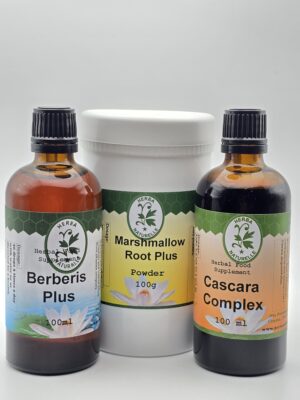 Digestive reset bundle
Original price was: £151.65.£144.95Current price is: £144.95.
-
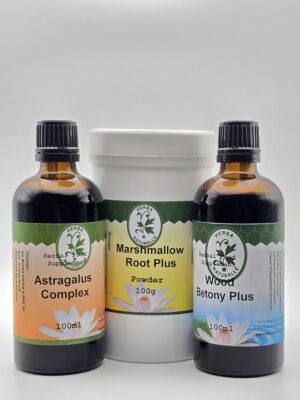 Smooth muscle and immune reset Bundle
Original price was: £177.60.£159.95Current price is: £159.95.
-
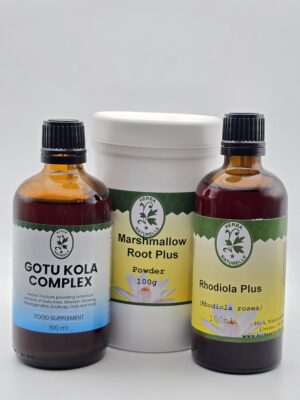 Nervous System Reset
Original price was: £163.68.£149.95Current price is: £149.95.
-
 Gotu Kola Complex
£26.95

About the Author

Holistic Herbalist in UK · 30 Years of Excellence at Croydon, GB
Angela Jegnathan brings over 30 years of experience in integrated medicine and more than 25 years of full-time clinical herbal practice. Specializing in holistic herbal medicine, she focuses on restoring digestive health, calming the nervous system, and supporting the body's natural inflammatory response through evidence-based, patient-centered care.
Expertise: Holistic Herbs, Natural Medicines, Herbal Health
30 years of experience
