
Prickly Ash Berry (Zanthoxylum clava-herculis): The Concentrated Fruit Preparation
While Prickly Ash Bark is the more commonly used part in Western herbal practice, Prickly Ash Berry — the fruit of the same Zanthoxylum clava-herculis tree — offers a related but distinct preparation, often considered to deliver a more concentrated dose of the volatile oil compounds responsible for the plant’s warming, circulatory-stimulating character. Both parts are listed in the Herba Naturalle herb index, reflecting the value of understanding different preparations of the same significant species.
Berry vs Bark: Clinical Distinction
| Prickly Ash Bark | Prickly Ash Berry | |
|---|---|---|
| Volatile oil concentration | Moderate | Often higher |
| Alkaloid content | Higher (chelerythrine) | Lower |
| Primary emphasis | Nerve pain, circulation, joints | Digestive stimulation, circulation |
| Taste/character | Pungent, tingling | Aromatic, slightly less intense |
Clinical Applications
Digestive Stimulation
The berry preparation is particularly valued for its digestive stimulant properties — the concentrated volatile oil provides a warming carminative action for sluggish, cold digestion, flatulence, and poor appetite. Complementary to the Berberis Plus and Digestive Reset Bundle.
Circulatory Support
Shares the bark’s circulatory-stimulating properties — used for cold extremities and poor peripheral circulation, often as a complementary preparation alongside the bark for comprehensive circulatory support.
General Warming Tonic
Used in formula combinations as a warming addition where the overall constitutional picture calls for increased metabolic and circulatory activation — relevant to the broader cardiovascular framework of Healing the Heart.
Relevant Blog Posts
- Stop the Inflammation Pandemic: The Digestive System (Part 1)
- Healing the Heart: Understanding and Reversing Inflammation in the Cardiovascular System
- Stop the Inflammation Pandemic: Digestive System (Part 2)
- Inflammation in Muscles and Joints: The Hidden Link to Autoimmunity
- Welcome to the Final Episode of the Inflammation Pandemic Series
How to Use
- Tincture (1:3): 1–2ml three times daily before meals for digestive use
- Decoction: 2g dried berries simmered 15 minutes; 1–2 cups daily
Safety
- Same safety profile as Prickly Ash Bark
- Pregnancy: Avoid
- Hot/inflammatory presentations: Not appropriate — best suited to cold, sluggish constitutions
Contact Herba Naturalle for digestive and circulatory herbal support. Browse all products and the full herb index.
This article is for informational purposes only. Please consult a qualified medical herbalist before use.
Our Trending Products & Bundles
-
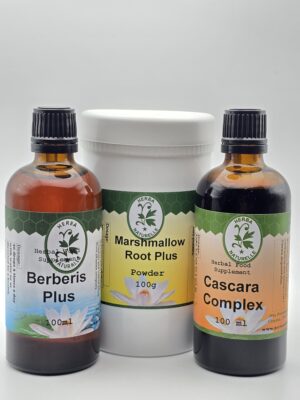 Digestive reset bundle
Original price was: £151.65.£144.95Current price is: £144.95.
Digestive reset bundle
Original price was: £151.65.£144.95Current price is: £144.95.
-
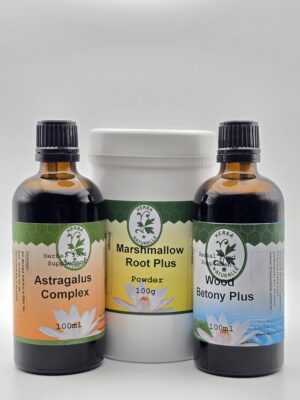 Smooth muscle and immune reset Bundle
Original price was: £177.60.£159.95Current price is: £159.95.
Smooth muscle and immune reset Bundle
Original price was: £177.60.£159.95Current price is: £159.95.
-
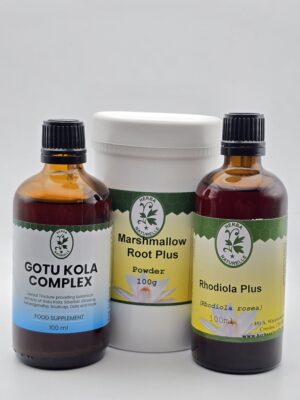 Nervous System Reset
Original price was: £163.68.£149.95Current price is: £149.95.
Nervous System Reset
Original price was: £163.68.£149.95Current price is: £149.95.
-
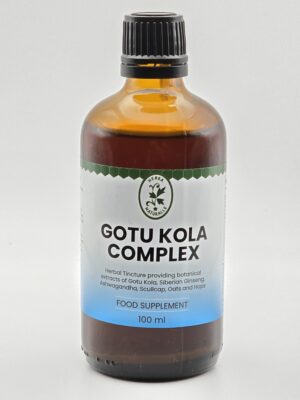 Gotu Kola Complex
£26.95
Gotu Kola Complex
£26.95


About the Author

Holistic Herbalist in UK · 30 Years of Excellence at Croydon, GB
Angela Jegnathan brings over 30 years of experience in integrated medicine and more than 25 years of full-time clinical herbal practice. Specializing in holistic herbal medicine, she focuses on restoring digestive health, calming the nervous system, and supporting the body's natural inflammatory response through evidence-based, patient-centered care.
Expertise: Holistic Herbs, Natural Medicines, Herbal Health
30 years of experience
