Neem (Azadirachta indica): The Village Pharmacy Tree
Neem — Azadirachta indica — is known across India as the “village pharmacy” for the extraordinary breadth of its traditional medicinal applications. Virtually every part of this fast-growing tropical tree — leaves, bark, seeds, oil, and flowers — has documented medicinal use across Ayurvedic, Unani, and folk medicine traditions of South Asia, spanning skin conditions, blood purification, antimicrobial action, dental health, and immune support. Modern pharmacological research has confirmed the presence of over 140 distinct bioactive compounds, making Neem one of the most phytochemically complex and well-studied plants in tropical medicine.
At Herba Naturalle, Neem is listed in the comprehensive herb index as a primary antimicrobial and depurative (blood-cleansing) herb — relevant to the lymphatic and skin framework discussed in Stop the Inflammation Pandemic – The Lymphatic System.
Active Compounds
- Azadirachtin — the primary limonoid compound; potent antiparasitic and insect-repelling activity
- Nimbin and nimbidin — anti-inflammatory, antiviral, antifungal, and antibacterial compounds
- Gedunin — antimalarial and antifungal activity
- Quercetin — antioxidant and anti-inflammatory flavonoid
- Polysaccharides and glycoproteins — immune-modulating activity
Clinical Applications
Skin Conditions
Neem’s antimicrobial and anti-inflammatory limonoids make it one of the most effective herbs for inflammatory and infectious skin conditions:
- Eczema and psoriasis — reducing inflammation and secondary infection
- Acne — antibacterial action against P. acnes
- Fungal skin infections — broad-spectrum antifungal activity
- Scabies and lice — antiparasitic action
Blood Purification and Lymphatic Support
In Ayurvedic terms, Neem is a primary rakta shodhaka (blood purifier) — supporting the liver and lymphatic clearance of toxins that manifest as skin and systemic inflammatory conditions. Relevant to Stop the Inflammation Pandemic – The Lymphatic System. The Schizandra Complex provides complementary lymphatic support.
Dental Health
Neem twigs have been used as natural toothbrushes across India for centuries — and research confirms significant antibacterial activity against oral pathogens including those responsible for plaque and gingivitis.
Antiparasitic
Azadirachtin demonstrates significant activity against intestinal parasites and external parasites alike — used in traditional and clinical practice for parasite clearance protocols.
Blood Sugar
Multiple studies demonstrate blood-glucose-lowering activity — relevant in type 2 diabetes support.
Relevant Blog Posts
- Stop the Inflammation Pandemic – The Lymphatic System
- Stop the Inflammation Pandemic: The Digestive System (Part 1)
- Inflammation in Muscles and Joints: The Hidden Link to Autoimmunity
- Welcome to the Final Episode of the Inflammation Pandemic Series
- Stop the Inflammation Pandemic: Breathe Easy – Inflammation in the Nose, Sinuses, and Lungs
How to Use
- Leaf tea (internal): 1–2g dried leaf steeped 10 minutes; very bitter — used in short courses
- Topical (oil or cream): Diluted Neem oil for skin conditions
- Tincture (1:3): 2–3ml twice daily
Safety
- Pregnancy: Contraindicated — Neem has well-documented uterine-stimulating and abortifacient activity
- Children: Avoid internal use in young children — reports of toxicity at high doses
- Fertility: Neem oil has documented spermicidal and contraceptive activity — relevant consideration for those trying to conceive
- Liver function: Monitor with prolonged internal use
Contact Herba Naturalle for skin and immune herbal support. Browse all products and the full herb index.
This article is for informational purposes only. Please consult a qualified medical herbalist before use.
Our Trending Products & Bundles
-
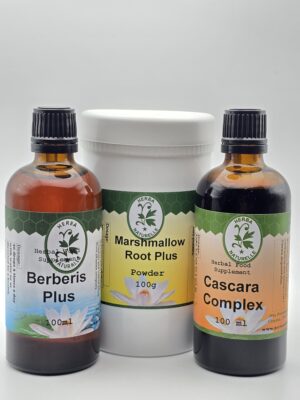 Digestive reset bundle
Original price was: £151.65.£144.95Current price is: £144.95.
Digestive reset bundle
Original price was: £151.65.£144.95Current price is: £144.95.
-
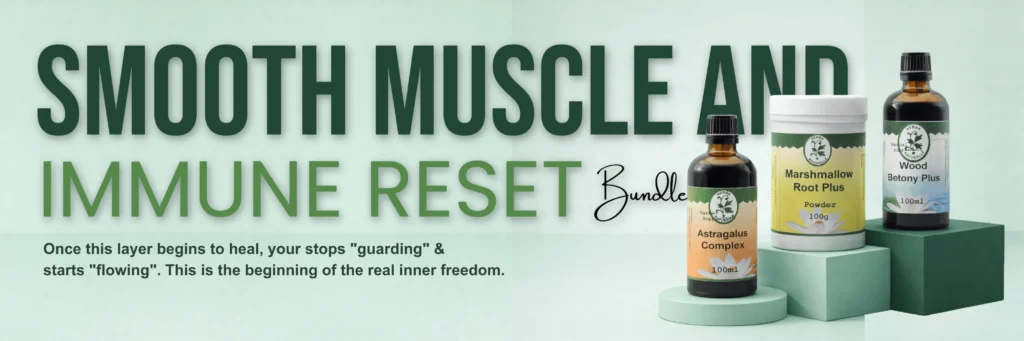
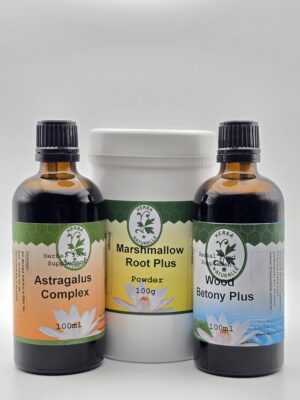 Smooth muscle and immune reset Bundle
Original price was: £177.60.£159.95Current price is: £159.95.
Smooth muscle and immune reset Bundle
Original price was: £177.60.£159.95Current price is: £159.95.
-
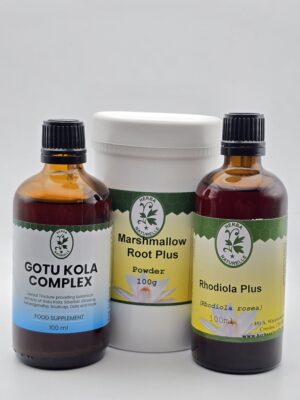 Nervous System Reset
Original price was: £163.68.£149.95Current price is: £149.95.
Nervous System Reset
Original price was: £163.68.£149.95Current price is: £149.95.
-
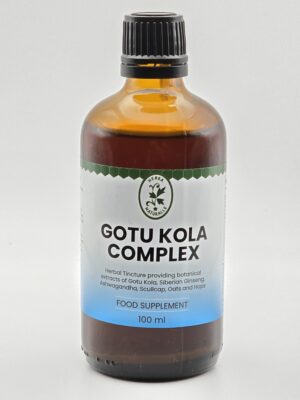 Gotu Kola Complex
£26.95
Gotu Kola Complex
£26.95

About the Author

Holistic Herbalist in UK · 30 Years of Excellence at Croydon, GB
Angela Jegnathan brings over 30 years of experience in integrated medicine and more than 25 years of full-time clinical herbal practice. Specializing in holistic herbal medicine, she focuses on restoring digestive health, calming the nervous system, and supporting the body's natural inflammatory response through evidence-based, patient-centered care.
Expertise: Holistic Herbs, Natural Medicines, Herbal Health
30 years of experience
