Mullein Flower (Verbascum thapsus flos): The Ear and Respiratory Herb
Mullein Flower — the yellow blossoms of Verbascum thapsus — is one of the most distinctive herbs in the British countryside, with its tall flowering spikes appearing on waste ground, roadsides, and chalky banks throughout summer. While the felted, soft leaves of the same plant carry the primary respiratory expectorant reputation, the flowers themselves bring a slightly different and specific clinical emphasis — most notably their traditional and continuing use, infused in oil, as one of the most reliable natural remedies for earache and middle ear infection.
At Herba Naturalle, Mullein Flower is listed in the comprehensive herb index as a primary ear and respiratory herb, distinct from but complementary to Mullein Leaf. Relevant to the respiratory framework discussed in Stop the Inflammation Pandemic: Breathe Easy.
Active Compounds
- Mucilage — soothing polysaccharides; protective coating action on mucous membranes
- Saponins — verbascosaponin; mild anti-inflammatory and expectorant
- Iridoid glycosides — aucubin; anti-inflammatory and antiviral
- Flavonoids — verbascoside, hesperidin; anti-inflammatory and antimicrobial
- Volatile oil — present in small amounts; mildly antimicrobial
Clinical Applications
Earache and Otitis Media
The most well-known and specific traditional application. Mullein Flower infused in olive oil (with Garlic, traditionally) is one of the most widely used natural remedies for earache, particularly in children, as warm drops applied to the outer ear canal. The anti-inflammatory and mild antimicrobial action of the flower’s compounds soothes the inflamed ear canal and middle ear tissue.
Respiratory Mucosal Soothing
As a gentler complement to Mullein Leaf, the flower provides demulcent soothing for irritated upper respiratory mucosa — relevant in dry coughs and throat irritation. Complementary to the Lungwort Plus.
Skin Inflammation
Topically, Mullein flower infusions are used for skin irritation, minor burns, and inflamed skin conditions due to the mucilage and flavonoid anti-inflammatory action.
Relevant Blog Posts
- Stop the Inflammation Pandemic: Breathe Easy – Inflammation in the Nose, Sinuses, and Lungs
- Stop the Inflammation Pandemic – The Lymphatic System
- Stop the Inflammation Pandemic: The Digestive System (Part 1)
- Inflammation in Muscles and Joints: The Hidden Link to Autoimmunity
- Welcome to the Final Episode of the Inflammation Pandemic Series
How to Use
- Oil infusion (ear drops): Dried flowers infused in olive oil for 2–4 weeks; warmed gently before use as outer ear drops only
- Tea: 2g dried flowers steeped 10 minutes; strain very thoroughly (fine hairs can irritate the throat if not filtered)
Safety
- Ear drops: Only for the outer ear canal — never use if there is a perforated eardrum or discharge from the ear; consult a GP first
- Generally very safe in other applications
- Pregnancy: Generally considered safe for topical/ear use
Contact Herba Naturalle for respiratory and ear herbal support. Browse all products and the full herb index.
This article is for informational purposes only. Please see your GP if ear pain is severe, persistent, or accompanied by discharge or fever.
Our Trending Products & Bundles
-
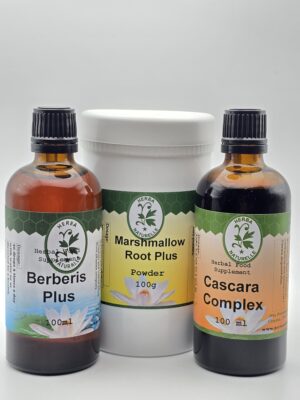 Digestive reset bundle
Original price was: £151.65.£144.95Current price is: £144.95.
Digestive reset bundle
Original price was: £151.65.£144.95Current price is: £144.95.
-
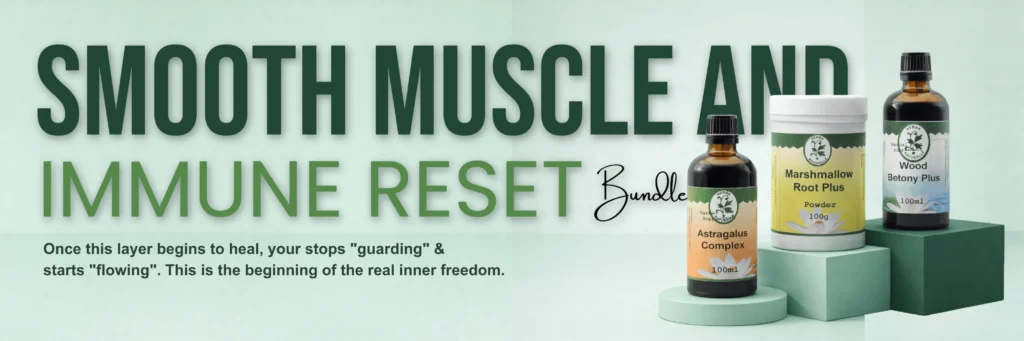
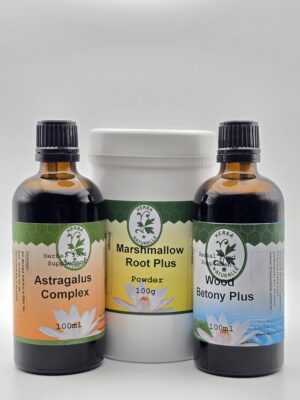 Smooth muscle and immune reset Bundle
Original price was: £177.60.£159.95Current price is: £159.95.
Smooth muscle and immune reset Bundle
Original price was: £177.60.£159.95Current price is: £159.95.
-
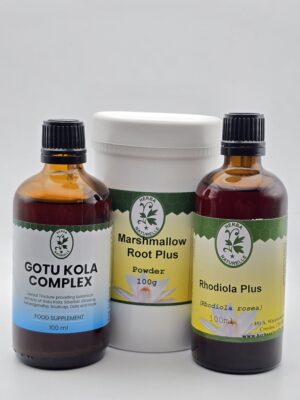 Nervous System Reset
Original price was: £163.68.£149.95Current price is: £149.95.
Nervous System Reset
Original price was: £163.68.£149.95Current price is: £149.95.
-
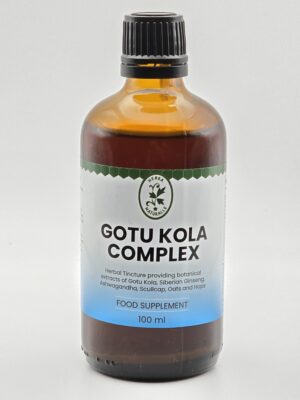 Gotu Kola Complex
£26.95
Gotu Kola Complex
£26.95

About the Author

Holistic Herbalist in UK · 30 Years of Excellence at Croydon, GB
Angela Jegnathan brings over 30 years of experience in integrated medicine and more than 25 years of full-time clinical herbal practice. Specializing in holistic herbal medicine, she focuses on restoring digestive health, calming the nervous system, and supporting the body's natural inflammatory response through evidence-based, patient-centered care.
Expertise: Holistic Herbs, Natural Medicines, Herbal Health
30 years of experience
