Cajaput (Melaleuca leucadendra): The White Bark Respiratory Herb
By Anjela Jeganathan – Holistic Medical Herbalist | Herba Naturalle
Cajaput — Melaleuca leucadendra — is a tall tree of the Myrtaceae family, native to the coastal wetlands and swamps of Northern Australia, Indonesia, and South-East Asia. Its papery white bark peels in layers — giving it the common name White Tea Tree — and the steam-distilled essential oil from its leaves produces Cajuput oil, one of the most widely used aromatic medicinal oils in South-East Asian traditional medicine. Closely related to Tea Tree (Melaleuca alternifolia) and Niaouli (Melaleuca quinquenervia), Cajaput shares much of the same antimicrobial and respiratory therapeutic character while bringing its own specific aromatic profile.
At Herba Naturalle, Cajaput is listed in the comprehensive herb index as an aromatic antimicrobial with primary application in respiratory health and topical infection management.
Active Compounds
- 1,8-Cineole (eucalyptol, 45–65%) — the dominant active compound; expectorant, bronchodilatory, anti-inflammatory, and antimicrobial
- Alpha-terpineol — antimicrobial and calming
- Gamma-terpinene and p-cymene — antimicrobial activity
- Alpha and beta-pinene — expectorant and anti-inflammatory
Clinical Applications
Respiratory Health
The high 1,8-cineole content makes Cajaput oil one of the most effective aromatic expectorants available. Inhaled or applied to the chest (diluted), it loosens mucus, reduces bronchial inflammation, and improves mucociliary clearance. Used for bronchitis, sinusitis, and upper respiratory tract infections — complementary to the Lungwort Plus and Elderflower Complex from Herba Naturalle.
Pain Relief (Topical)
Cajaput oil is a traditional South-East Asian topical analgesic — applied diluted to painful joints, muscles, and headache points. The counter-irritant action (mild warming sensation stimulating blood flow) provides pain relief relevant to muscular pain, arthritis, and headache.
Antimicrobial (Topical)
Diluted Cajaput oil is an effective topical antimicrobial for skin infections, minor wounds, and fungal conditions — sharing this application with its Tea Tree relative.
Dental Health
Cajaput oil has been used in traditional dentistry as a topical antiseptic for tooth pain and gum infections.
How to Use
- Inhalation: 3–5 drops in a bowl of hot water; inhale the steam for respiratory congestion
- Diffusion: 3–6 drops in an ultrasonic diffuser
- Topical (diluted): 2–3% in carrier oil for pain or skin applications — never apply undiluted
⚠ Safety Considerations
- Never ingest: The essential oil is for external/inhalation use only
- Children under 6: Do not apply near face or nose — 1,8-cineole can cause respiratory distress
- Pregnancy: Use only in diluted aromatherapy; avoid high doses
- Always dilute before skin application — undiluted application can irritate
Browse the Herba Naturalle herb index, explore the herbal medicine approach, and contact the clinic for personalised respiratory herbal support. The full product range is available online.
This article is for informational purposes only. Please consult a qualified practitioner before use.
Our Trending Products & Bundles
-
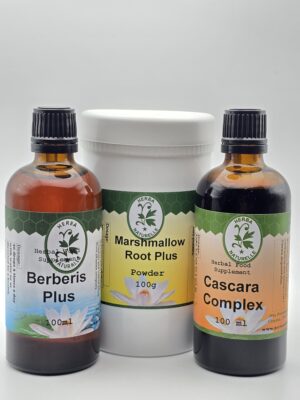 Digestive reset bundle
Original price was: £151.65.£144.95Current price is: £144.95.
Digestive reset bundle
Original price was: £151.65.£144.95Current price is: £144.95.
-
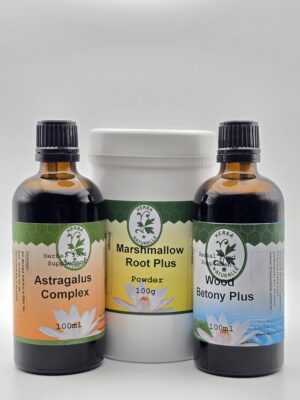 Smooth muscle and immune reset Bundle
Original price was: £177.60.£159.95Current price is: £159.95.
Smooth muscle and immune reset Bundle
Original price was: £177.60.£159.95Current price is: £159.95.
-
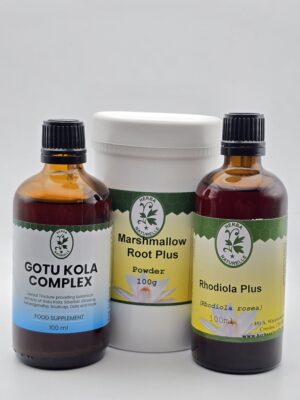 Nervous System Reset
Original price was: £163.68.£149.95Current price is: £149.95.
Nervous System Reset
Original price was: £163.68.£149.95Current price is: £149.95.
-
 Gotu Kola Complex
£26.95
Gotu Kola Complex
£26.95