Borage Herb (Borago officinalis): The Adrenal Restorative
Borage Herb (Borago officinalis): The Adrenal Restorative
By Anjela Jeganathan, Holistic Medical Herbalist | Herba Naturalle
Borage, Borago officinalis, is a striking annual with intense blue star-shaped flowers and coarse, bristly leaves, native to the Mediterranean and now widely naturalised across Britain. Known since ancient times as a herb of courage and cheer, the Roman naturalist Pliny wrote that “Borage brings always courage”, it was used to lift the spirits of soldiers before battle and to restore those who had been worn down by effort and anxiety. In modern herbal practice, this traditional reputation maps onto a specific physiological application: adrenal gland support and recovery from chronic stress.
At Herba Naturalle, Borage is listed in the comprehensive herb index alongside other adrenal and nervine tonics as a herb of particular relevance for the modern epidemic of adrenal depletion and stress-related fatigue.
What Borage Looks Like, and Its Traditional Names
Borage is easy to recognise once you know it: an upright, self-seeding annual growing to around half a metre, with rough, hairy leaves and clusters of vivid, five-pointed blue flowers that seem to glow against the green. It’s long been a favourite in cottage and herb gardens, partly for its looks and partly because bees are drawn to it in large numbers, which is where two of its older names, bee bread and bee fodder, come from. It’s also been known historically as starflower, bugloss (from the Greek for “ox tongue,” describing the shape and texture of the leaf), and cool tankard, a name tied directly to its most famous traditional use.
A Longer History Than a Single Quote Suggests
Borage’s reputation for lifting the spirits goes back further than Pliny alone. Ancient Greek tradition associated it with dispelling melancholy and grief, and it was steeped in wine specifically for this purpose, a use that persisted through medieval and early modern European herbal medicine, where it was recommended for the heart, for fainting, and for what physicians of the time called melancholic conditions. This long, consistent thread, a herb reached for specifically when someone was worn down, frightened, or low in spirits, is really the cultural root of its modern use as an adrenal and stress-recovery herb.
Active Compounds
- Gamma-linolenic acid (GLA), in the seed oil (18–26% of fatty acids); the primary source of Borage’s anti-inflammatory significance in supplement form
- Mucilage, soothing and demulcent; relevant in the aerial herb
- Pyrrolizidine alkaloids (trace), in the aerial herb; safety consideration for long-term use
- Potassium and calcium, mineral support for adrenal and nervous system function
- Tannins and saponins, anti-inflammatory contributions
Clinical Applications
Adrenal Support
The traditional and Eclectic herbal use of Borage herb as an adrenal restorative is its most distinctive clinical application. The adrenal glands produce cortisol and adrenaline, the primary stress hormones, and in states of chronic stress and burnout, the adrenal glands can become functionally depleted, leading to fatigue, poor stress resilience, low blood pressure, and diminished immune function. Borage herb is traditionally used to support and restore adrenal function in this depleted state. The Nervous System Reset Bundle provides comprehensive adrenal and nervous system support. For more on how chronic stress drives this kind of depletion in the first place, see our guide to how chronic stress affects the body, and our dedicated article on natural support for adrenal fatigue covers this territory in more depth.
Anti-inflammatory (Borage Seed Oil)
Borage seed oil is one of the richest plant sources of GLA, a precursor to anti-inflammatory prostaglandins (PGE1 series). Clinical trials have demonstrated benefits in rheumatoid arthritis, atopic eczema, and other inflammatory conditions with Borage seed oil supplementation. The Smooth Muscle and Immune Reset Bundle addresses the deeper inflammatory layer. This same anti-inflammatory action is part of why GLA-rich oils are often discussed alongside broader skin support, and our guide to herbs for skin ageing and collagen support covers this related territory.
Respiratory and Fever Support
The fresh herb has diaphoretic and expectorant properties, used in traditional medicine for colds, fevers, and chest complaints. The Lungwort Plus supports lower respiratory health.
A Traditional Culinary Herb
Long before it was studied for GLA content, borage was a kitchen garden staple. The fresh leaves and flowers have a mild, cucumber-like flavour and were commonly added to salads, and the flowers in particular were used to garnish drinks, most famously in “cool tankard,” a chilled wine and borage beverage popular in England for centuries, which is where that traditional name comes from. This is a purely culinary use of the fresh plant in small amounts, distinct from the more concentrated internal preparations discussed above, and worth knowing simply as part of the herb’s cultural story.
⚠ Safety Considerations
- Pyrrolizidine alkaloids: Present in trace amounts in the aerial herb, limit internal use to short courses; use certified pyrrolizidine-alkaloid-free preparations for long-term use
- Pregnancy: Contraindicated
- Borage seed oil: Generally safe for long-term use as the oil is essentially pyrrolizidine-alkaloid-free
- Anticoagulants: GLA may have mild antiplatelet effects
- Breastfeeding: Borage has a long traditional reputation as a herb to support milk supply, but given the pyrrolizidine alkaloid content of the aerial herb noted above, this traditional use is generally not recommended today without professional guidance, and any breastfeeding use should be discussed with a qualified herbalist first
Frequently Asked Questions
Can you eat borage?
Yes, the fresh leaves and flowers are edible and have a long culinary history, typically eaten in small amounts as a garnish or salad addition, distinct from the more concentrated tinctures or seed oil supplements used for its adrenal and anti-inflammatory properties.
Is borage seed oil the same as the fresh herb, safety-wise?
No. Borage seed oil is essentially free of pyrrolizidine alkaloids and is generally considered safe for longer-term use, while the aerial herb (leaves and flowers) contains trace amounts and is better suited to short courses or certified alkaloid-free preparations.
Can I grow borage at home?
Yes, it’s a popular, easy-to-grow garden annual that self-seeds readily and is well known for attracting bees, which is part of why it’s remained a cottage garden favourite for centuries.
For personalised adrenal and stress recovery support, contact Herba Naturalle. Browse the herb index, herbal medicine philosophy, and all products.
This article is for informational purposes only. Please consult a qualified medical herbalist before use.
Our Trending Products & Bundles
-
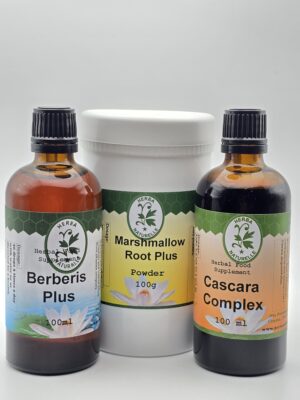 Digestive reset bundle
Original price was: £151.65.£144.95Current price is: £144.95.
-
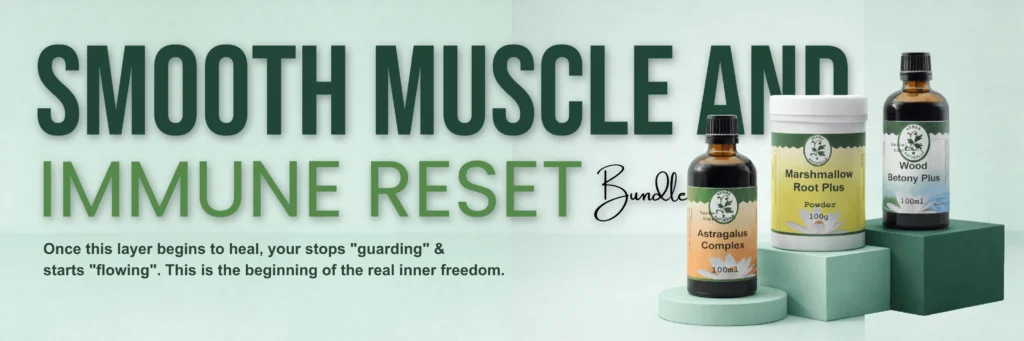
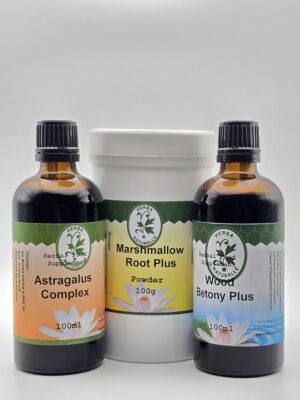 Smooth muscle and immune reset Bundle
Original price was: £177.60.£159.95Current price is: £159.95.
-
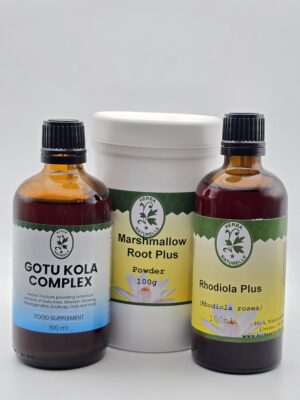 Nervous System Reset
Original price was: £163.68.£149.95Current price is: £149.95.
-
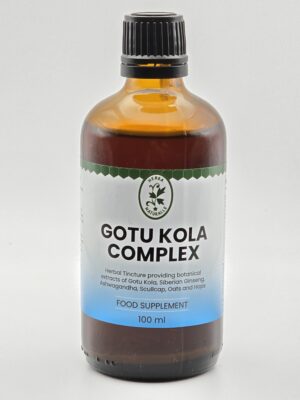 Gotu Kola Complex
£26.95

About the Author

Holistic Herbalist in UK · 30 Years of Excellence at Croydon, GB
Angela Jegnathan brings over 30 years of experience in integrated medicine and more than 25 years of full-time clinical herbal practice. Specializing in holistic herbal medicine, she focuses on restoring digestive health, calming the nervous system, and supporting the body's natural inflammatory response through evidence-based, patient-centered care.
Expertise: Holistic Herbs, Natural Medicines, Herbal Health
30 years of experience
