
Bibhitaki (Terminalia bellirica): The Respiratory and Detox Fruit
Bibhitaki — Terminalia bellirica — is one of the three great Ayurvedic fruits that compose Triphala, the most widely used herbal formula in the Ayurvedic tradition. Where Haritaki (Terminalia chebula) is considered the most important tonic fruit and Amla (Embilica officinalis) is the premier antioxidant, Bibhitaki’s particular strengths lie in its action on the respiratory system, its powerful laxative and digestive-cleansing action, and its significant liver and detoxification support.
Known in Sanskrit as Vibhitaki — meaning “fearless of disease” — Bibhitaki reflects the ancient confidence that regular use of this fruit supports a level of vitality and bodily cleanliness that keeps chronic disease at bay. At Herba Naturalle, Bibhitaki is listed in the comprehensive herb index alongside Amla and Haritaki as part of the great Ayurvedic fruit medicine tradition.
Botanical Identity
Terminalia bellirica is a large deciduous tree of the Combretaceae family, related to Arjuna (Terminalia arjuna) and Haritaki (Terminalia chebula). It grows to 20–30 metres and is found throughout the Indian subcontinent. The fruit — the medicinal part — is an oval drupe approximately 3cm long, with a thin fleshy layer over a hard stone. When dried, the reddish-brown fruit is used whole or as powder in Ayurvedic preparations.
Active Compounds
- Tannins — ellagic acid, gallic acid, chebulagic acid, chebulinic acid; high tannin content responsible for astringent and antimicrobial activity
- Saponins — bellericaside and others; contributing laxative and expectorant action
- Lignans — with antioxidant and hepatoprotective properties
- Phytosterols — beta-sitosterol and related compounds
- Glycosides — including bellericanin and terflavonin
Clinical Applications
Respiratory health: Bibhitaki has a specific affinity for the respiratory system in Ayurvedic classification — it is considered Kasahara (anti-cough) and Shwasahara (anti-asthmatic). Its saponin content provides expectorant action, loosening and promoting expectoration of mucus; its tannins reduce mucosal inflammation and excessive secretion; and its antimicrobial activity supports resolution of respiratory infections. The Lungwort Plus from Herba Naturalle provides complementary lower respiratory mucosal support.
Constipation and bowel cleansing: Bibhitaki has a gentle but effective laxative action — one of the primary reasons for its inclusion in Triphala. It increases bowel motility, softens stool, and promotes thorough bowel evacuation without the griping associated with anthraquinone laxatives. As part of Triphala, it provides the detoxifying and bowel-regulating core of the Digestive Reset Bundle approach.
Liver support: Bibhitaki demonstrates hepatoprotective activity in multiple experimental models, reducing liver enzyme elevation and protecting hepatocytes from toxic damage.
Eye health: Traditional Ayurvedic use of Bibhitaki in eye conditions — particularly for improving vision and protecting the eyes — is supported by the antioxidant and anti-inflammatory properties of its polyphenol content.
Antimicrobial: Broad-spectrum antimicrobial activity including against H. pylori, E. coli, and various Staphylococcus strains.
Hair health: Bibhitaki oil preparations have traditional use for hair strength and scalp health.
Typical use: 1–3g of fruit powder daily, or as part of Triphala formula; tincture 2–4ml daily.
Safety
Extremely safe as a tonic herb. Avoid in pregnancy (laxative action). Diarrhoea may occur at higher doses — reduce dose accordingly. Contact Herba Naturalle for Ayurvedic herbal advice. Browse the complete herb index and all products.
This article is for informational purposes only. Please consult a qualified practitioner before use.
Our Trending Products & Bundles
-
 Digestive reset bundle
Original price was: £151.65.£144.95Current price is: £144.95.
Digestive reset bundle
Original price was: £151.65.£144.95Current price is: £144.95.
-
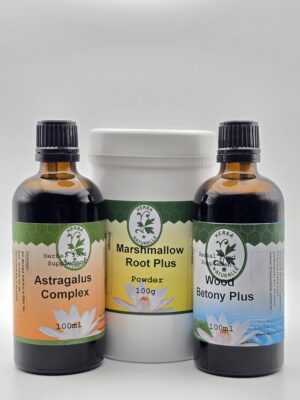 Smooth muscle and immune reset Bundle
Original price was: £177.60.£159.95Current price is: £159.95.
Smooth muscle and immune reset Bundle
Original price was: £177.60.£159.95Current price is: £159.95.
-
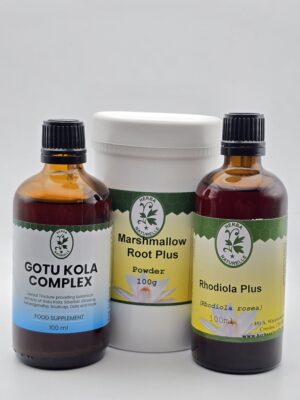 Nervous System Reset
Original price was: £163.68.£149.95Current price is: £149.95.
Nervous System Reset
Original price was: £163.68.£149.95Current price is: £149.95.
-
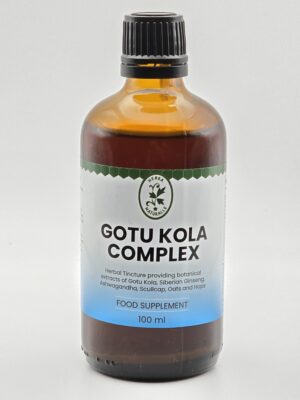 Gotu Kola Complex
£26.95
Gotu Kola Complex
£26.95