Bayberry Root Bark (Myrica cerifera): The Warming Mucous Membrane Herb
Bayberry Root Bark — Myrica cerifera — is a warming, stimulating astringent with a distinguished history in both Native American and Western herbal medicine. Known also as Wax Myrtle or Candle Berry, it was central to the Thomsonian system of American herbal medicine — one of the most influential 19th-century botanical medicine movements. Its primary clinical strength lies in clearing and toning the mucous membranes of the sinuses, upper respiratory tract, and digestive system, making it particularly valuable in the chronic catarrhal presentations so common in the modern clinical practice.
At Herba Naturalle, Bayberry Root Bark is listed in the comprehensive herb index alongside other mucous membrane tonics including Eyebright, Elder Flower, and Golden Rod.
Botanical Identity
Myrica cerifera is a semi-evergreen shrub or small tree native to North America, growing to 3–4 metres in moist woodland and coastal areas. The waxy berries — coated in bayberry wax — have been used to make candles. The root bark is harvested in autumn for medicinal use. It has a distinctive astringent, somewhat bitter taste.
Active Compounds
- Myricitrin (myricetin-3-rhamnoside) — a flavonoid glycoside with anti-inflammatory, antioxidant, and antimicrobial activity; the primary flavonoid of significance
- Tannins (myricatannin and related compounds) — responsible for the astringent action on mucous membranes
- Triterpenes — including taraxerol; with anti-inflammatory properties
- Volatile oils — contributing warming and mild antimicrobial effects
- Galbanic acid — a resinous component
Clinical Applications
Sinus congestion and catarrh: Bayberry Root Bark is a specific herb for chronic catarrh — the persistent production of excess mucus in the sinuses and upper respiratory tract. Its astringent and drying action on the mucous membranes reduces excessive secretion; its circulatory stimulant action improves blood flow to the area, supporting natural resolution of congestion. The Elderflower Complex from Herba Naturalle provides complementary seasonal sinus support.
Upper respiratory infections: The antimicrobial and astringent properties make Bayberry Root Bark useful in acute sinusitis, rhinitis, and pharyngitis with excess mucus production.
Gastrointestinal catarrh: The same drying, toning action applies to mucous membranes throughout the digestive system — relevant in conditions with excessive mucus production in the gut, including mucous colitis.
Peripheral circulation: As a circulatory stimulant, Bayberry Root Bark is useful in cold, poorly perfused constitutions — complementing its mucous membrane action by improving the delivery of immune resources to the site of infection or congestion.
Thyroid support: Historical use in thyroid conditions — Bayberry was used in 19th-century American medicine for both overactive and underactive thyroid conditions; this application requires specialist evaluation.
How to Use
- Tincture (1:3): 1–2ml three times daily — moderate doses are typically sufficient
- Decoction: 1–2 teaspoons dried bark simmered 15 minutes; 1–2 cups daily
Safety
- Pregnancy: Contraindicated — the volatile oils and tannins may stimulate uterine activity
- High doses: May cause nausea due to tannin content
- Sodium content: Bayberry contains myricin, which has sodium-retaining properties at very high doses — not relevant at therapeutic doses
Contact Herba Naturalle for personalised respiratory and sinus herbal support. The about herbal medicine page explains the clinical approach. Browse all products.
This article is for informational purposes only. Please consult a qualified medical herbalist before use.
Our Trending Products & Bundles
-
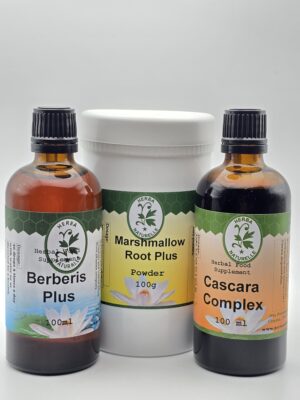 Digestive reset bundle
Original price was: £151.65.£144.95Current price is: £144.95.
Digestive reset bundle
Original price was: £151.65.£144.95Current price is: £144.95.
-
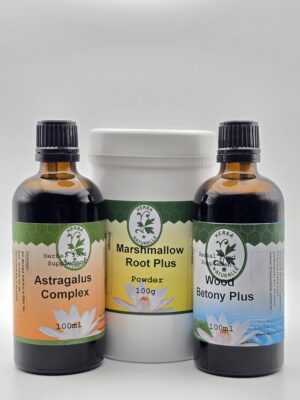 Smooth muscle and immune reset Bundle
Original price was: £177.60.£159.95Current price is: £159.95.
Smooth muscle and immune reset Bundle
Original price was: £177.60.£159.95Current price is: £159.95.
-
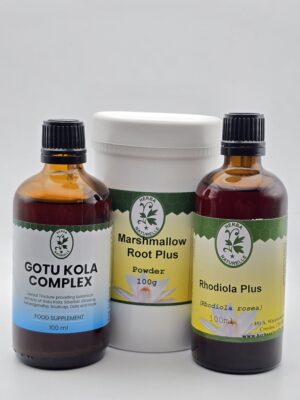 Nervous System Reset
Original price was: £163.68.£149.95Current price is: £149.95.
Nervous System Reset
Original price was: £163.68.£149.95Current price is: £149.95.
-
 Gotu Kola Complex
£26.95
Gotu Kola Complex
£26.95