
Enema UK: Types, Uses, Safety and What to Expect
Enemas have a long history of both medical and wellness use, and remain a subject of significant public interest in the UK, both as a medical treatment for constipation and bowel preparation, and as a complementary practice associated with detoxification and digestive cleansing. This guide explains the different types of enema, their legitimate medical uses, their wellness applications, safety considerations, and when professional guidance is essential.
What Is an Enema?
An enema involves introducing a liquid solution into the rectum and colon via the anus, with the intention of stimulating bowel evacuation, delivering medication, or hydrating the bowel lining. Enemas can be administered at home using commercial kits or in clinical settings by healthcare professionals.
The effects of an enema depend on the type of solution used and the volume administered.
Types of Enema
Cleansing enemas (hypertonic saline or phosphate), introduce a saline solution into the rectum to draw water into the bowel through osmosis, stimulating evacuation. Available without prescription in the UK; brands include Micralax and Fleet. Used medically for constipation relief and bowel preparation before colonoscopy or surgery.
Tap water or normal saline enemas, gentle cleansing enemas using plain water or isotonic saline. Less stimulating than hypertonic options; used in medical settings for gentle bowel preparation or in wellness contexts.
Mineral oil enemas, lubricate and soften impacted stool; useful for faecal impaction where stool is very hard and dry. Available on prescription.
Retention enemas, designed to be held in the bowel for a period of time rather than immediately evacuated. Used in medical settings to deliver medication (such as corticosteroids in ulcerative colitis) directly to the colon lining.
Coffee enemas, used in alternative health and detoxification protocols. Not medically endorsed and not without risk. Coffee enemas involve introducing brewed coffee into the rectum and retaining it for a period. Proponents claim detoxification and liver support benefits; these claims are not supported by robust clinical evidence, and risks including electrolyte imbalance, infection, and bowel perforation have been reported.
Herbal enemas, use herbal teas or extracts rather than plain water; used in traditional medicine traditions and complementary healthcare.
Medical Uses of Enemas in the UK
Constipation and faecal impaction, phosphate and saline enemas are first-line treatments for acute constipation unresponsive to oral laxatives, and for faecal impaction. Available on prescription and, for phosphate enemas, over the counter in some formulations.
Bowel preparation, before colonoscopy, surgery, or certain imaging procedures, the bowel must be cleared. Enemas may be used alongside oral laxative preparations.
Drug delivery, steroid enemas (e.g., Predfoam, Predsol) are prescribed for distal ulcerative colitis or proctitis, delivering anti-inflammatory medication directly to the affected bowel lining with minimal systemic absorption.
Barium enema, a radiology procedure in which barium sulphate is introduced into the colon to allow X-ray imaging of the bowel. Now largely superseded by colonoscopy and CT colonography in UK practice.
What to Expect from an Enema at Home
For over-the-counter phosphate or saline enemas used for constipation:
- Lie on your left side with knees drawn toward your chest
- Insert the tip of the applicator gently into the rectum
- Squeeze the bottle to administer the solution
- Retain for 5–10 minutes if possible, then evacuate over the toilet
- Wash hands thoroughly after use
Most commercial enemas produce a bowel movement within 5–20 minutes of administration.
Safety Considerations
- Do not use enemas more frequently than directed, regular enema use can disrupt the natural bowel reflex, cause electrolyte imbalance, and create dependence
- Phosphate enemas are contraindicated in people with kidney disease, heart failure, or electrolyte abnormalities, the phosphate load can be dangerous
- Bowel perforation, though rare, is a serious risk associated with incorrect technique, always follow the instructions provided with commercial products
- Infection risk, any rectal procedure carries a theoretical risk of introducing bacteria; use sterile equipment
- Coffee enemas specifically carry significant risks including electrolyte depletion, infection, and rectal burns; seek medical advice before considering these
When to See a Doctor About Constipation or Bowel Symptoms
If you are considering an enema for constipation, it is important to first discuss with your GP if:
- You have not had a bowel movement for more than a week
- You have blood in your stool
- You have abdominal pain or vomiting alongside constipation
- You are over 50 and constipation is new
- You have a known history of bowel conditions
A Herbalist’s Approach to Bowel Health
At Herba Naturalle, persistent constipation and sluggish bowel function are understood as signs that the smooth muscle of the intestinal wall has lost its healthy tone and rhythm, not simply that the bowel needs external stimulation to empty. Restoring this internal muscle rhythm creates sustainable bowel health without the dependency risk associated with frequent enema use.
The Berberis Plus and the Digestive Reset Bundle are specifically designed to restore the bowel’s natural muscular rhythm and digestive fire, supporting regular, comfortable evacuation without external stimulation.
Contact the clinic or read more at About Herbal Medicine.
The Herba Naturalle 3-Step Bundle
The Herba Naturalle Bundle addresses the root causes of constipation and sluggish bowel function through three steps:
Step 1, Restore Digestion: The Digestive Reset Bundle restores the natural bowel rhythm and digestive fire, the alternative to relying on enemas.
Step 2, Calm the Surface Nervous System: Stress-related bowel dysfunction is common. The Nervous System Reset addresses the gut-brain connection.
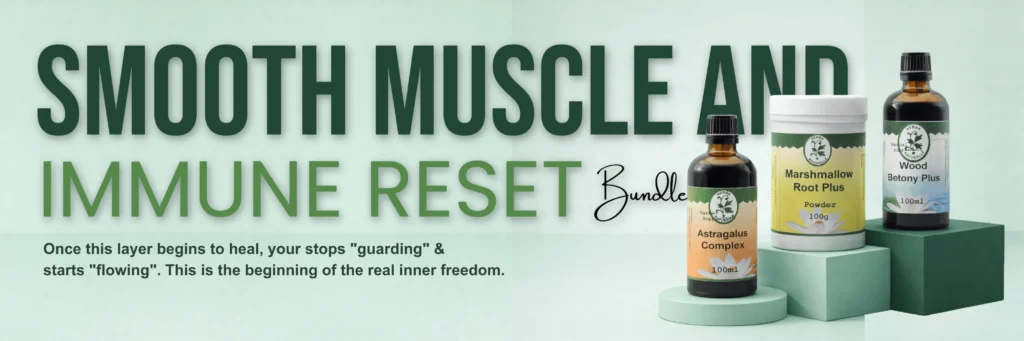
Step 3, Heal the Smooth Muscle Lining: The Smooth Muscle and Immune Reset Bundle restores tone and flexibility to the intestinal smooth muscle wall.
This article is for informational purposes only. Do not use enemas without medical guidance if you have bowel disease, kidney problems, or heart conditions.
Our Trending Products & Bundles
-
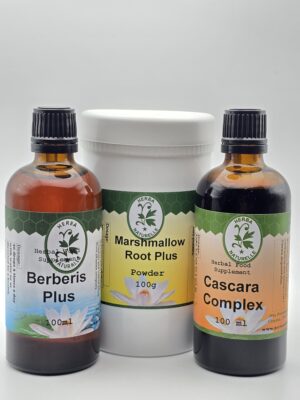 Digestive reset bundle
Original price was: £151.65.£144.95Current price is: £144.95.
Digestive reset bundle
Original price was: £151.65.£144.95Current price is: £144.95.
-
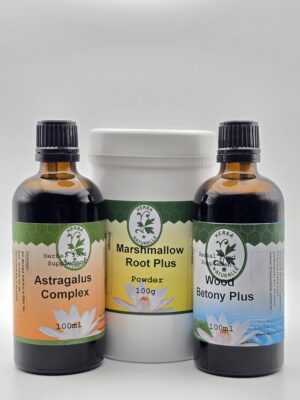 Smooth muscle and immune reset Bundle
Original price was: £177.60.£159.95Current price is: £159.95.
Smooth muscle and immune reset Bundle
Original price was: £177.60.£159.95Current price is: £159.95.
-
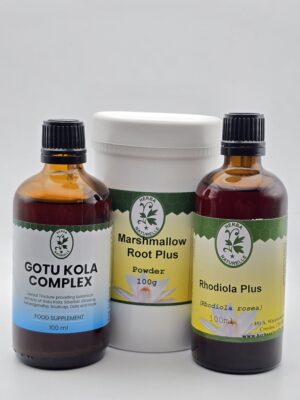 Nervous System Reset
Original price was: £163.68.£149.95Current price is: £149.95.
Nervous System Reset
Original price was: £163.68.£149.95Current price is: £149.95.
-
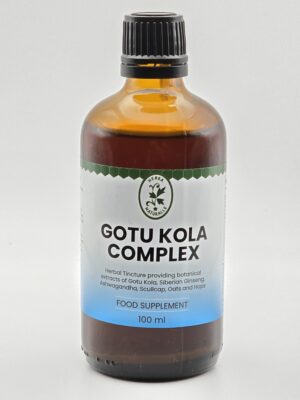 Gotu Kola Complex
£26.95
Gotu Kola Complex
£26.95

About the Author

Holistic Herbalist in UK · 30 Years of Excellence at Croydon, GB
Angela Jegnathan brings over 30 years of experience in integrated medicine and more than 25 years of full-time clinical herbal practice. Specializing in holistic herbal medicine, she focuses on restoring digestive health, calming the nervous system, and supporting the body's natural inflammatory response through evidence-based, patient-centered care.
Expertise: Holistic Herbs, Natural Medicines, Herbal Health
30 years of experience
