
Vegan Probiotics: Understanding Gut Health Without Animal Ingredients
Building a healthy gut microbiome on a plant-based diet is entirely achievable, and in many ways, a well-structured vegan diet provides some of the best possible conditions for microbiome diversity. However, choosing the right probiotic supplement requires more care than most people realise. This guide takes a fresh look at vegan probiotics from a genuinely biological perspective.
What Makes Gut Health Different on a Vegan Diet?
A well-planned vegan diet is typically rich in dietary fibre, the primary food source for the beneficial bacteria in your gut. The gut microbiome of people eating plant-based diets tends to show greater diversity of Firmicutes species, higher production of short-chain fatty acids (SCFAs) such as butyrate, and lower levels of inflammatory species associated with meat-heavy diets.
However, there are nuances. Rapid shifts to a very high-fibre diet can temporarily worsen bloating and gas before the microbiome adapts. Very restrictive vegan diets can also be low in zinc, vitamin B12, and iron, all of which affect gut lining integrity and immune function.
Do Vegans Need Probiotic Supplements?
Not necessarily, but many benefit from them, particularly:
- Those who have taken antibiotics recently
- Those with IBS, chronic bloating, or irregular bowel habits
- Those who are new to a plant-based diet and experiencing digestive adjustment
- Those who eat few or no fermented foods
The gut microbiome is dynamic and responds rapidly to dietary changes. Probiotic supplements can help restore balance after disruption and support the microbiome through periods of dietary transition.
What Hidden Animal Ingredients Lurk in Probiotics?
Many commercial probiotics contain animal-derived ingredients that are not obvious from the front of the packaging:
- Gelatin capsules, the most common issue; gelatin is derived from animal bones and connective tissue
- Lactose, a milk sugar widely used as a filler and carrier in probiotic powders and capsules
- Magnesium stearate, can be from animal or plant sources; animal-derived versions are common
- Vitamin D3, often added to probiotic blends; unless explicitly stated as lichen-derived, D3 is almost always from lanolin (sheep’s wool)
- Milk-based fermentation media, some probiotic bacteria are grown on dairy-based culture media; trace dairy proteins may remain in the final product even if lactose is absent
Identifying a Genuinely Vegan Probiotic
Look for:
- HPMC (hydroxypropyl methylcellulose) or pullulan capsules, both plant-derived
- Explicit statement that fermentation media is non-dairy
- Third-party vegan certification (The Vegan Society trademark is the gold standard in the UK)
- Lichen-sourced vitamin D3 if D3 is included
- Full ingredient transparency including excipients
The Most Beneficial Strains for Vegan Gut Health
The following strains have specific relevance for common gut health concerns in those following plant-based diets:
Lactobacillus plantarum, particularly effective for IBS, bloating, and intestinal permeability. Well-suited to the high-fibre vegan diet environment.
Bifidobacterium longum, supports bowel regularity, reduces anxiety through the gut-brain axis, and produces butyrate, a key anti-inflammatory SCFA.
Lactobacillus acidophilus, supports lactase activity (important in those transitioning away from dairy), modulates immune responses, and competes with pathogenic bacteria.
Saccharomyces boulardii, naturally vegan (a yeast, not a bacterium); excellent for traveller’s diarrhoea, antibiotic recovery, and IBS-D (IBS with predominant diarrhoea).
Bifidobacterium lactis, improves transit time and stool consistency; supports immune function.
Vegan Fermented Foods as Natural Probiotic Sources
Whole fermented foods offer a spectrum of live bacteria that supplements cannot fully replicate:
- Sauerkraut (unpasteurised), rich in Lactobacillus species
- Kimchi, fermented vegetables with a complex mix of lactic acid bacteria
- Miso, add to soups after cooking to preserve live cultures
- Tempeh, also an excellent source of plant protein
- Water kefir, made with kefir grains, sugar, and water; dairy-free
- Kombucha, fermented tea; contains a range of bacteria and yeasts (note: some kombucha brands add honey, so check labels)
The Gut Lining: Beyond the Microbiome
At Herba Naturalle, gut health is understood as more than microbiome diversity. The smooth muscle lining of the gut wall, the layer that surrounds and regulates the intestinal environment, is equally important. When this lining is inflamed, no amount of probiotic supplementation will fully restore gut function, because the environment in which the bacteria live is itself damaged.
The Marshmallow Root Plus, a powerful demulcent and smooth muscle strengthener, and the Berberis Plus, a digestive fire stimulant, work together to restore the gut environment in which a healthy microbiome can genuinely flourish. These are part of the Digestive Reset Bundle.
Read more at About Herbal Medicine or contact the clinic.
The Herba Naturalle 3-Step Bundle
The Herba Naturalle Bundle creates the conditions for genuine, lasting gut health through three steps:
Step 1, Restore Digestion: The Digestive Reset Bundle restores digestive rhythm and the gut environment needed for a healthy microbiome to thrive.
Step 2, Calm the Surface Nervous System: Chronic stress disrupts microbiome composition and gut barrier function. The Nervous System Reset addresses this.
Step 3, Heal the Smooth Muscle Lining: The Smooth Muscle and Immune Reset Bundle heals the structural gut wall, the foundation that all probiotic work ultimately depends upon.
This article is for informational purposes only. Consult a healthcare professional before starting any supplement if you have a diagnosed gut condition or take medication.
Our Trending Products & Bundles
-
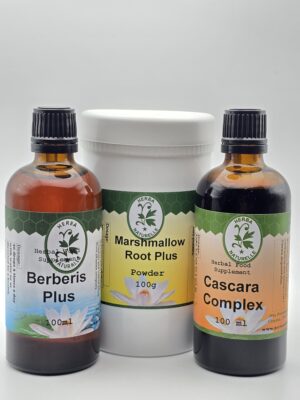 Digestive reset bundle
Original price was: £151.65.£144.95Current price is: £144.95.
Digestive reset bundle
Original price was: £151.65.£144.95Current price is: £144.95.
-
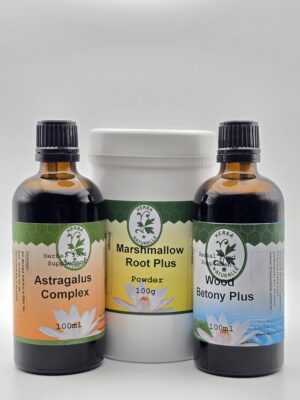 Smooth muscle and immune reset Bundle
Original price was: £177.60.£159.95Current price is: £159.95.
Smooth muscle and immune reset Bundle
Original price was: £177.60.£159.95Current price is: £159.95.
-
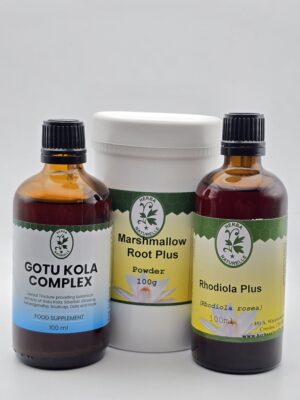 Nervous System Reset
Original price was: £163.68.£149.95Current price is: £149.95.
Nervous System Reset
Original price was: £163.68.£149.95Current price is: £149.95.
-
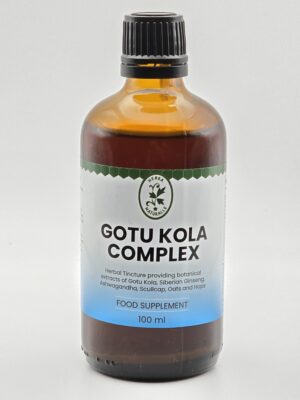 Gotu Kola Complex
£26.95
Gotu Kola Complex
£26.95


About the Author

Holistic Herbalist in UK · 30 Years of Excellence at Croydon, GB
Angela Jegnathan brings over 30 years of experience in integrated medicine and more than 25 years of full-time clinical herbal practice. Specializing in holistic herbal medicine, she focuses on restoring digestive health, calming the nervous system, and supporting the body's natural inflammatory response through evidence-based, patient-centered care.
Expertise: Holistic Herbs, Natural Medicines, Herbal Health
30 years of experience
