
Lavender Essential Oil: A Complete Guide to Its Uses and Benefits
Lavender essential oil is the world’s most widely used plant extract. It sits at the intersection of traditional herbal medicine, evidence-based aromatherapy, and everyday wellness, and it earns its place there. This guide covers everything you need to know about lavender essential oil: what it is, what it genuinely does, how to use it effectively, and how to choose a quality product.
What Is Lavender Essential Oil?
Lavender essential oil is produced by steam distillation of the flowering tops of Lavandula angustifolia (true or English lavender). The flowers are harvested at peak bloom, usually July in the UK and France, and the steam distillation process extracts the volatile aromatic compounds from the plant material.
A single kilogram of essential oil requires approximately 150 kilograms of lavender flowers, which explains both the relatively modest price of lavender compared to other pure essential oils, and the fact that adulteration with synthetic compounds (particularly linalool and linalyl acetate) is commercially commonplace.
Key Active Compounds in Lavender Essential Oil
- Linalool (20–45%), the primary active compound; documented anxiolytic, sedative, anti-inflammatory, and analgesic properties
- Linalyl acetate (25–47%), an ester that modulates the nervous system and contributes to the characteristic floral scent
- Beta-ocimene, terpinen-4-ol, camphor, secondary constituents contributing to antimicrobial and analgesic effects
The Difference Between Lavender Essential Oil and Lavender Aromatherapy Oil
These terms are often used interchangeably but can refer to different products:
- Pure lavender essential oil, 100% extracted plant compound, undiluted, suitable for diffusion and diluted topical use
- Lavender aromatherapy oil, may refer to lavender essential oil, or to a pre-diluted blend (lavender in a carrier oil) ready for topical application
- Lavender fragrance oil, a synthetic or blended aromatic product; not a therapeutic essential oil and lacking the active biological compounds of true lavender oil
For therapeutic purposes, always use pure lavender essential oil from a reputable supplier who provides GC/MS (gas chromatography/mass spectrometry) testing data confirming the chemical composition and purity of the oil.
Evidence-Based Uses of Lavender Essential Oil
Anxiety and stress: Inhaled lavender oil has been shown in multiple randomised controlled trials to reduce anxiety scores, lower salivary cortisol, and reduce physiological stress responses. Effects are measurable within minutes of inhalation and accumulate with regular use.
Sleep disturbance: Lavender aromatherapy increases slow-wave sleep and reduces night-time awakening. A systematic review of 15 studies found consistent improvement in subjective sleep quality with inhaled lavender in populations including insomnia, ICU patients, and those with anxiety-related sleep difficulties.
Headache and migraine: Inhaled lavender oil (15 minutes at headache onset) has been shown in a clinical trial to significantly reduce migraine severity, with approximately 74% of participants reporting a reduction in pain compared to 58% in the placebo group.
Period pain (dysmenorrhoea): Topical application of diluted lavender oil to the lower abdomen, or aromatherapy during menstruation, has been shown to reduce the severity and duration of period pain in several studies.
Post-operative anxiety: Lavender aromatherapy has been studied in a range of pre- and post-surgical settings, consistently showing reductions in state anxiety and requirement for analgesics.
Antimicrobial activity: Lavender oil demonstrates broad-spectrum antimicrobial activity in laboratory studies, effective against bacteria including Staphylococcus aureus, Escherichia coli, and various Candida species.
Minor wound healing and burns: Topical diluted lavender has a traditional history of use for minor burns, insect bites, and skin irritation, supported by its anti-inflammatory and antimicrobial properties.
How to Use Lavender Essential Oil Safely
Diffusion: 5–8 drops in an ultrasonic diffuser; run for 30–60 minutes per session.
Topical: Always dilute, 2% dilution (10–12 drops per 30ml carrier oil) for adults; 0.5–1% for children over 2 years. Apply to temples, wrists, behind ears, soles of feet, or lower abdomen.
Bath: 6–8 drops diluted in a dispersant (carrier oil, cream, or bath salts), do not add undiluted oil directly to bathwater.
Inhalation from tissue: 2–3 drops on a tissue or cotton pad; hold near the nose.
Never ingest lavender essential oil without specific guidance from a qualified aromatherapist or medical practitioner.
Buying a Quality Lavender Essential Oil in the UK
- Look for 100% pure, natural, undiluted lavender essential oil
- The botanical name should be stated: Lavandula angustifolia (not just “lavender”)
- Look for suppliers who provide GC/MS batch testing reports
- Avoid oils labelled only as “lavender fragrance” or sold in very large volumes at unusually low prices, these are almost certainly adulterated or synthetic
- Dark glass bottles (amber or cobalt blue) protect the oil from light degradation, avoid plastic containers
Lavender and Nervous System Health
At Herba Naturalle, lavender is considered an excellent external complement to internal herbal nervous system support. The Nervous System Reset Bundle, including the Gotu Kola Complex with its blend of ashwagandha, scullcap, hops, oats, and Siberian ginseng, provides the deeper physiological foundation that lavender aromatherapy works best alongside.
Explore more at About Herbal Medicine or contact the clinic for a personal consultation.
The Herba Naturalle 3-Step Bundle
The Herba Naturalle Bundle supports the nervous system at a deeper level than aromatherapy alone can reach:
Step 1, Restore Digestion: Neurotransmitter production is largely gut-based. A clear digestive system supports the serotonin and GABA chemistry that lavender complements.
Step 2, Calm the Surface Nervous System: The Nervous System Reset works at the physiological root, while lavender provides a powerful external signal of calm.
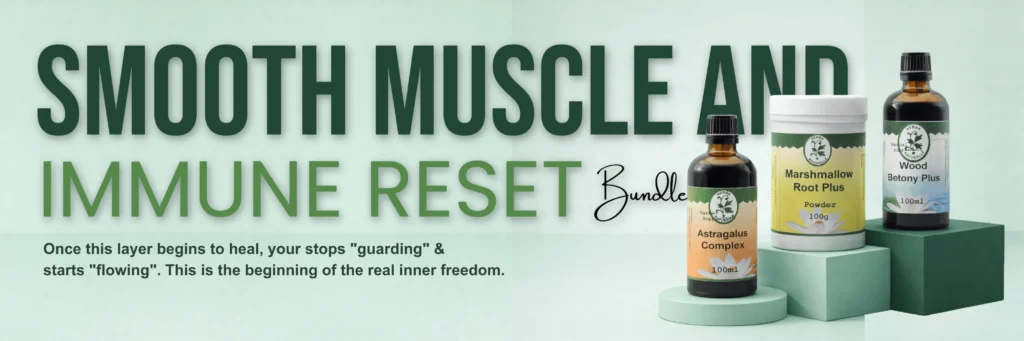
Step 3, Heal the Smooth Muscle Lining: Deep organ inflammation keeps the nervous system in a state of alert. The Smooth Muscle and Immune Reset Bundle removes this hidden driver.
This article is for informational purposes only. Do not use essential oils as a substitute for medical treatment. Consult a healthcare professional if you are pregnant, have a health condition, or take prescription medication.
Our Trending Products & Bundles
-
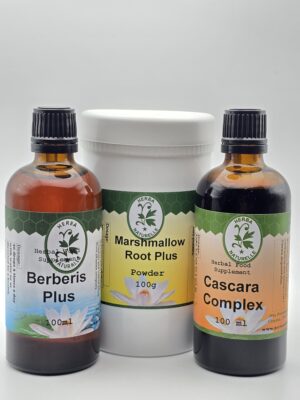 Digestive reset bundle
Original price was: £151.65.£144.95Current price is: £144.95.
Digestive reset bundle
Original price was: £151.65.£144.95Current price is: £144.95.
-
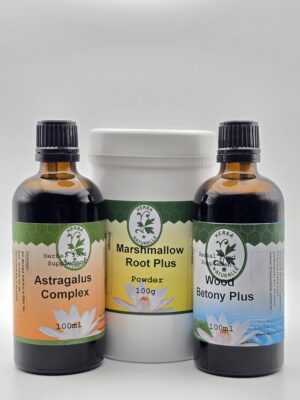 Smooth muscle and immune reset Bundle
Original price was: £177.60.£159.95Current price is: £159.95.
Smooth muscle and immune reset Bundle
Original price was: £177.60.£159.95Current price is: £159.95.
-
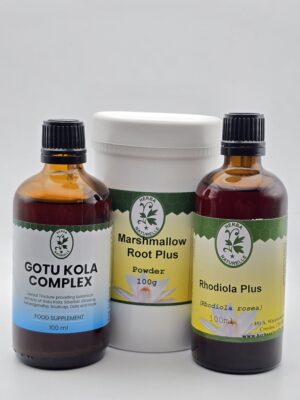 Nervous System Reset
Original price was: £163.68.£149.95Current price is: £149.95.
Nervous System Reset
Original price was: £163.68.£149.95Current price is: £149.95.
-
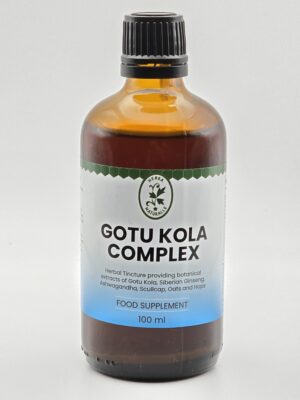 Gotu Kola Complex
£26.95
Gotu Kola Complex
£26.95

About the Author

Holistic Herbalist in UK · 30 Years of Excellence at Croydon, GB
Angela Jegnathan brings over 30 years of experience in integrated medicine and more than 25 years of full-time clinical herbal practice. Specializing in holistic herbal medicine, she focuses on restoring digestive health, calming the nervous system, and supporting the body's natural inflammatory response through evidence-based, patient-centered care.
Expertise: Holistic Herbs, Natural Medicines, Herbal Health
30 years of experience
