Natural Remedies for Gout: Herbal Approaches to Joint Pain and Uric Acid
Gout has a reputation as an old-fashioned condition, but it’s becoming more common, and the sudden, severe pain in a big toe or other joint that characterises a flare-up is unmistakable once you’ve experienced it. Herbal medicine’s role here is specific: supporting uric acid metabolism and reducing inflammation, distinct from general joint care. For that broader picture, see our guide to herbal medicine for arthritis and joint pain.
Understanding Uric Acid
Gout occurs when uric acid builds up in the blood and forms sharp crystals in a joint, triggering intense inflammation. This is a metabolic process as much as a joint one, which is why herbal approaches to gout look quite different from those for general osteoarthritis.
Celery Seed: The Traditional Gout Herb
Celery seed has one of the strongest traditional reputations specifically for gout, used by herbalists to support the kidneys’ role in clearing excess uric acid from the body.
Yellow Dock and Liver Support
Yellow dock root and artichoke both support the liver’s broader detoxification role, which herbalists consider relevant to how efficiently the body handles uric acid alongside other metabolic waste.
Managing the Pain of a Flare-Up
During an acute flare, white willow bark and black willow bark are traditional anti-inflammatory options, both containing compounds related to the origins of aspirin. Meadowsweet shares a similar history, literally the plant that inspired aspirin’s development, and is gentler on the stomach for some people than willow bark.
Devil’s Claw for Joint Discomfort
Devil’s claw root has a well-established traditional and clinical reputation for joint pain and is often used alongside the more gout-specific herbs above during a flare.
The Metabolic Link
Gout frequently occurs alongside other metabolic concerns, so it’s worth reading our guides to herbal medicine for weight management and metabolic health and herbal medicine for type 2 diabetes if gout is one of several health concerns you’re managing.
Diet Still Matters Most
No herb replaces the dietary changes that matter most for gout, particularly reducing alcohol and purine-rich foods. Herbs work best as support alongside those changes, not instead of them.
Get a Tailored Approach
Because gout so often sits alongside other metabolic factors, a full consultation gives a much more complete picture than any single herb. Book an appointment, browse our shop and herb directory, or read more on our About Herbal Medicine page.
Our Trending Products & Bundles
-
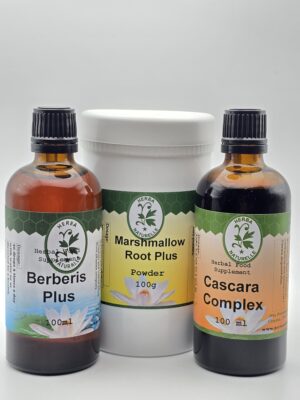 Digestive reset bundle
Original price was: £151.65.£144.95Current price is: £144.95.
Digestive reset bundle
Original price was: £151.65.£144.95Current price is: £144.95.
-
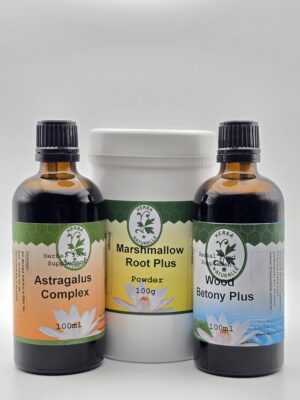 Smooth muscle and immune reset Bundle
Original price was: £177.60.£159.95Current price is: £159.95.
Smooth muscle and immune reset Bundle
Original price was: £177.60.£159.95Current price is: £159.95.
-
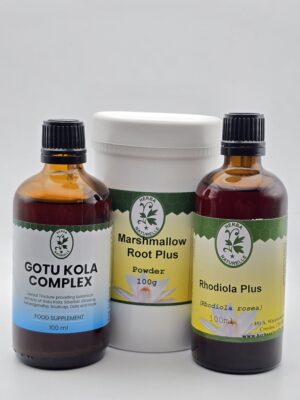 Nervous System Reset
Original price was: £163.68.£149.95Current price is: £149.95.
Nervous System Reset
Original price was: £163.68.£149.95Current price is: £149.95.
-
 Gotu Kola Complex
£26.95
Gotu Kola Complex
£26.95


About the Author

Holistic Herbalist in UK · 30 Years of Excellence at Croydon, GB
Angela Jegnathan brings over 30 years of experience in integrated medicine and more than 25 years of full-time clinical herbal practice. Specializing in holistic herbal medicine, she focuses on restoring digestive health, calming the nervous system, and supporting the body's natural inflammatory response through evidence-based, patient-centered care.
Expertise: Holistic Herbs, Natural Medicines, Herbal Health
30 years of experience
