
Gastroenteritis Symptoms: Sickness Bug, Norovirus and How to Recover Faster
By Anjela Jeganathan – Medical Herbalist | Herba Naturalle
Gastroenteritis — the “sickness bug” or “stomach bug” — is one of the most common acute illnesses in the UK, affecting millions of people every year. Most cases resolve without medical treatment within 2–5 days, but knowing how to manage symptoms effectively, when to seek help, and what to do for faster recovery makes a meaningful difference.
For the full clinical guide to gastroenteritis, gastritis, and how long they last, see our dedicated post on gastritis and sickness bugs — how long they last and how to recover faster.
What Is Gastroenteritis?
Gastroenteritis is inflammation of the stomach and intestines, most commonly caused by a viral infection. The term encompasses both the stomach bug (primarily causing vomiting) and intestinal infections (primarily causing diarrhoea) — though most cases involve both.
What Is Norovirus?
Norovirus — often called the “winter vomiting bug” — is the most common cause of viral gastroenteritis in the UK, responsible for approximately 600,000–1,000,000 cases annually. It is highly contagious, spreading through:
- Direct contact with an infected person
- Contaminated surfaces (the virus survives on surfaces for up to 12 hours)
- Contaminated food and water (particularly shellfish and ready-to-eat foods)
- The vomit and faeces of infected individuals
Norovirus is not seasonal in the way influenza is, but it peaks in winter months.
Gastroenteritis Symptoms
The classic symptoms of viral gastroenteritis appear suddenly, 12–48 hours after exposure:
- Sudden-onset nausea
- Vomiting — often projectile, and typically the dominant symptom in norovirus
- Diarrhoea — watery, frequent, without blood (blood in diarrhoea suggests bacterial gastroenteritis or IBD — see your GP)
- Stomach cramps — cramping abdominal pain that comes in waves
- Low-grade fever — temperature of 37.5–38.5°C
- Muscle aches and headache — particularly in norovirus
- Loss of appetite
Stomach Bug Symptoms: Viral vs Bacterial
Most stomach bugs in the UK are viral and self-limiting. Features that suggest bacterial gastroenteritis (requiring GP assessment) include:
- High fever above 38.5°C
- Blood or pus in diarrhoea
- Severe abdominal pain
- Symptoms lasting more than 7 days
- Recent foreign travel
What Kills the Stomach Virus?
Nothing “kills” norovirus inside the body — the immune system resolves it within 1–3 days. However, preventing spread is critical:
- Thorough handwashing with soap and water (hand sanitiser is less effective against norovirus)
- Bleach-based cleaning of contaminated surfaces (1:10 bleach solution)
- Do not prepare food for others while symptomatic and for 48 hours after recovery
- Wash contaminated clothing and bedding at 60°C or above
How to Recover Faster
Hydration — The Priority
Dehydration is the primary risk of gastroenteritis, particularly in elderly people, children, and those with underlying health conditions.
- Sip small amounts of fluid frequently — 1 small glass every 15–20 minutes
- Oral rehydration sachets (ORS) — the most effective option, replacing both fluids and electrolytes
- Water, diluted squash, and clear broths are appropriate alternatives
- Avoid full-sugar drinks, milk, and alcohol
Eating During and After Gastroenteritis
- When appetite returns (typically 24–48 hours in), begin with bland, easy-to-digest foods: toast, plain rice, crackers, boiled potatoes, banana
- Avoid dairy, fatty foods, spicy foods, and raw vegetables initially
- The gut recovers its full function within 5–7 days for most people
Herbal Support
Ginger (Zingiber officinale) has Cochrane-reviewed evidence for reducing nausea and vomiting — ginger tea or ginger capsules are safe and effective during gastroenteritis recovery. Chamomile tea soothes the inflamed gut lining and reduces intestinal spasm.
When to See a Doctor
Seek medical attention for gastroenteritis if:
- An infant or young child is unable to keep fluids down for more than 24 hours
- An elderly person or someone with underlying health conditions cannot maintain adequate hydration
- Symptoms are not improving after 5–7 days
- There is blood in vomit or diarrhoea
- Severe abdominal pain is present
The gut health context — including how the gut lining recovers after infection — is explored in our post on understanding your digestive system.
This article is for educational purposes only. Seek medical advice if you are concerned about dehydration or worsening symptoms.
Our Trending Products & Bundles
-
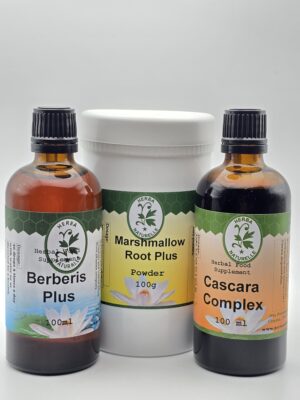 Digestive reset bundle
Original price was: £151.65.£144.95Current price is: £144.95.
Digestive reset bundle
Original price was: £151.65.£144.95Current price is: £144.95.
-
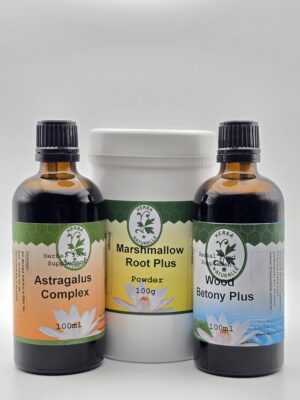 Smooth muscle and immune reset Bundle
Original price was: £177.60.£159.95Current price is: £159.95.
Smooth muscle and immune reset Bundle
Original price was: £177.60.£159.95Current price is: £159.95.
-
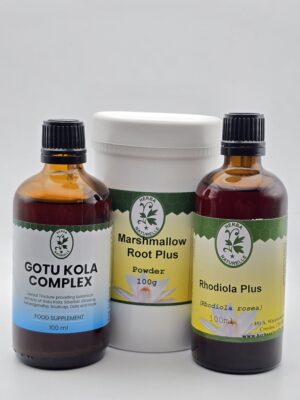 Nervous System Reset
Original price was: £163.68.£149.95Current price is: £149.95.
Nervous System Reset
Original price was: £163.68.£149.95Current price is: £149.95.
-
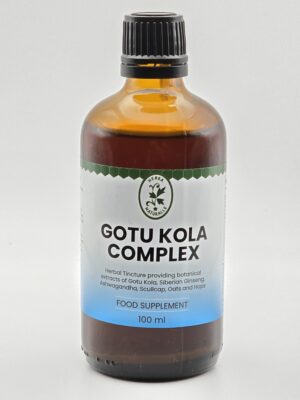 Gotu Kola Complex
£26.95
Gotu Kola Complex
£26.95


About the Author

Holistic Herbalist in UK · 30 Years of Excellence at Croydon, GB
Angela Jegnathan brings over 30 years of experience in integrated medicine and more than 25 years of full-time clinical herbal practice. Specializing in holistic herbal medicine, she focuses on restoring digestive health, calming the nervous system, and supporting the body's natural inflammatory response through evidence-based, patient-centered care.
Expertise: Holistic Herbs, Natural Medicines, Herbal Health
30 years of experience
