What Is Diverticulitis? Treatment, Symptoms and What to Eat
By Anjela Jeganathan – Medical Herbalist | Herba Naturalle
Diverticulitis is one of the most common conditions affecting the colon in adults over 50 in the UK — yet many people who are diagnosed with it have significant uncertainty about what is actually happening in their gut, what the difference is between diverticulosis and diverticulitis, and what they need to do to manage it. This guide addresses all of those questions clearly.
What Is Diverticular Disease?
Diverticulosis is the presence of small, pouch-like outpouchings (diverticula) in the wall of the colon. These form when high pressure within the colon (usually from a low-fibre diet that produces hard stools and high straining forces) causes weaknesses in the muscular bowel wall to bulge outwards.
Diverticulosis is extremely common — affecting approximately 50% of people over 60 in the UK — and produces no symptoms in most people.
Diverticulitis occurs when one or more diverticula become infected or inflamed. This is the symptomatic condition that requires medical treatment.
The anatomy of the colon and the full digestive system is explained in our educational post on the digestive system, colon and bowel anatomy.
Diverticulitis Symptoms
- Left-sided lower abdominal pain — typically in the left iliac fossa (lower left quadrant), where the sigmoid colon sits. This is the most distinctive feature — diverticulitis is sometimes called “left-sided appendicitis” for this reason
- Fever — often 38°C or above, reflecting active infection
- Nausea and sometimes vomiting
- Change in bowel habit — either constipation or diarrhoea, or alternating
- Bloating and distension
- Tenderness on palpation of the left lower abdomen
Severity: Uncomplicated vs Complicated
Uncomplicated diverticulitis — infection of the diverticula without perforation, abscess, or fistula formation. This is the majority of presentations and responds to antibiotics and dietary rest.
Complicated diverticulitis — involves one of:
- Perforation — the diverticulum ruptures, releasing bowel contents into the abdominal cavity (peritonitis) — surgical emergency
- Abscess formation — collection of pus adjacent to the colon
- Fistula — abnormal connection between the colon and another organ (most commonly the bladder)
- Bowel obstruction — from inflammatory scarring
Diverticulitis Treatment
For uncomplicated diverticulitis:
- Antibiotics — the standard NHS treatment (co-amoxiclav or metronidazole plus trimethoprim)
- Liquid/low-fibre diet during the acute phase — to rest the bowel and reduce stool bulk passing through the inflamed segment
- Paracetamol for pain (NOT ibuprofen or aspirin, which impair gut healing)
- Hospital admission for those unable to manage oral antibiotics or who are unwell
After recovery:
- Gradual reintroduction of dietary fibre is essential to prevent recurrence
- A high-fibre diet long-term reduces the risk of further episodes
What to Eat With Diverticulitis
During an acute attack (low fibre phase):
- Clear fluids initially (water, clear broth, plain juice)
- Gradually introduce white bread, white rice, eggs, well-cooked fish, and lean chicken
- Avoid all high-fibre foods, seeds, nuts, and raw vegetables during the acute phase
After recovery (long-term high-fibre phase):
- Vegetables, fruit, legumes, wholegrain bread and cereals
- Aim for 30g of dietary fibre daily
- Adequate fluid intake (minimum 2 litres of water daily)
The cholesterol and heart-healthy dietary guidance in our post on cholesterol-lowering foods and heart-healthy eating overlaps with the high-fibre dietary principles relevant to diverticular disease prevention.
Bloating and abdominal discomfort during diverticular disease recovery can be managed with many of the same approaches outlined in our guide to bloating, trapped wind and constipation.
This article is for educational purposes only. Diverticulitis requires medical treatment — see your GP promptly.
Our Trending Products & Bundles
-
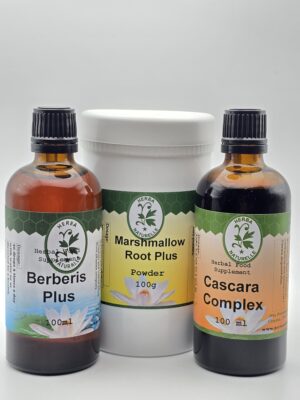 Digestive reset bundle
Original price was: £151.65.£144.95Current price is: £144.95.
Digestive reset bundle
Original price was: £151.65.£144.95Current price is: £144.95.
-
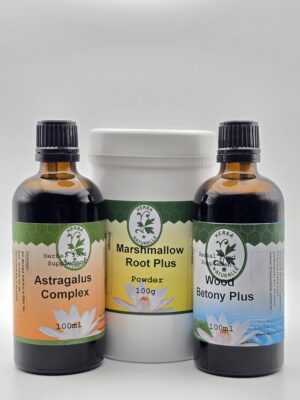 Smooth muscle and immune reset Bundle
Original price was: £177.60.£159.95Current price is: £159.95.
Smooth muscle and immune reset Bundle
Original price was: £177.60.£159.95Current price is: £159.95.
-
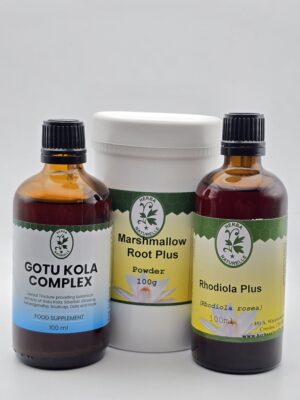 Nervous System Reset
Original price was: £163.68.£149.95Current price is: £149.95.
Nervous System Reset
Original price was: £163.68.£149.95Current price is: £149.95.
-
 Gotu Kola Complex
£26.95
Gotu Kola Complex
£26.95

About the Author

Holistic Herbalist in UK · 30 Years of Excellence at Croydon, GB
Angela Jegnathan brings over 30 years of experience in integrated medicine and more than 25 years of full-time clinical herbal practice. Specializing in holistic herbal medicine, she focuses on restoring digestive health, calming the nervous system, and supporting the body's natural inflammatory response through evidence-based, patient-centered care.
Expertise: Holistic Herbs, Natural Medicines, Herbal Health
30 years of experience
