Digestive System Diagram Explained: Small Intestine,Large Intestine and Bowel
By Anjela Jeganathan – Medical Herbalist | Herba Naturalle
Understanding your digestive system is foundational to understanding your health. The digestive tract is not simply a tube that processes food — it is a complex organ system spanning approximately 9 metres from mouth to anus, performing thousands of coordinated functions every hour that sustain life. Knowing where each part sits, what it does, and what happens when it malfunctions helps make sense of the wide range of digestive symptoms that people experience.
For the full clinical overview of digestive health and its connection to whole-body health, see our comprehensive post on gut and digestive health — understanding your digestive system.
The Digestive Canal: A Top-to-Bottom Guide
Mouth and Oesophagus
Digestion begins in the mouth, where salivary amylase begins breaking down starch. The oesophagus carries food from the mouth to the stomach via peristaltic contractions and the action of the lower oesophageal sphincter. Dysfunction here produces symptoms of reflux and heartburn.
Stomach
The stomach churns food with hydrochloric acid and pepsin to begin protein digestion, producing chyme — the partially digested food mass that passes into the small intestine. The stomach also produces intrinsic factor, essential for vitamin B12 absorption. Gastritis — inflammation of the stomach lining — is explored in our post on gastritis, sickness bugs and recovery.
Small Intestine: Where Digestion Happens
The small intestine (also called the small bowel or small gut) is the longest section of the digestive canal, measuring approximately 6 metres in adults. It is divided into three sections:
Duodenum — the first 25cm of the small intestine; receives bile from the gallbladder and pancreatic enzymes from the pancreas. The majority of active digestion occurs here.
Jejunum — the middle section (approximately 2.5 metres); the primary site of nutrient absorption. The inner wall is covered in millions of microscopic finger-like projections called villi (and microvilli on each villus — the “brush border”), dramatically increasing the surface area for absorption.
Ileum — the final 3.5 metres of the small intestine; continues nutrient absorption and specifically absorbs vitamin B12, bile acids, and fat-soluble vitamins. The ileum connects to the large intestine at the ileocaecal valve.
Where is the small intestine? It sits in the central and lower abdomen, occupying most of the abdominal cavity and overlying the large intestine.
Large Intestine: The Colon and Bowel
The large intestine (also called the colon or large bowel) is approximately 1.5 metres long and sits around the periphery of the abdominal cavity, framing the small intestine. Its primary functions are:
- Water and electrolyte absorption — the large intestine absorbs water from the liquid chyme arriving from the small intestine, concentrating it into formed stool
- Microbial fermentation — the gut microbiome (trillions of bacteria) ferment undigested fibres, producing short-chain fatty acids that feed the colonic cells and influence whole-body health
- Stool storage and elimination
The large intestine has four main sections:
Caecum — the pouch-like beginning of the large intestine in the lower right abdomen, where the small intestine joins. The appendix hangs from the caecum.
Ascending colon — runs up the right side of the abdomen.
Transverse colon — crosses the abdomen from right to left, below the stomach and liver.
Descending colon — runs down the left side of the abdomen.
Sigmoid colon — the S-shaped final section of the colon, connecting to the rectum.
Rectum and anus — store and eliminate stool.
Where is your bowel in your body? The large intestine (bowel) frames the outside of the abdominal cavity — ascending on the right, crossing at the top, descending on the left, and completing in the pelvis.
What Goes Wrong: Common Conditions by Location
- Small intestine problems — Coeliac disease, Crohn’s disease (can affect any part), bacterial overgrowth (SIBO), nutrient malabsorption
- Large intestine problems — IBS, ulcerative colitis, diverticular disease, colon cancer, constipation, diarrhoea
These conditions are explored in detail in our post on IBS, IBD, UC and bowel cancer — understanding your intestinal symptoms.
The connection between poor gut function and wider health — including cardiovascular risk — is relevant to our post on visceral fat and the organs it surrounds.
This article is for educational purposes only. Please consult your GP for any digestive symptoms that concern you.
Our Trending Products & Bundles
-
 Digestive reset bundle
Original price was: £151.65.£144.95Current price is: £144.95.
Digestive reset bundle
Original price was: £151.65.£144.95Current price is: £144.95.
-
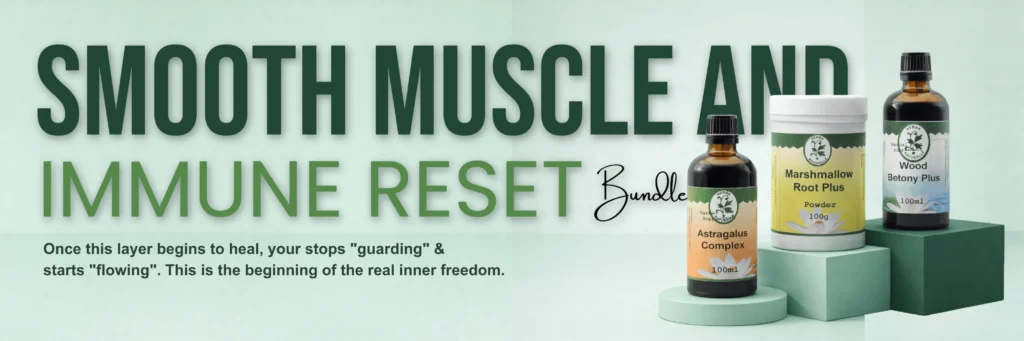
 Smooth muscle and immune reset Bundle
Original price was: £177.60.£159.95Current price is: £159.95.
Smooth muscle and immune reset Bundle
Original price was: £177.60.£159.95Current price is: £159.95.
-
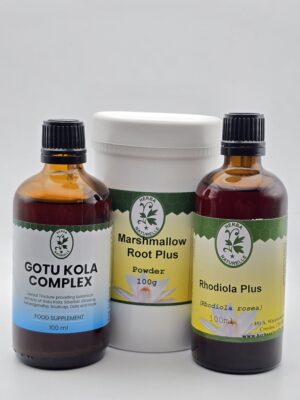 Nervous System Reset
Original price was: £163.68.£149.95Current price is: £149.95.
Nervous System Reset
Original price was: £163.68.£149.95Current price is: £149.95.
-
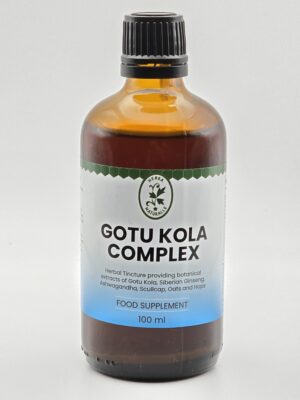 Gotu Kola Complex
£26.95
Gotu Kola Complex
£26.95

About the Author

Holistic Herbalist in UK · 30 Years of Excellence at Croydon, GB
Angela Jegnathan brings over 30 years of experience in integrated medicine and more than 25 years of full-time clinical herbal practice. Specializing in holistic herbal medicine, she focuses on restoring digestive health, calming the nervous system, and supporting the body's natural inflammatory response through evidence-based, patient-centered care.
Expertise: Holistic Herbs, Natural Medicines, Herbal Health
30 years of experience
