Women’s Health and Herbal Medicine: Hormones, Cycles and Natural Support
By Anjela Jeganathan – Medical Herbalist | Herba Naturalle
Women’s hormonal health is one of the richest and most rewarding areas of clinical herbal practice. From the first appearance of the menstrual cycle through the hormonal transitions of pregnancy, post-partum recovery, perimenopause, and menopause, the female endocrine system is dynamic, sensitive to external influences, and remarkably responsive to well-chosen herbal support.
The Menstrual Cycle and PMS
Premenstrual syndrome encompassing mood changes, breast tenderness, bloating, fluid retention, cramping, and the cyclical digestive disturbance that often accompanies hormonal shifts affects a significant proportion of women and is frequently undertreated within conventional medicine.
Herbal medicine offers specific and evidence-supported tools. Agnus-castus (Vitex agnus-castus) is the most well-evidenced herb for PMS, with multiple RCTs confirming reductions in breast tenderness, mood changes, and overall PMS severity through its dopaminergic action on prolactin regulation. It is the first herb many herbalists reach for in the premenstrual constellation.
Lady’s Mantle, Cramp Bark, and Ginger address the uterine spasm and cramping of dysmenorrhoea. Dandelion Leaf manages the fluid retention of the premenstrual phase. And the nervines Chamomile, Passionflower, and Lemon Balm address the emotional and nervous system component. Our recent post on chamomile and valerian for anxiety and sleep explores two of these nervines in clinical detail.
PCOS and Insulin Resistance
Polycystic ovary syndrome is fundamentally a condition of insulin resistance and androgen excess, and it is strikingly responsive to lifestyle and herbal intervention precisely because of this metabolic root. The connection to visceral fat, discussed in our article on visceral fat and its health implications, is directly relevant reducing visceral fat often produces meaningful improvements in PCOS symptoms.
Spearmint tea has clinical evidence for reducing androgens in PCOS. Berberine (from herbs including Barberry and Berberis) has Cochrane-reviewed evidence for improving insulin sensitivity comparable to metformin.
Menopause and Perimenopause
The menopausal transition is one of the richest areas of herbal medicine encompassing hot flushes, sleep disturbance, mood changes, vaginal dryness, and cardiovascular risk changes. The phyto-oestrogenic herbs Red Clover, Soy Isoflavones, Sage, and Black Cohosh each address different aspects of the oestrogen withdrawal symptom picture with varying evidence bases.
Sage Leaf is particularly well-evidenced for hot flushes a clinical trial demonstrated a 79% reduction in intense hot flushes over 8 weeks. Lemon Balm and Valerian address the sleep disturbance and anxiety of perimenopause. Shatavari Ayurveda’s premier female reproductive tonic provides a broader hormonal and adaptogenic support for the transition.
The Connection Between Gut Health and Hormonal Health
The gut microbiome plays a crucial role in hormone metabolism, including the deconjugation and reabsorption of oestrogen. Poor gut health can disrupt oestrogen clearance, contributing to oestrogen excess or oestrogen-dominant patterns. This is why herbal medicine for women’s hormonal health almost always includes attention to digestive health as explored in our post on understanding the digestive system holistically.
This article is for educational purposes only. Please consult your GP for any gynaecological concerns.
Our Trending Products & Bundles
-
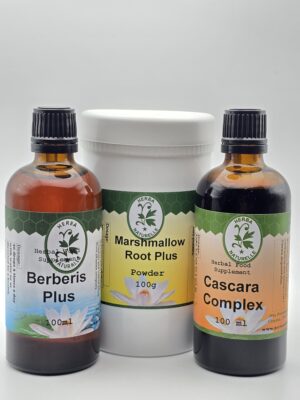 Digestive reset bundle
Original price was: £151.65.£144.95Current price is: £144.95.
Digestive reset bundle
Original price was: £151.65.£144.95Current price is: £144.95.
-
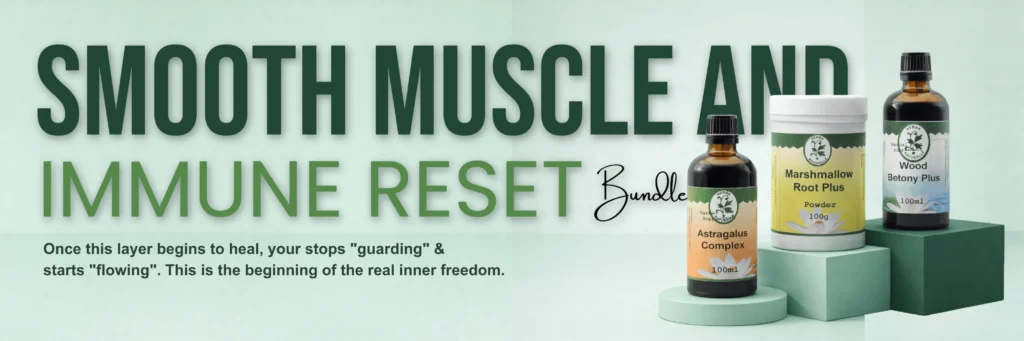
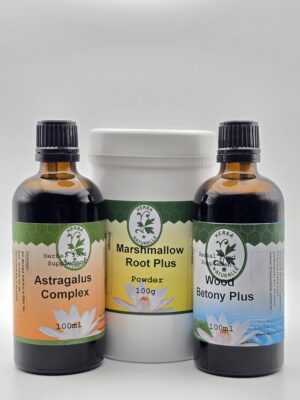 Smooth muscle and immune reset Bundle
Original price was: £177.60.£159.95Current price is: £159.95.
Smooth muscle and immune reset Bundle
Original price was: £177.60.£159.95Current price is: £159.95.
-
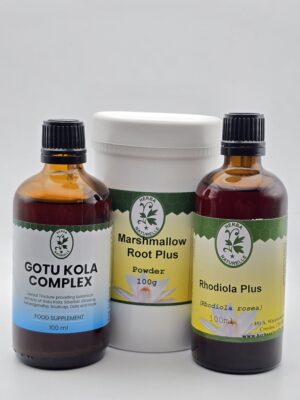 Nervous System Reset
Original price was: £163.68.£149.95Current price is: £149.95.
Nervous System Reset
Original price was: £163.68.£149.95Current price is: £149.95.
-
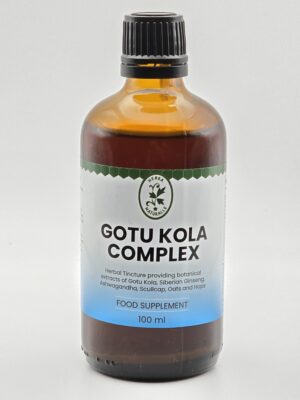 Gotu Kola Complex
£26.95
Gotu Kola Complex
£26.95

About the Author

Holistic Herbalist in UK · 30 Years of Excellence at Croydon, GB
Angela Jegnathan brings over 30 years of experience in integrated medicine and more than 25 years of full-time clinical herbal practice. Specializing in holistic herbal medicine, she focuses on restoring digestive health, calming the nervous system, and supporting the body's natural inflammatory response through evidence-based, patient-centered care.
Expertise: Holistic Herbs, Natural Medicines, Herbal Health
30 years of experience
