Herbal Medicine for Heart Health: What the Evidence Shows
By Anjela Jeganathan – Medical Herbalist | Herba Naturalle
Cardiovascular disease remains the leading cause of death in the United Kingdom, yet a meaningful proportion of cardiovascular risk is modifiable through diet, lifestyle, and, with appropriate clinical guidance, herbal and nutritional medicine. Understanding the evidence base for herbal approaches to heart health is important both for patients seeking support and for practitioners integrating herbal medicine with conventional cardiovascular care.
The Cardiovascular Risk Picture
Cardiovascular risk is multifactorial. Elevated cholesterol, high blood pressure, chronic low-grade inflammation, poor blood glucose regulation, excess visceral fat, sedentary behaviour, poor sleep, and chronic stress all contribute to the progressive vascular changes that culminate in heart disease and stroke.
Our recent posts on resting heart rate, blood pressure, and what NHS charts mean, cholesterol-lowering foods and heart-healthy eating, and heart attack symptoms in women and the role of exercise explore the cardiovascular risk picture in clinical detail including the patterns that are most important to recognise and address early.
Visceral Fat and the Liver-Heart Connection
One of the most important emerging insights in cardiovascular medicine is the role of visceral fat and fatty liver in cardiovascular risk. Visceral fat drives chronic inflammation, disrupts insulin signalling, raises blood pressure, and contributes to the atherogenic lipid profile that underpins heart disease. Our articles on visceral fat and fatty liver explore this connection in depth.
Key Herbs for Cardiovascular Support
Several herbs have a well-evidenced clinical role in cardiovascular risk management:
Hawthorn (Crataegus spp.) one of the most specifically cardiac herbs in the Western materia medica. Multiple clinical trials confirm that Hawthorn preparations improve cardiac output, reduce blood pressure, and lower heart rate in heart failure and hypertension. The flavonoid oligomeric proanthocyanidins (OPCs) strengthen and tone the heart muscle.
Garlic (Allium sativum) meta-analyses confirm meaningful reductions in both systolic and diastolic blood pressure with standardised Garlic preparations, alongside modest improvements in lipid profiles.
Olive Leaf (Olea europaea) clinical trials show blood pressure reductions comparable to pharmaceutical ACE inhibitors in mild-to-moderate hypertension, through the anti-inflammatory and vasodilatory action of oleuropein.
Turmeric (Curcuma longa) curcumin improves endothelial function, reduces LDL oxidation, and decreases systemic inflammatory markers addressing the chronic inflammation that drives vascular disease.
The Importance of a Whole-Person Approach
A medical herbalist approaching cardiovascular risk considers the full constellation of contributing factors diet, visceral fat, digestive health, stress, sleep, and the individual’s constitutional pattern rather than treating cholesterol or blood pressure as isolated parameters. This whole-person approach allows for a more genuinely preventive strategy than treating individual risk markers in isolation.
This article is for educational purposes only. Never alter cardiovascular medication without consulting your GP.
Our Trending Products & Bundles
-
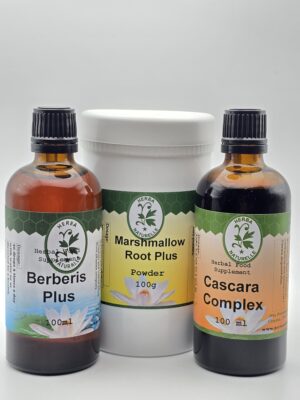 Digestive reset bundle
Original price was: £151.65.£144.95Current price is: £144.95.
Digestive reset bundle
Original price was: £151.65.£144.95Current price is: £144.95.
-
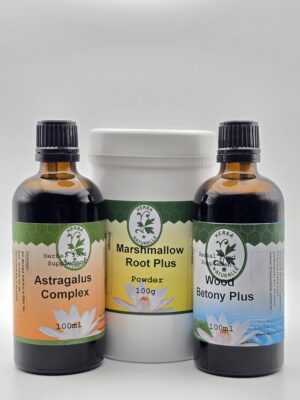 Smooth muscle and immune reset Bundle
Original price was: £177.60.£159.95Current price is: £159.95.
Smooth muscle and immune reset Bundle
Original price was: £177.60.£159.95Current price is: £159.95.
-
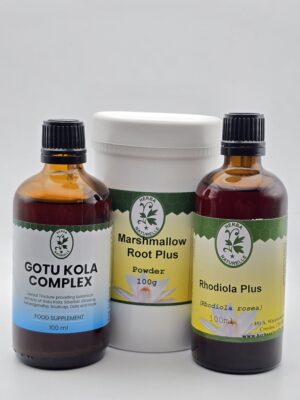 Nervous System Reset
Original price was: £163.68.£149.95Current price is: £149.95.
Nervous System Reset
Original price was: £163.68.£149.95Current price is: £149.95.
-
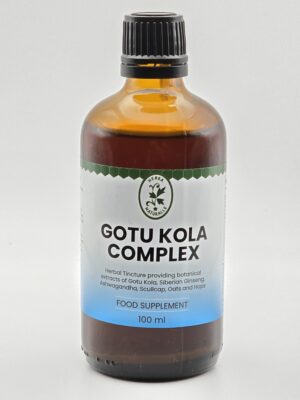 Gotu Kola Complex
£26.95
Gotu Kola Complex
£26.95


About the Author

Holistic Herbalist in UK · 30 Years of Excellence at Croydon, GB
Angela Jegnathan brings over 30 years of experience in integrated medicine and more than 25 years of full-time clinical herbal practice. Specializing in holistic herbal medicine, she focuses on restoring digestive health, calming the nervous system, and supporting the body's natural inflammatory response through evidence-based, patient-centered care.
Expertise: Holistic Herbs, Natural Medicines, Herbal Health
30 years of experience
