Fatty Liver: Early Warning Signs, Risk Factors and Natural Lifestyle Support
By Anjela Jeganathan – Holistic Medical Herbalist | Herba Naturalle
Fatty liver is one of the most common and most underdiagnosed conditions in the modern world. It develops gradually, often without dramatic symptoms, and can be present for years before it is detected on a scan or blood test. Yet the liver is one of the body’s most essential organs — responsible for hundreds of vital functions that support virtually every aspect of health. Understanding fatty liver, recognising the early signals it may produce, and knowing how to support liver health through lifestyle and nutrition, is one of the most important things a person can do for their long-term wellbeing.
What Is Fatty Liver?
Fatty liver — medically termed hepatic steatosis — occurs when excess fat accumulates within liver cells. Some fat in the liver is entirely normal. The liver is involved in fat metabolism and will naturally contain small amounts of fat at any given time. The problem arises when fat accumulation becomes excessive: generally defined clinically as fat comprising more than 5–10% of the liver’s total weight.
There are two primary categories of fatty liver:
Alcoholic Fatty Liver Disease (AFLD) — caused by excessive alcohol consumption, which disrupts the liver’s fat metabolism and causes fat to accumulate within hepatocytes (liver cells).
Non-Alcoholic Fatty Liver Disease (NAFLD) — occurring in people who drink little or no alcohol. NAFLD has become one of the most prevalent liver conditions globally, driven primarily by excess visceral fat, insulin resistance, high sugar consumption, and the wider metabolic changes associated with modern diets and sedentary lifestyles. This article focuses primarily on the NAFLD pattern, as it is the one most relevant to the metabolic health approach at Herba Naturalle.
Within NAFLD, there is a spectrum of progression. Simple fatty liver (steatosis) may remain stable for many years and cause minimal liver damage. However, in some individuals, the accumulation of fat triggers an inflammatory response within the liver — a condition called non-alcoholic steatohepatitis (NASH) — which can progress to fibrosis (scarring), cirrhosis, and in some cases liver failure or liver cancer.
The critical point is that the earlier fatty liver is recognised and addressed, the better the opportunity to prevent this progression.
What the Liver Does — and Why It Matters
The liver is the body’s primary metabolic organ, performing over 500 documented functions. Understanding even a few of them helps to explain why its health is so fundamental to overall wellbeing.
The liver processes and packages nutrients absorbed from the digestive system, regulates blood glucose by storing and releasing glycogen as needed, and synthesises proteins including clotting factors and albumin. It produces bile, essential for the digestion and absorption of dietary fats and fat-soluble vitamins. It metabolises hormones, processes drugs and medications, and filters toxins and waste products from the blood before they can reach general circulation.
When excess fat builds up within liver cells, the efficiency of all of these processes can be gradually compromised. The liver becomes, in effect, overburdened — and this burden can manifest in ways that seem unrelated to liver function: fatigue, digestive difficulty, poor metabolic regulation, hormonal imbalance, and impaired detoxification.
Why Does Fat Accumulate in the Liver?
Fat accumulates in the liver when the rate of fat uptake into liver cells exceeds the rate at which the liver can process or export it. Several metabolic processes contribute to this imbalance:
Excess visceral fat releases free fatty acids directly into the portal circulation — the blood supply that flows from the gut directly to the liver. When visceral fat is elevated, the liver is continuously exposed to a high flux of free fatty acids that it must process, store, or export as very-low-density lipoproteins (VLDL). When this capacity is overwhelmed, fat accumulates within the liver cells themselves.
Insulin resistance impairs the normal regulation of fat metabolism. In an insulin-resistant state, fat cells release more free fatty acids, the liver synthesises more fat from sugar (de novo lipogenesis), and the mechanisms that normally clear fat from the liver become less efficient — all simultaneously driving hepatic fat accumulation.
High sugar intake, particularly fructose, is metabolised almost exclusively in the liver and is a potent driver of hepatic fat synthesis through the de novo lipogenesis pathway. High consumption of soft drinks, fruit juices, and ultra-processed foods with added sugars is one of the most direct dietary drivers of fatty liver.
Sedentary behaviour reduces the overall rate of fat oxidation across the body, reducing the body’s capacity to clear fat from the liver and surrounding tissues.
Risk Factors for Fatty Liver
The conditions most strongly associated with fatty liver include:
Excess visceral fat — The most direct risk factor. The relationship between visceral fat and fatty liver is so consistent that fatty liver is often considered a hepatic manifestation of visceral fat accumulation.
Obesity — Particularly abdominal obesity. However, fatty liver can and does develop in people who are not conventionally “overweight” — particularly in individuals with high visceral fat despite a normal or low body weight (sometimes called “thin fat” or metabolically obese normal weight individuals).
Insulin resistance and type 2 diabetes — Both conditions are strongly associated with fatty liver, and the relationship is bidirectional: insulin resistance promotes fatty liver, and fatty liver worsens insulin resistance.
High sugar and refined carbohydrate consumption — Particularly fructose and glucose from ultra-processed sources.
Sedentary lifestyle — Insufficient daily movement reduces metabolic flexibility and fat-burning capacity.
Poor sleep — Increasingly recognised as an independent risk factor for metabolic dysfunction, including fatty liver.
Certain medications — Some pharmaceutical drugs, including corticosteroids, certain antidepressants, and tamoxifen, can promote hepatic fat accumulation as a side effect.
Early Warning Signs of Fatty Liver
One of the most challenging aspects of fatty liver is that it is frequently entirely silent, particularly in its earlier stages. Many people who are told they have fatty liver on an ultrasound scan are genuinely surprised — they felt broadly well, or attributed their symptoms to other causes.
However, the body does produce signals that, in retrospect, are often recognisable. The most commonly reported early signs include:
Fatigue — Persistent tiredness, particularly if it feels disproportionate to activity levels or does not resolve with adequate rest, is one of the most common symptoms of liver stress. The liver’s role in energy metabolism, glycogen storage, and hormone processing means that its impairment can affect energy production across the entire body.
Reduced energy levels — Related to but distinct from fatigue — a generalised sense of less vitality, less motivation, and a dulling of the energy that was previously normal.
Bloating after meals — Particularly after fatty or rich meals. The liver’s production of bile is essential for fat digestion, and compromised bile production or secretion can manifest as post-meal bloating, fullness, and digestive discomfort.
Difficulty losing weight — The metabolic dysfunction associated with fatty liver and insulin resistance makes fat mobilisation more difficult and appetite regulation less reliable.
Discomfort in the upper right abdomen — The liver sits in the upper right quadrant of the abdomen, beneath the rib cage. A mild, persistent ache or sense of fullness in this area can sometimes indicate liver inflammation or enlargement.
Poor metabolic health markers — Elevated triglycerides, low HDL cholesterol, elevated blood glucose, or raised liver enzymes (ALT, AST, GGT) on blood tests are often the first formal indicators of fatty liver and the metabolic dysfunction that drives it.
The Link Between Visceral Fat and Fatty Liver
The relationship between visceral fat and fatty liver is so direct and so consistent that they are best understood as interconnected manifestations of the same underlying metabolic disruption.
Visceral fat — the metabolically active fat that surrounds the liver, pancreas, and intestines — releases free fatty acids and pro-inflammatory cytokines directly into the portal circulation. The liver, which receives this portal blood first, is therefore the primary organ exposed to the consequences of elevated visceral fat. Free fatty acid overflow from visceral fat is one of the most important drivers of hepatic fat accumulation.
Equally, the inflammatory signals produced by visceral fat directly promote inflammation within the liver, contributing to the progression from simple fatty liver (steatosis) to the more inflammatory state of NASH (non-alcoholic steatohepatitis).
This means that the waist circumference is not just a cosmetic measurement — it is a proxy indicator of visceral fat load and therefore a meaningful indicator of liver stress. People who notice their waist circumference gradually increasing are observing an external marker of a process that is likely also affecting the liver.
How Fatty Liver May Affect Health Over Time
When fatty liver remains unaddressed, the following changes can occur within the liver over time:
Hepatic inflammation (NASH) — In some individuals, the accumulated fat triggers an inflammatory response within the liver, with immune cell infiltration and progressive hepatocyte (liver cell) damage.
Fibrosis — Repeated inflammatory insults cause the liver to develop scar tissue (fibrosis), replacing functional liver cells with non-functional collagen deposits.
Cirrhosis — Extensive fibrosis results in cirrhosis — widespread architectural distortion of the liver with significantly compromised function.
Metabolic amplification — As liver function declines, its capacity to regulate blood glucose, metabolise fats, process hormones, and support detoxification is reduced, further worsening the metabolic conditions that initially drove fatty liver development.
Understanding this progression is not intended to be frightening. The majority of people with fatty liver do not progress to cirrhosis. The purpose of understanding the trajectory is to emphasise the value of early recognition and early action — particularly given that simple fatty liver is highly responsive to lifestyle intervention.
Waist Circumference as an Indicator of Risk
Because of the direct relationship between visceral fat and fatty liver, waist circumference and waist-to-height ratio are clinically meaningful tools for identifying those who may be at elevated liver health risk — even before any formal diagnosis.
Waist-to-height ratio below 0.5 is generally associated with lower metabolic risk for most adults. This simple measurement — waist circumference divided by height, both in the same units — captures visceral fat risk more accurately than BMI alone.
Regular, informal monitoring of waist circumference provides a practical early warning tool. A gradual increase in waist circumference over months or years is a meaningful signal, even if body weight appears stable on the scales.
Lifestyle Approaches That Support Liver Health
Fatty liver — particularly in its earlier stages — is remarkably responsive to lifestyle intervention. The liver is one of the body’s most regenerative organs, and with consistent support, meaningful structural and functional improvement is possible.
Whole Food Nutrition
Reducing highly processed foods, refined sugars, and high-fructose products directly addresses the primary dietary driver of hepatic fat accumulation. Increasing vegetables, legumes, whole grains, quality proteins, and dietary fibre supports insulin sensitivity, reduces inflammatory load, and provides the micronutrients the liver needs for its extensive metabolic functions.
Foods that have particular relevance to liver health include:
- Cruciferous vegetables (broccoli, cauliflower, Brussels sprouts, watercress) — which support liver detoxification pathways
- Bitter foods (rocket, dandelion leaf, artichoke, radicchio) — which support bile production and fat digestion
- Foods rich in choline (eggs, fish, meat, legumes) — as choline is essential for the liver’s export of fat as lipoproteins
- Oily fish and omega-3 rich foods — which have anti-inflammatory effects and directly reduce liver fat in clinical studies
- Herbs and spices including turmeric, ginger, and garlic — with documented anti-inflammatory and hepatoprotective properties
Regular Physical Activity
Exercise reduces hepatic fat through multiple mechanisms — improving insulin sensitivity, increasing fat oxidation, reducing visceral fat, and reducing systemic inflammation. Both aerobic activity and resistance training have demonstrated benefit, and the effects are significant even in the absence of major weight change.
Modest, sustained activity — including regular daily walking — is more achievable and often more metabolically beneficial than infrequent intensive exercise. Post-meal walking in particular is one of the most practical ways to support blood glucose regulation and reduce the metabolic burden on the liver.
Quality Sleep
Insufficient or poor-quality sleep disrupts appetite hormones, increases cortisol, promotes insulin resistance, and is independently associated with fatty liver progression. Prioritising consistent, quality sleep of 7–8 hours is a meaningful intervention for liver and metabolic health.
Stress Management
Chronic stress elevates cortisol, which promotes visceral fat accumulation, worsens insulin resistance, disrupts sleep, and drives appetite towards calorie-dense foods. Addressing chronic stress through sustainable, personalised approaches is not peripheral to liver health — for many individuals, it is central to it.
Small Changes, Meaningful Improvements
One of the most important and encouraging findings from research into fatty liver is that the changes required to produce meaningful improvement do not need to be dramatic.
Studies consistently show that a modest reduction in body weight — in the range of 5–10% — produces significant reductions in liver fat, improvements in liver enzyme levels, and reductions in systemic inflammation. The same studies show that the composition of dietary change (reducing sugars and ultra-processed foods, increasing fibre) can improve liver fat independently of caloric restriction alone.
This means that the goal is not perfection — it is consistent, sustainable improvement in the habits and patterns that most directly influence metabolic and liver health.
Know Your Healthy Normal — Protect Your Liver
The liver is extraordinarily resilient. It has remarkable regenerative capacity and can recover meaningfully even from significant fatty infiltration when the underlying drivers are addressed. But this regenerative potential is most accessible early — before inflammation has driven fibrosis, and before the cumulative burden has become too great.
Knowing your healthy normal — recognising when energy, digestion, waist circumference, or sleep quality begin to shift — is the foundation of proactive liver and metabolic health.
The body speaks in gradual changes before it speaks in diagnoses. Listening to those early signals and responding with consistent, supportive lifestyle choices is one of the most powerful things you can do for your health across the long term.
For educational resources, personalised herbal support, and the full herb index at Herba Naturalle, visit medicalherbalist.org.
Contact Herba Naturalle to discuss personalised herbal support for liver and metabolic health. Browse all herbal products and learn more about the herbal medicine approach.
This article is for educational purposes only. It is not intended to constitute medical advice or to diagnose, treat, or replace the guidance of a qualified healthcare professional. If you have concerns about your liver health or metabolic health, please consult your GP or a qualified practitioner.
Our Trending Products & Bundles
-
 Digestive reset bundle
Original price was: £151.65.£144.95Current price is: £144.95.
Digestive reset bundle
Original price was: £151.65.£144.95Current price is: £144.95.
-
 Smooth muscle and immune reset Bundle
Original price was: £177.60.£159.95Current price is: £159.95.
Smooth muscle and immune reset Bundle
Original price was: £177.60.£159.95Current price is: £159.95.
-
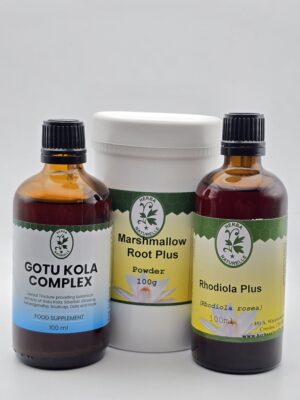 Nervous System Reset
Original price was: £163.68.£149.95Current price is: £149.95.
Nervous System Reset
Original price was: £163.68.£149.95Current price is: £149.95.
-
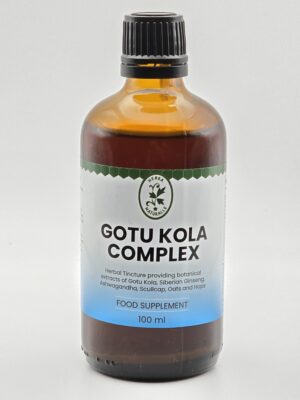 Gotu Kola Complex
£26.95
Gotu Kola Complex
£26.95


About the Author

Holistic Herbalist in UK · 30 Years of Excellence at Croydon, GB
Angela Jegnathan brings over 30 years of experience in integrated medicine and more than 25 years of full-time clinical herbal practice. Specializing in holistic herbal medicine, she focuses on restoring digestive health, calming the nervous system, and supporting the body's natural inflammatory response through evidence-based, patient-centered care.
Expertise: Holistic Herbs, Natural Medicines, Herbal Health
30 years of experience
