Tea Tree (Melaleuca alternifolia): The Antimicrobial Standard
Tea Tree — Melaleuca alternifolia — is the most thoroughly researched antimicrobial essential oil in the world, with over 300 published studies confirming its broad-spectrum antibacterial, antifungal, and antiviral properties. Native to New South Wales, Australia, where it was used by the Bundjalung Aboriginal people as a traditional medicine by crushing the leaves and inhaling the vapours or applying them to wounds, Tea Tree became globally known in the 20th century when its antimicrobial properties were scientifically validated during World War II.
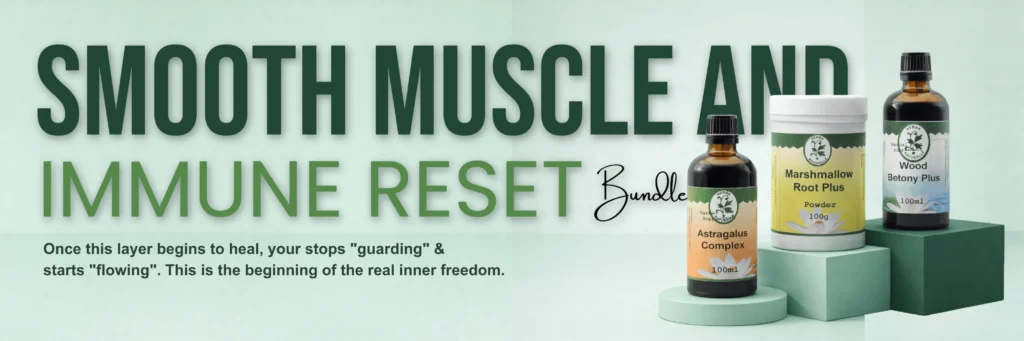
At Herba Naturalle, Tea Tree is listed in the comprehensive herb index as a primary topical antimicrobial herb — directly relevant to skin health, immune support, and the infectious dimensions of the Smooth Muscle and Immune Reset Bundle approach.
Active Compounds
- Terpinen-4-ol (30–48%) — the primary active compound; the most potent antimicrobial constituent; disrupts bacterial and fungal cell membranes; anti-inflammatory through inhibition of histamine-induced responses
- Gamma-terpinene and alpha-terpinene — contributing to the overall antimicrobial activity
- 1,8-Cineole (5–15%) — contributing mild expectorant and anti-inflammatory effects
- Alpha-terpineol — with additional antimicrobial and calming properties
Clinical Evidence
Tea Tree is one of the most clinically validated herbal antimicrobials:
- Acne: RCTs confirm 5% Tea Tree gel comparable to 5% benzoyl peroxide for acne reduction with fewer side effects
- Athlete’s foot (tinea pedis): 25–50% Tea Tree solution significantly reduces infection severity
- Nail fungus (onychomycosis): 100% Tea Tree oil comparable to 1% clotrimazole for nail fungus
- MRSA decolonisation: Tea Tree washes reduce MRSA carriage, with clinical trials in hospital settings
- Dandruff: 5% Tea Tree shampoo significantly reduces Malassezia-driven dandruff
Clinical Applications
Acne
The most widely used application. 5% diluted Tea Tree gel applied to acne lesions reduces inflammatory and non-inflammatory lesion counts with significantly less dryness and irritation than pharmaceutical benzoyl peroxide.
Fungal Infections
Athlete’s foot, nail fungus, vaginal candidiasis (diluted topical), and oral thrush (diluted oil pulling) — Tea Tree provides genuine antifungal efficacy against Candida and dermatophyte species.
Wound Care and Skin Infections
Diluted Tea Tree preparations are used for minor infected wounds, boils, folliculitis, and infected eczema — providing antimicrobial protection and mild anti-inflammatory benefit.
Oral Health
Tea Tree mouthwash preparations reduce plaque, gingivitis, and oral bacterial counts — used for gum disease and oral infections.
Respiratory (Inhalation)
Steam inhalation with a few drops of Tea Tree provides antimicrobial delivery to the sinuses and respiratory tract during infections.
Relevant Blog Posts
- Stop the Inflammation Pandemic: Breathe Easy – Inflammation in the Nose, Sinuses, and Lungs
- Stop the Inflammation Pandemic – The Lymphatic System
- Stop the Inflammation Pandemic: The Digestive System (Part 1)
- Inflammation in Muscles and Joints: The Hidden Link to Autoimmunity
- Welcome to the Final Episode of the Inflammation Pandemic Series
How to Use
- Always dilute: 5–10% in carrier oil or water for most topical applications; never apply undiluted to sensitive areas
- Acne: 5% gel applied to individual lesions twice daily
- Steam inhalation: 3–5 drops in hot water; inhale vapours
- NEVER ingest Tea Tree oil — even small amounts taken orally are toxic
Safety
- Never ingest — oral ingestion causes serious toxicity (confusion, ataxia, liver damage, coma)
- Undiluted on sensitive skin: Can cause chemical burns — always dilute
- Children under 2: Avoid topical application near face
- Hormonal activity: Repeated topical use of undiluted Tea Tree may have mild oestrogenic effects in prepubertal children — use appropriately diluted
Contact Herba Naturalle for immune and skin herbal support. Browse all products and the full herb index.
This article is for informational purposes only. Please consult a qualified practitioner before therapeutic use.
Our Trending Products & Bundles
-
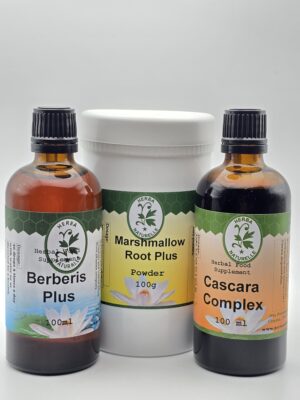 Digestive reset bundle
Original price was: £151.65.£144.95Current price is: £144.95.
Digestive reset bundle
Original price was: £151.65.£144.95Current price is: £144.95.
-
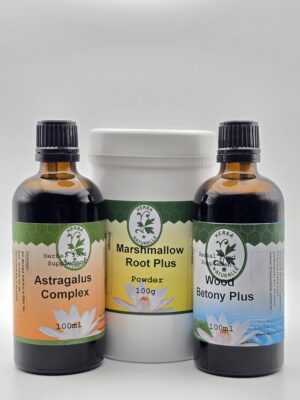 Smooth muscle and immune reset Bundle
Original price was: £177.60.£159.95Current price is: £159.95.
Smooth muscle and immune reset Bundle
Original price was: £177.60.£159.95Current price is: £159.95.
-
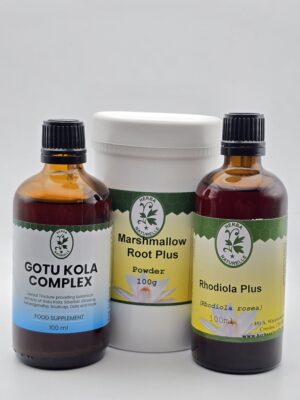 Nervous System Reset
Original price was: £163.68.£149.95Current price is: £149.95.
Nervous System Reset
Original price was: £163.68.£149.95Current price is: £149.95.
-
 Gotu Kola Complex
£26.95
Gotu Kola Complex
£26.95

About the Author

Holistic Herbalist in UK · 30 Years of Excellence at Croydon, GB
Angela Jegnathan brings over 30 years of experience in integrated medicine and more than 25 years of full-time clinical herbal practice. Specializing in holistic herbal medicine, she focuses on restoring digestive health, calming the nervous system, and supporting the body's natural inflammatory response through evidence-based, patient-centered care.
Expertise: Holistic Herbs, Natural Medicines, Herbal Health
30 years of experience
