
Raspberry Leaf (Rubus idaeus): Britain’s Best-Known Pregnancy Herb
Raspberry Leaf — Rubus idaeus — is undoubtedly the most widely recognised herb for pregnancy support in the UK, with a cultural familiarity that extends well beyond herbal medicine circles into mainstream antenatal advice. Generations of British women have been told by mothers, midwives, and antenatal classes to drink Raspberry Leaf tea in the final weeks of pregnancy to “tone the uterus” in preparation for labour — a traditional use that has been examined, though not definitively proven, by modern clinical research, alongside its broader and equally important applications in general menstrual and uterine health.
At Herba Naturalle, Raspberry Leaf is listed in the comprehensive herb index as a primary female reproductive tonic — complementary to the Shatavari Complex and directly relevant to Stop the Inflammation Pandemic: Inflammation in the Female Reproductive System.
Active Compounds
- Tannins (ellagitannins) — the primary astringent compounds; tone the uterine smooth muscle lining and provide mild haemostatic action
- Fragarine — a compound traditionally credited with the specific uterine-toning effect, though modern phytochemical characterisation continues to refine understanding of this constituent
- Flavonoids — quercetin and related compounds; anti-inflammatory and antioxidant
- Vitamins and minerals — vitamin C, B vitamins, calcium, magnesium, iron — making the leaf nutritively supportive as well as pharmacologically active
Clinical Applications
Late Pregnancy Preparation
The most well-known traditional application. Raspberry Leaf is widely used from around 32–34 weeks of pregnancy as a uterine tonic, believed to tone (not stimulate) the uterine muscle in preparation for labour, potentially supporting more efficient contractions. Clinical research findings are mixed — some studies suggest modest reductions in length of second-stage labour, while others show no significant effect on labour outcomes. It is not used to induce labour, and importantly does not appear to start labour early in research that has examined this question — its action is understood as toning rather than stimulating.
Heavy and Painful Periods
Beyond pregnancy, Raspberry Leaf’s astringent tannin content provides genuine toning benefit for menorrhagia (heavy periods) and dysmenorrhoea (painful periods) — reducing excessive blood flow and easing uterine cramping through its toning action on the smooth muscle lining.
General Uterine Tonic
Used as a long-term tonic for general uterine health, particularly where there is a history of irregular, heavy, or painful periods, or uterine prolapse tendency.
Diarrhoea
The tannin content provides a secondary astringent action useful for mild diarrhoea, sharing this property with other tannin-rich leaves.
Relevant Blog Posts
- Stop the Inflammation Pandemic: Inflammation in the Female Reproductive System
- Stop the Inflammation Pandemic: The Digestive System (Part 1)
- Stop the Inflammation Pandemic – The Lymphatic System
- Inflammation in Muscles and Joints: The Hidden Link to Autoimmunity
- Welcome to the Final Episode of the Inflammation Pandemic Series
How to Use
- Tea: 2–4g dried leaf steeped 10 minutes; 2–3 cups daily, generally introduced from around 32 weeks in pregnancy with midwife guidance
- Tincture (1:3): 3–5ml three times daily for non-pregnancy uterine toning
Safety
- Early pregnancy: Avoid before 32 weeks — most midwifery guidance recommends waiting until the third trimester due to theoretical uterine-stimulating considerations, despite limited evidence of harm
- Always discuss with your midwife or obstetrician before use in pregnancy
- History of preterm labour, placenta praevia, or other pregnancy complications: Avoid; discuss individually with your maternity team
- Generally very safe outside of pregnancy at standard doses
Contact Herba Naturalle for female reproductive herbal support. Browse all products and the full herb index.
This article is for informational purposes only. Always discuss the use of Raspberry Leaf with your midwife or GP before use in pregnancy.
Our Trending Products & Bundles
-
 Digestive reset bundle
Original price was: £151.65.£144.95Current price is: £144.95.
Digestive reset bundle
Original price was: £151.65.£144.95Current price is: £144.95.
-
 Smooth muscle and immune reset Bundle
Original price was: £177.60.£159.95Current price is: £159.95.
Smooth muscle and immune reset Bundle
Original price was: £177.60.£159.95Current price is: £159.95.
-
 Nervous System Reset
Original price was: £163.68.£149.95Current price is: £149.95.
Nervous System Reset
Original price was: £163.68.£149.95Current price is: £149.95.
-
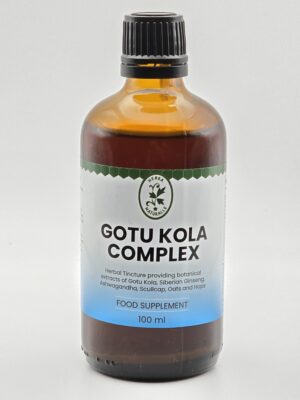 Gotu Kola Complex
£26.95
Gotu Kola Complex
£26.95


About the Author

Holistic Herbalist in UK · 30 Years of Excellence at Croydon, GB
Angela Jegnathan brings over 30 years of experience in integrated medicine and more than 25 years of full-time clinical herbal practice. Specializing in holistic herbal medicine, she focuses on restoring digestive health, calming the nervous system, and supporting the body's natural inflammatory response through evidence-based, patient-centered care.
Expertise: Holistic Herbs, Natural Medicines, Herbal Health
30 years of experience
